
The island of a thousand pianos: Gulangyu’s strange music
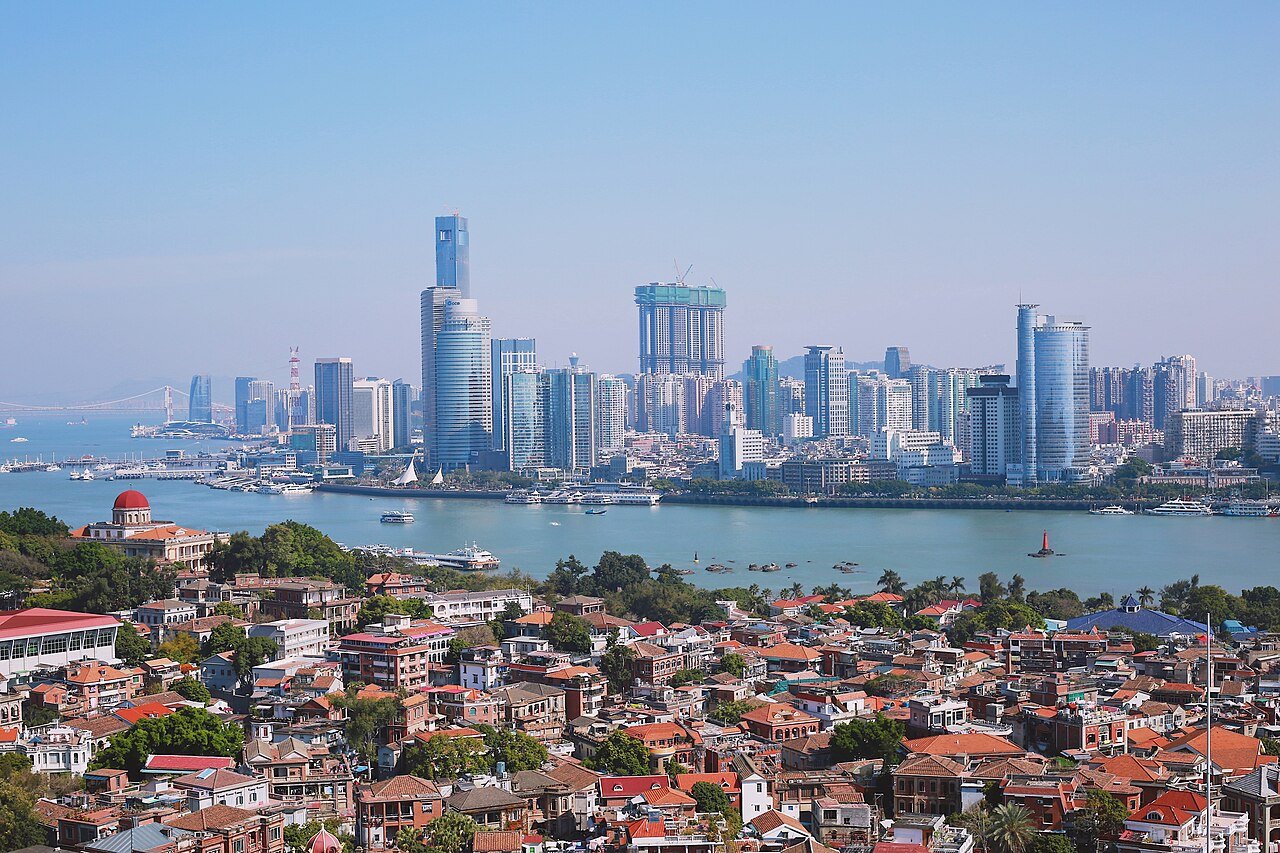
Gulangyu — “Drum Wave Island” in Chinese — is a small island (1.88 km²) separated from Xiamen by a 700-metre strait. In the late 19th century, it became an international settlement where thirteen foreign powers maintained consulates, churches, hospitals, and schools. The result was one of the most architecturally eclectic communities in Asia, where Chinese merchants, European diplomats, American missionaries, and Japanese traders lived in close proximity — and where a passion for Western classical music took root so deep that the island once had more pianos per capita than anywhere else in China.
UNESCO inscription: a microcosm of globalisation
Inscribed in 2017, Gulangyu was recognised as an outstanding example of the cultural exchange that occurred during the era of global trade in the 19th and early 20th centuries. UNESCO noted the island’s “multicultural” built heritage — a fusion of Chinese, European, and locally invented “Amoy Deco” architectural styles — as evidence of how global commerce shaped local culture and identity.
The International Settlement: thirteen flags on a small island
The International Settlement was established in 1903 following the First Sino-Japanese War. By the 1920s, the island was home to consulates of the United Kingdom, United States, Germany, France, Japan, Spain, Portugal, the Netherlands, Denmark, Sweden, Norway, Belgium, and Austria. Each built in the style of its homeland, creating a streetscape that reads like an architectural atlas of early 20th-century global ambition.
Amoy Deco: a new style born on the island
As Gulangyu prospered, wealthy Hokkien Chinese merchants — many returning from Southeast Asia — began building in a distinctive hybrid style that scholars now call “Amoy Deco” (after the old Portuguese name for Xiamen). This style combines the rational facade of European Neoclassicism with Chinese decorative motifs, tropical ventilation strategies, and local stone. Over 900 historic buildings survive on the island.
Music, missionaries, and education
The island’s musical culture was introduced by Protestant missionaries who installed organs in their churches and taught music in their schools. By the 1920s, the Gulangyu Piano School was producing professional musicians, and dozens of concert halls and practice rooms dotted the island. The Gulangyu Piano Museum, opened in 2000, houses a collection of 100 historic pianos from 30 countries.
Walking the lanes: churches, consulates, and banyans
Gulangyu is car-free (electric carts excepted) and best explored on foot. The lanes between the historic buildings are shaded by ancient banyan trees; the former British, American, and Japanese consulates stand within metres of Chinese merchant villas; a 1920s cinema shares a lane with a Methodist church built in 1898. The density of history in each block is extraordinary.
From settlement to theme park: conservation challenges
Since UNESCO inscription, Gulangyu has experienced a dramatic increase in tourism — up to 30,000 visitors per day on summer weekends. The influx has driven out most permanent residents, transformed many historic buildings into cafés and souvenir shops, and created conservation pressures on a fragile built fabric. The challenge now is to maintain the island’s character as a living community rather than a heritage theme park.
Visiting Gulangyu today
Gulangyu is reached by ferry from Xiamen’s Gongbei ferry terminal (10 minutes; ferry runs 24 hours). The island can be toured in a half-day, but rewards a full day. The Piano Museum, the Sunlight Rock viewpoint, and the former settlement streets around Longtou Road are the principal attractions. Entry to the island is free; major museums charge separate fees. Accommodation on the island ranges from boutique hotels in former consular buildings to family-run guesthouses.
Find it on the map
See this place and what’s around it →📷 Become a Cultural Heritage Online photographer
Share your photos of places: they stay published under your name as the author. The more they're seen, the more you get noticed — and soon a contest will reward the most appreciated photos.
Log in or sign up free to add a photo