
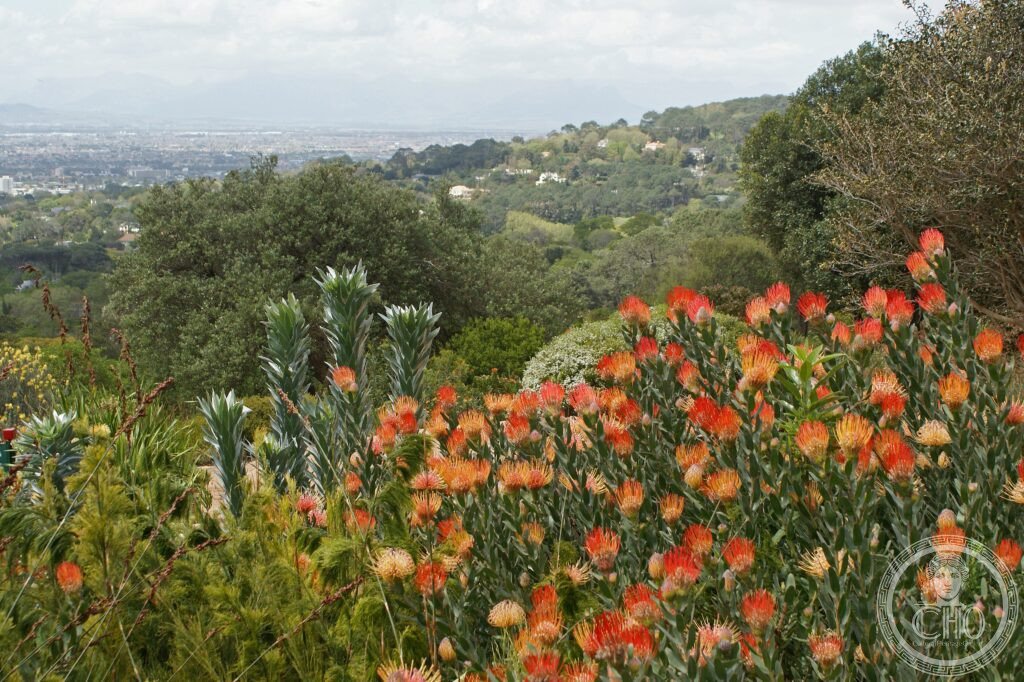
Cape Floral Region Protected Areas
The world’s most species-rich biome for its size and one of the most extraordinary concentrations of plant life on Earth — the Cape Floral Region (the Cape Floristic Region; Western Cape Province, South Africa; approximately 90,000 km²) is one of only six recognized floral kingdoms in the world, despite being the smallest; its extraordinary plant diversity — approximately 9,000 species of plant in an area the size of Portugal, of which 70% are found nowhere else on Earth — exceeds the plant diversity per km² of the Amazon rainforest.
At a glance
Cape Floral Region (the most precisely Cape single 9000 plant species 70% endemic fynbos biome 6th floral kingdom world smallest most diverse Amazon comparison UNESCO heritage: the Cape Floral Region (the CFR) is formally recognized as one of the world’s six floral kingdoms (the six globally recognized phytochoria — areas with distinctive enough plant flora to be recognized as separate kingdoms: the Boreal Kingdom, the Paleotropical Kingdom, the Neotropical Kingdom, the Australian Kingdom, the Antarctic Kingdom, and the Cape Floral Kingdom); the CFR is the only floral kingdom that fits within a single country and is by far the smallest; the concentration of diversity: 9,000 species of plant in 90,000 km² — compared to approximately 10,000-12,000 plant species in the entire European continent (10,000,000 km²); the CFR has approximately 100 times more plant species per unit area than Europe; the dominant vegetation type of the CFR is fynbos (pronounced FAYN-boss; Afrikaans: “fine bush”) — the characteristic low shrubland of the Cape (small-leaved, fire-adapted shrubs dominated by Proteas, Ericas (heathers), and Restios (reeds)); the fynbos biome covers approximately 80,000 km² of the CFR and contains approximately 8,600 of the 9,000 CFR plant species — the most precisely Cape single 9000 plant species 70% endemic fynbos biome 6th floral kingdom world smallest most diverse Amazon comparison UNESCO heritage in any UNESCO world heritage site)).
Key facts
- The Protea Diversity: the most precisely Cape single 330 Protea species King Protea national flower 66 Erica species endemic Restio 650 species fire-adapted resurrection fynbos heritage — the three characteristic plant families of fynbos (the botanical definition of fynbos requires the presence of all three): Proteaceae (the Protea family; 330 species in the CFR; the King Protea (Protea cynaroides — South Africa’s national flower; the largest flower head of any Protea; the pink and cream bracts that surround the flower head; the ancient and slow-growing plant; some individuals are 100+ years old)); Ericaceae (the heather family; approximately 660 species of Erica in the CFR — more than the 800 Erica species found in the rest of the world combined; the finest display is in August-September (the fynbos spring)); Restionaceae (the restio reed family; the ground-layer plants of the fynbos; approximately 350 species in the CFR)
- Fire as Ecology: the most precisely Cape single fynbos fire ecology 8-25 year cycle serotiny Table Mountain fire management prescribed burn nutrient cycling heritage — fynbos is fire-dependent: the Cape Fold Mountains receive sufficient summer lightning and wind-driven natural fires to burn every 8-25 years; fynbos plants have evolved with fire: many Protea species are serotinous (their cones remain sealed on the plant until fire opens them; fire kills the parent plant but releases the seeds into the newly cleared, ash-fertilized soil); other species have underground storage organs (rhizomes, bulbs) that survive the fire and regenerate from the roots; the Erica shrubs regenerate vigorously from root crowns after fire; without fire, fynbos is invaded by woody alien species (Australian acacias and other invasives) which outcompete the native fynbos; fire management (prescribed burning) is the key tool in protecting fynbos biodiversity
- GPS: 33.9600° S, 18.4300° E
History
Botanical discovery and conservation (the most precisely Cape single 1652 VOC Dutch settlement botanical garden Kirstenbosch 1913 Bolus Jan van Riebeeck herbarium Linnaeus fynbos endemic global recognition UNESCO heritage: the botanical richness of the Cape was recognized almost from the first European contact: the Dutch settlement at the Cape of Good Hope (1652 CE; Jan van Riebeeck and the Dutch East India Company (VOC)); the VOC established a garden for growing vegetables for ships (the precursor of the Kirstenbosch Botanical Garden (the current Kirstenbosch National Botanical Garden; 1913 CE; 528 hectares at the foot of Table Mountain; the most visited botanical garden in Africa)); European botanists immediately recognized the extraordinary diversity: Carl Linnaeus (the Swedish botanist who devised the modern system of biological nomenclature) described dozens of Cape plant species in the 18th century CE; the Kew Gardens (London) sent plant collectors to the Cape throughout the 18th-19th century CE; the Bolus Herbarium at the University of Cape Town (founded 1865 CE by Harry Bolus; the most important herbarium for Cape flora; named after him) remains the world centre for Cape plant taxonomy — the most precisely Cape single 1652 VOC Dutch settlement botanical garden Kirstenbosch 1913 Bolus Jan van Riebeeck herbarium Linnaeus fynbos endemic global recognition UNESCO heritage in any UNESCO world heritage site)).
What you see
Sites and experience (the most precisely Cape single Table Mountain Cape Point Cape Peninsular Kirstenbosch wine Winelands Overberg Hermanus whale whale watching heritage: the UNESCO inscription covers 8 separate protected areas within the Cape Floristic Region; the most accessible from Cape Town: Table Mountain National Park (the iconic flat-topped mountain; the cable car (30 min; spectacular views of Cape Town and the Atlantic); the hiking trails on the plateau (2-3 hours; the prolific fynbos in season); the Cape Floral spring (August-October: the best wildflower season on Table Mountain; Erica and Protea in full bloom); Cape Point (the extreme southwestern tip of the African continent; the lighthouse; the baboon troops; the two-ocean view); the Kirstenbosch National Botanical Garden (the most accessible introduction to fynbos diversity; the collection of 7,000 indigenous plant species; the Tree Canopy Walkway; the Sunday summer concerts in the garden below Table Mountain) — the most precisely Cape single Table Mountain Cape Point Cape Peninsular Kirstenbosch wine Winelands Overberg Hermanus whale whale watching heritage in any UNESCO world heritage site)).
Practical information
- Getting there: Cape Town International Airport (CPT; major international hub; direct flights from London, Frankfurt, Amsterdam, Dubai, Doha, and many African cities; British Airways, Lufthansa, Emirates, Qatar Airways, Kenya Airways, South African Airways); the Cape Town CBD is 20 km from the airport (20-30 min by hire car (Uber reliable from the airport) or the MyCiTi BRT bus service (airport-to-city R117; 1h)); the Table Mountain Aerial Cableway (Lower Cable Station on Tafelberg Road; the cable car operates weather permitting (the cloud on the table — the “tablecloth” fog — sometimes closes the cable car for days at a time in summer; check the webcam before travelling)); the Cape Point bus (the City Sightseeing hop-on-hop-off bus connects Cape Town CBD to the Kirstenbosch and Cape Point); the best months for fynbos flowering: August-October (late winter-early spring in the Southern Hemisphere; the wildflower season)
Getting there
Cape Town (CPT) international hub. Table Mountain cable car (weather permitting). Kirstenbosch open daily. Best August-October (wildflower season). GPS: -33.9600, 18.4300.
Nearby
- Hermanus — 120 km southeast; the whale-watching capital of the world (Southern right whale (Eubalaena australis) viewing from the cliff path above the harbor; the whales enter Walker Bay in June-November to breed and calve; a whale crier (the official town crier who walks the seafront ringing a kelp-horn to announce whale sightings) is the most unusual tourist guide in South Africa; the Walker Bay cliffs offer the best land-based whale watching in the world; some 200-300 whales use the bay each season)
- Namaqualand (August-September) — 700 km north; the most spectacular wildflower event in Africa (the Namaqualand flower season: August-September, following winter rains; the semi-desert of the Northern Cape transforms into a carpet of orange, yellow, and white daisies (Dimorphotheca sinuata, Arctotis, and others)); the Biedouw Valley; the Postberg Section of the West Coast National Park (the most accessible display point))
Sources
- Wikipedia, Cape Floral Region; Fynbos; Proteaceae, accessed June 2026
- UNESCO, Cape Floral Region Protected Areas, WHS reference 1007, inscribed 2004
Find it on the map
See this place and what’s around it →📷 Diventa un fotografo di Cultural Heritage Online
Condividi le tue foto dei luoghi: restano pubblicate con la tua firma come autore. Più vengono viste, più ti fai conoscere — e presto un concorso premierà le foto più apprezzate.
Accedi o registrati gratis per aggiungere una foto