
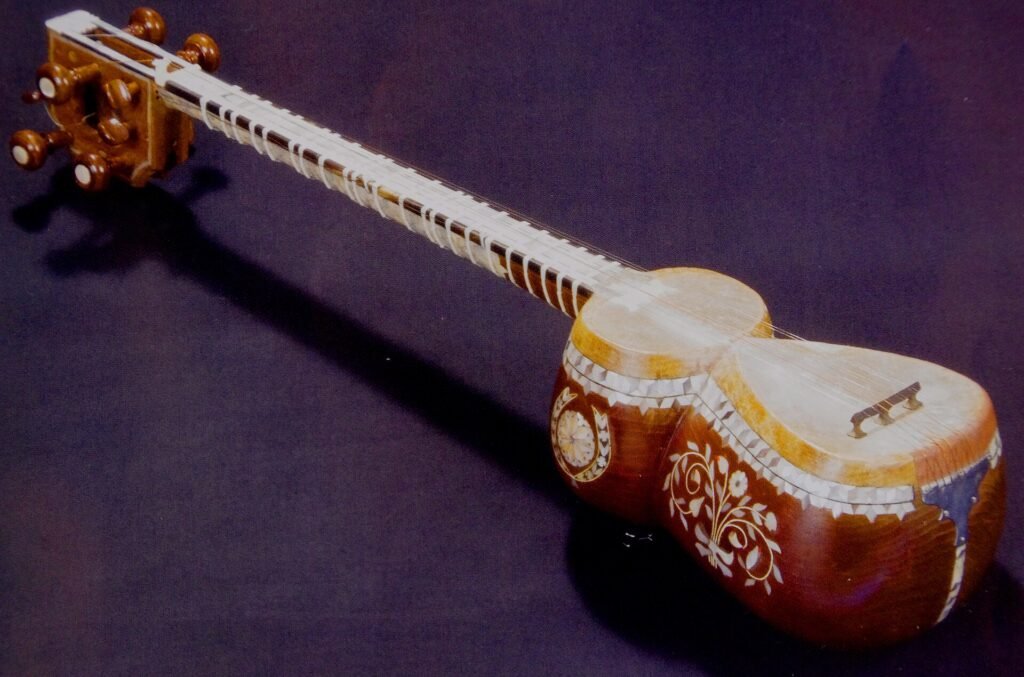
Azerbaijani Tar Craftsmanship
A long-necked plucked lute whose making and playing are inseparable arts, the tar embodies Azerbaijani musical tradition and identity across generations and communities.
At a glance
The tar is a long-necked lute with a distinctive doubled body, traditionally handcrafted and played in Azerbaijan. It functions as a solo instrument and accompanies other instruments in traditional ensembles. Both the craft of building the tar and the skill of performing it are recognized as central to Azerbaijani cultural life.
Origins & history
The Azerbaijani tar was developed from the Persian tar, adapting and evolving within Azerbaijani musical traditions. The instrument and its performance practice have shaped the cultural identity of Azerbaijani communities for centuries. In 2012, UNESCO recognized the craftsmanship and performance art of the tar as Intangible Cultural Heritage, acknowledging its role in transmitting knowledge, aesthetics, and social values across generations.
The practice
The tar is a long-necked, plucked lute traditionally built by hand using selected woods and materials. Craftspeople shape the distinctive doubled body—resonance chambers connected by a slender neck—and attach strings for plucking. Performers use fingertip techniques to produce the instrument’s warm, expressive tones, which range from percussive attacks to sustained melodic passages. The tar is heard alone in intimate settings and integrated into larger traditional ensembles, adapting to various regional musical styles throughout Azerbaijan.
Cultural significance
Many Azerbaijanis regard the tar as their leading musical instrument. The knowledge required to craft and play it passes from master to apprentice, embedding cultural memory and aesthetic values in living practice. Performance of the tar marks celebrations, rituals, and gatherings, while its craftsmanship preserves traditional woodworking and design knowledge. The instrument remains a symbol of Azerbaijani identity and artistic heritage.
Key facts
- Long-necked plucked lute with doubled body chambers
- Traditionally handcrafted using wood and other materials
- Performed solo or with other instruments in ensembles
- UNESCO Intangible Cultural Heritage, 2012 (Reference 00671)
- Anchor community: Baku, Azerbaijan
- Shared cultural practice across communities throughout Azerbaijan
Where to experience it
Baku and communities throughout Azerbaijan remain the heartland of tar craftsmanship and performance. Seek out traditional music venues, cultural centers, and local musicians in Baku to encounter the tar in performance and learn about its making.
Sources & resources
Find it on the map
See this place and what’s around it →📷 Diventa un fotografo di Cultural Heritage Online
Condividi le tue foto dei luoghi: restano pubblicate con la tua firma come autore. Più vengono viste, più ti fai conoscere — e presto un concorso premierà le foto più apprezzate.
Accedi o registrati gratis per aggiungere una foto