
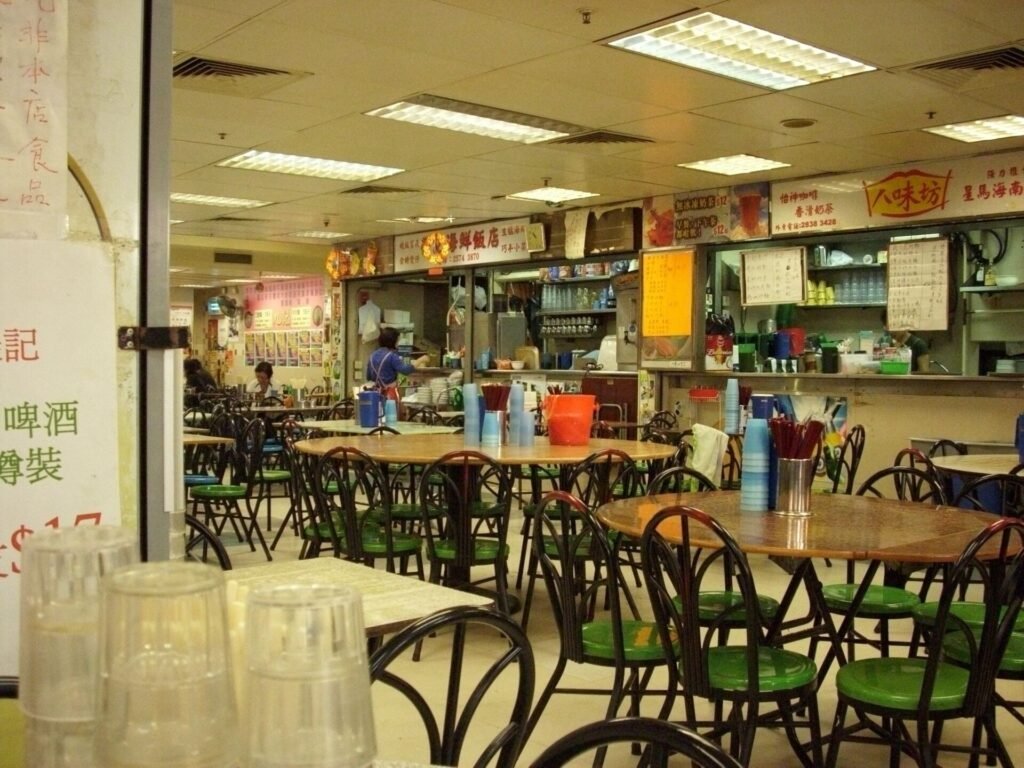
In Singapore’s hawker centres, vendors and diners converge in open-air complexes to share affordable meals, recipes, and stories across cultures. This everyday dining practice—rooted in street food tradition—binds a multicultural city through taste and community.
In UNESCO’s words
Hawker culture in Singapore: community dining and culinary practices in a multicultural urban context is present throughout Singapore. Hawkers prepare a variety of food (‘hawker food’) for people who dine and mingle at hawker centres. These centres serve as ‘community dining rooms’ where people from diverse backgrounds gather and share the experience of dining over breakfast, lunch and dinner. Activities such as chess-playing, busking and art-jamming also take place. Evolved from street food culture, hawker centres have become markers of Singapore as a multicultural city-state, comprising Chinese, Malay, Indian and other cultures. Hawkers take inspiration from the confluence of these cultures, adapting dishes to local tastes and contexts. Today, hawker centres across Singapore continue serving the needs of diverse communities in residential, recreational and work districts. Some of the oldest hawkers started their practice in the 1960s. Many specialize in a particular dish, refined over many years, and transmit their recipes, knowledge and skills to younger family members or apprentices. Community organizations, non-governmental organizations and educational institutions play a significant role in promoting and sustaining hawker culture through training programmes, events and documentation projects. As a social space that embraces people from diverse socioeconomic backgrounds, hawker centres play a crucial role in enhancing community interactions and strengthening the social fabric.
Official description, UNESCO Intangible Cultural Heritage List — Hawker culture in Singapore, community dining and culinary practices in a multicultural urban context
At a glance
Hawker centres are community dining spaces where vendors prepare food for people from diverse backgrounds to eat together at shared tables. These centres operate throughout Singapore in residential, recreational and work districts, serving breakfast, lunch and dinner. Beyond dining, activities such as chess-playing, busking and art-jamming happen in these spaces. The centres evolved from street food culture and have become markers of Singapore's multicultural identity, bringing together Chinese, Malay, Indian and other communities.
Origins & history
Hawker centres grew out of Singapore's street food culture. The oldest hawkers began their practice in the 1960s. As the city developed, informal street vendors were organized into managed hawker centres, which preserved their livelihoods while creating regulated spaces for food preparation and communal dining.
The practice
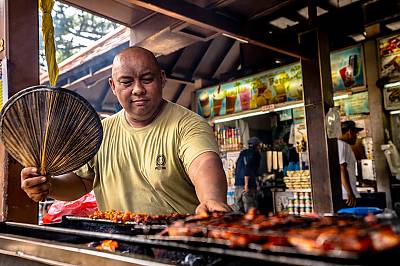
Vendors at hawker centres specialize in particular dishes, using equipment like woks and grills to prepare food to order. Diners move between stalls to choose from multiple cuisines, then gather at communal tables to eat and mingle. Many hawkers have refined their dishes over many years and pass their recipes, knowledge and skills to younger family members or apprentices. The food reflects Singapore's multicultural heritage, with vendors adapting dishes to local tastes and drawing inspiration from the confluence of different cultures.
Cultural significance
Hawker centres serve as crucial social spaces where people from diverse socioeconomic backgrounds gather and strengthen community bonds. They play an essential role in preserving culinary knowledge and transmitting recipes across generations. Community organizations, non-governmental organizations and educational institutions support hawker culture through training programmes, events and documentation projects. The centres remain vital to enhancing community interactions and sustaining the social fabric across Singapore.
Key facts
- Country: Singapore
- Inscribed: 2020
- UNESCO list: Representative List of the Intangible Cultural Heritage of Humanity
- UNESCO reference: 01568
- UNESCO vocabulary: Food preparation; Multiculturalism; Urban spaces
- Map: Singapore — the locality named in UNESCO’s official description of this element
- Related World Heritage site: Singapore Botanic Gardens (a different UNESCO designation, not the place of the tradition)
Where to experience it
Hawker centres operate throughout Singapore in residential, recreational and work districts, serving as community dining rooms where people from diverse backgrounds gather to eat and socialise. Visitors can experience the culture by visiting any hawker centre during mealtimes, trying dishes from multiple stalls, and observing the spontaneous interactions that unfold around shared tables. Beyond dining, these centres host activities such as chess-playing, busking and art-jamming. Some hawkers have refined their specialities over decades since the 1960s and continue passing their recipes and techniques to younger family members or apprentices, making each centre a living archive of Singapore's multicultural culinary heritage.
Sources & resources
- UNESCO — official element page: Hawker culture in Singapore, community dining and culinary practices in a multicultural urban context
- UNESCO — open data record: Intangible Heritage List, reference 01568
- UNESCO — official video: UNESCO film on this element — embedded on this page
- UNESCO — official photograph: A Malay hawker prepares satay (seasoned and skewered meat grilled over hot charcoal) — Mohamad Hafiz, contestant of #OurHawkerCulture photography contest 2019, Singapore, 2019
- Reference — Wikipedia (secondary): Hawker centre — consulted as a secondary reference, not as confirmation
- Cultural Heritage Online: Our archive and city guides
Find it on the map
See this place and what’s around it →📷 Become a Cultural Heritage Online photographer
Share your photos of places: they stay published under your name as the author. The more they're seen, the more you get noticed — and soon a contest will reward the most appreciated photos.
Log in or sign up free to add a photo