
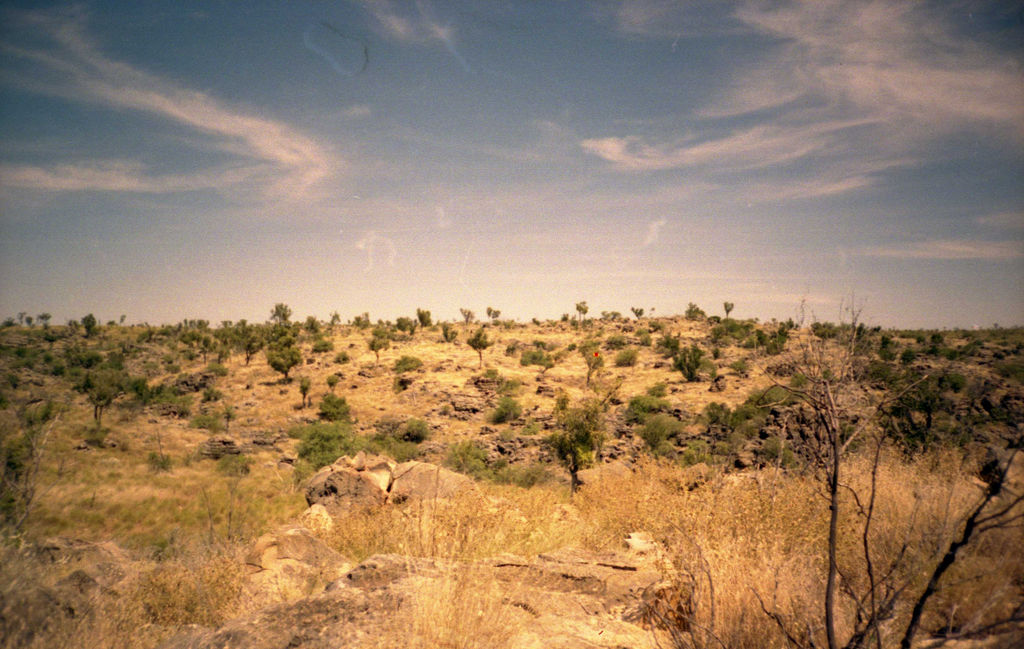
Two of the world’s greatest fossil repositories, Riversleigh in Queensland and Naracoorte in South Australia preserve millions of years of mammalian evolution and the adaptive history of Australia’s iconic marsupials.
At a glance
This combined UNESCO World Heritage listing encompasses two separate paleontological sites celebrated for the exceptional diversity, quality, and preservation of their Cenozoic-era fossils. Together they form a geological record spanning the last 20 million years of Australian mammal development.
History
Riversleigh, located in Queensland’s remote northwest, and Naracoorte, situated in South Australia’s limestone country, were jointly inscribed on the UNESCO World Heritage List in 1994. The sites were added to Australia’s National Heritage List on 21 May 2007, recognizing their collective significance to the nation’s natural heritage.
What you see
At both locations, extensive fossil-bearing deposits reveal the skeletal remains of extinct and extant species preserved in rock and sediment. The sites showcase the physical evidence of mammalian evolution: teeth, bones, and skulls that document adaptation across geological time. Naracoorte features cave systems where fossils accumulate in distinct layers, while Riversleigh’s deposits span open limestone formations.
Cultural significance
These sites rank among the world’s ten greatest fossil repositories. They provide unparalleled insight into how Australian marsupials evolved and survived climate fluctuations over 170,000 years—a living record of nature’s response to environmental change. The fossils illuminate Australia’s unique mammalian lineage and its divergence from other continents.
Key facts
- UNESCO World Heritage Site, inscribed 1994
- Two locations: Riversleigh (Queensland) and Naracoorte (South Australia)
- Fossils span the last 20 million years
- Documents marsupial adaptation over 170,000 years
- Cenozoic-era deposits
Practical information & getting there
Riversleigh is accessible from Townsville, Queensland; Naracoorte is near the Victoria border in South Australia. Both sites require advance planning for guided tours. Contact local tourism offices for current access, hours, and conservation guidelines.
Sources & resources
Find it on the map
See this place and what’s around it →📷 Become a Cultural Heritage Online photographer
Share your photos of places: they stay published under your name as the author. The more they're seen, the more you get noticed — and soon a contest will reward the most appreciated photos.
Log in or sign up free to add a photo