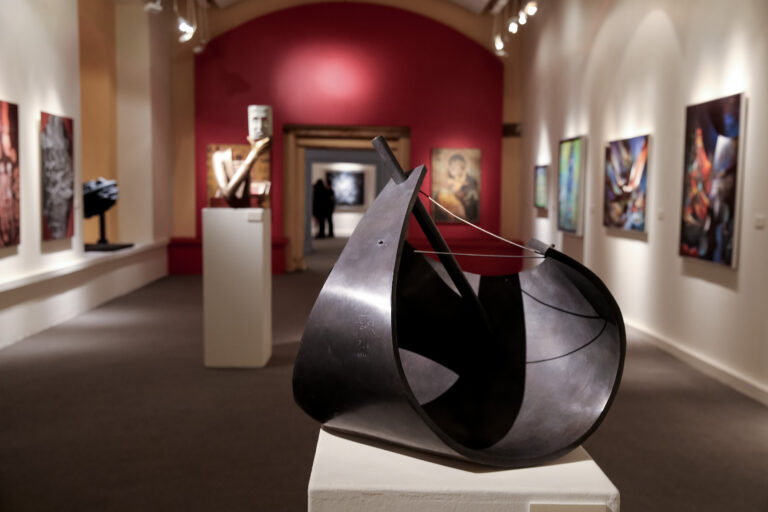
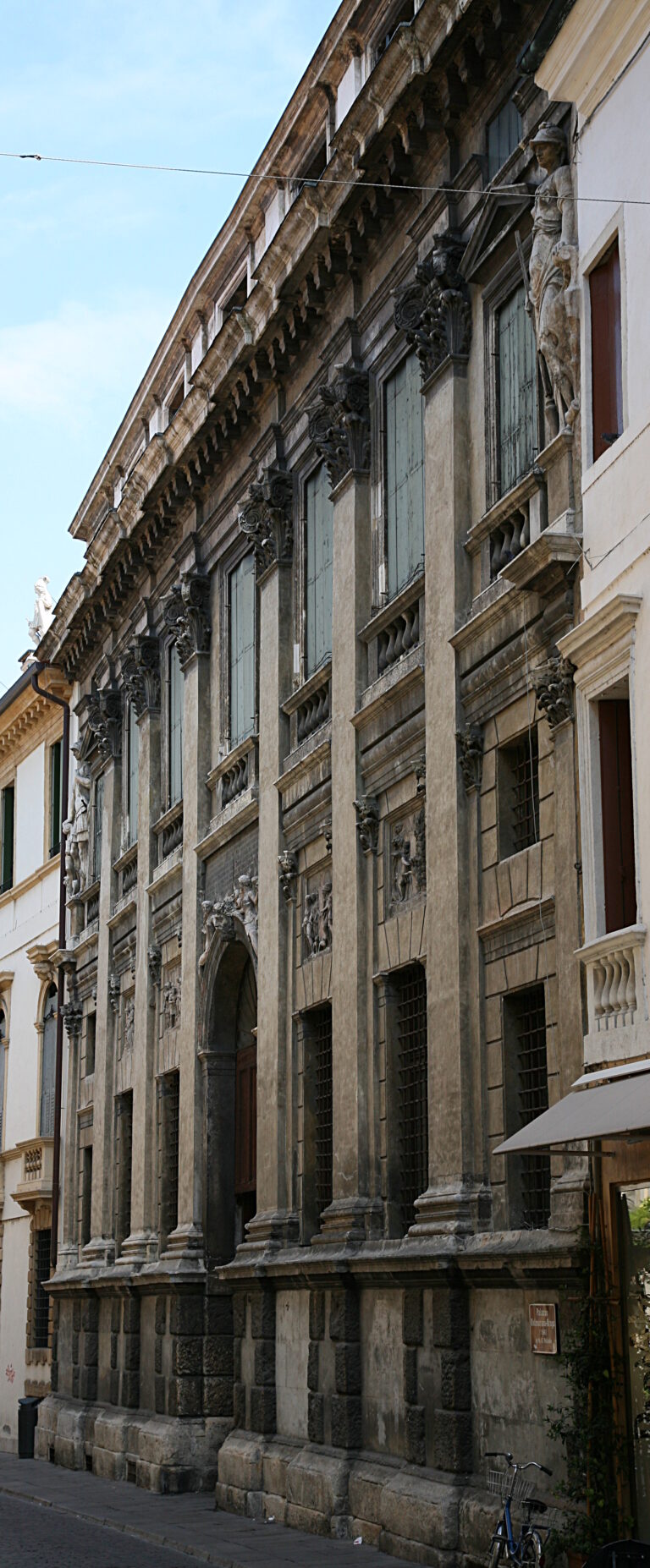
Germany runs the largest cultural event in the country on a single September Sunday. The Tag des offenen Denkmals, the open-monuments day, falls on 13 September 2026, with Berlin opening across the weekend of 12–13, and lets the public into thousands of buildings that are normally shut. This route threads ten heritage cities into one September loop, west to east from the Rhine to the Spree, and every stop on it is a UNESCO World Heritage Site. It exists as a curated itinerary with GPX and KML downloads, and it pairs with our European Heritage Days country guide.
Why Germany in September?
Because the monuments open and the country is easy to cross. Germany’s heritage is spread evenly rather than piled into one capital, and its fast, dense rail network turns that into an advantage: you can string ten World Heritage cities from the Rhineland to Berlin into a single week. The September open day adds the interiors that stay closed the rest of the year. Aim to be in a cathedral city for the Sunday itself, and let the trains carry you east through the week.
The Rhineland and the west
Begin under the twin spires of Cologne Cathedral, six centuries in the building, from 1248 to 1880, and UNESCO-listed in 1996. South-west, Aachen holds Charlemagne’s Palatine Chapel, the first monument in Germany placed on the list, back in 1978. Trier, the oldest city in the country, keeps the fullest set of Roman monuments north of the Alps, the Porta Nigra among them (UNESCO 1986). At Speyer, the imperial cathedral is the largest Romanesque church still standing, the burial place of eight German emperors (UNESCO 1981).
Franconia and Thuringia
Turn east into wine country. The Würzburg Residence, built for the prince-bishops between 1720 and 1744, carries Tiepolo’s ceiling over the grandest baroque staircase in Europe (UNESCO 1981). Bamberg spreads a thousand-year town across seven hills, its medieval and baroque streets untouched by the war (UNESCO 1993). Above Eisenach, the Wartburg is the castle where Luther, in hiding, translated the New Testament into German (UNESCO 1999). And Weimar was the small court that held Goethe and Schiller and gave the age its name (UNESCO 1998).
The east: Dessau and Berlin
The last leg is modern. At Dessau, Gropius built the Bauhaus its own home in 1926, the glass-walled school that redrew twentieth-century design (UNESCO 1996). Finish in Berlin on the Museum Island, five museums raised between 1830 and 1930 on a single island in the Spree, from the Pergamon to the bust of Nefertiti (UNESCO 1999). Half an hour south-west by train, the palaces and parks of Potsdam, Frederick the Great’s rococo Sanssouci among them, make an easy final day and a UNESCO ensemble in their own right (1990).
The route as an itinerary
The full route lives as a curated itinerary, with an interactive map, a play-through of the stops, and GPX/KML downloads for your own navigator:
Open it as a page at A September Week in Germany: Ten Heritage Cities, or see the stops in context on the interactive heritage map. It joins our September routes through France, Italy and England.
Frequently Asked Questions
How many days does this German route need?
Seven at a steady pace: two for the Rhineland cathedrals, two for Franconia and the Wartburg, one for Weimar, and two for Dessau and Berlin. With ten days you slow the wine country and give Berlin the time its museums need.
Can you do it by train?
Almost entirely. ICE lines link Cologne, Würzburg, Weimar and Berlin directly, and regional trains reach Aachen, Trier, Speyer, Bamberg, Eisenach and Dessau. Only the Wartburg asks for a short climb or shuttle from Eisenach station. The GPX covers the drive either way.
When is the German open-monuments day in 2026?
On Sunday 13 September 2026, as the Tag des offenen Denkmals, with Berlin running its own programme across 12–13 September. The national coordinator publishes the list of participating monuments through the summer.
Sources
- S1 — Fulbrook, Mary. A History of Germany 1918–2014: The Divided Nation. Wiley-Blackwell, 2014. ISBN 978-1-118-77614-8.
- S2 — Blackbourn, David. The Long Nineteenth Century: A History of Germany, 1780–1918. Oxford University Press, 1998. ISBN 978-0-19-507672-1.
Spotted an error? Write to editorial@culturalheritageonline.com and we correct it the same day.