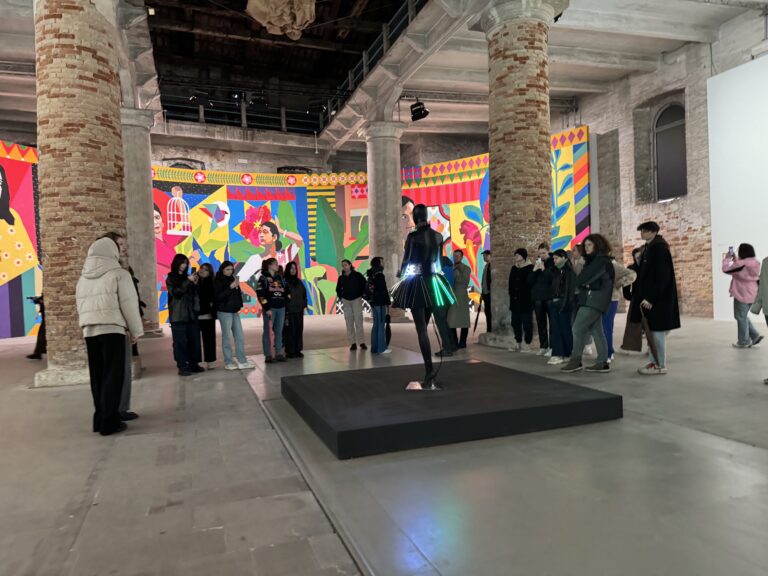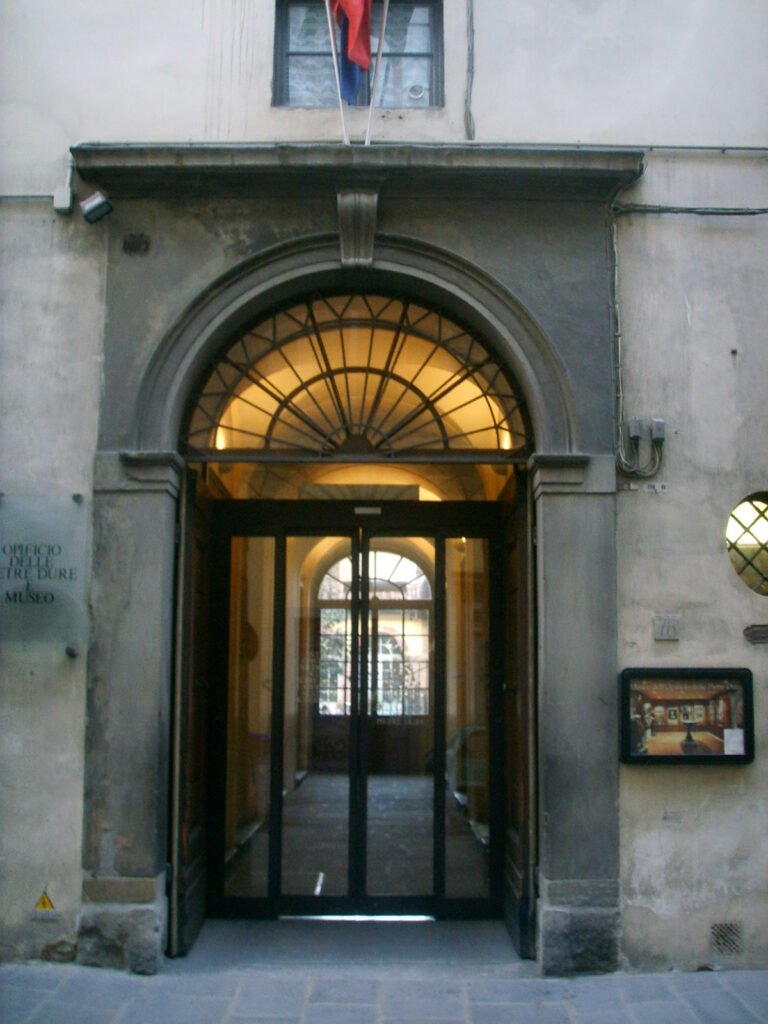
A cultural event listing gets noticed when the first two lines state what happens, when, where, and why it is worth attending — clearly, with no jargon, and with a credited image. The rest of the text fills in detail for people who are already interested. Here is the complete method. From Cultural Heritage Online.
The five essentials every listing needs
- What. One sentence: what is happening, in plain language. Not “an unmissable cultural experience” but “a guided evening tour of three rooms normally closed to the public, focused on the 1920s restoration campaign.”
- When. Date, start time, end time, and whether booking is needed. If it is a series, list the dates. A vague “throughout June” loses bookings.
- Where. Full address, plus a map link or GPS coordinates for venues that are hard to find. Heritage sites are often in unmarked courtyards or on secondary streets.
- Why. What makes this event worth attending that a visitor cannot get elsewhere. A unique collection, a single performance, access to a normally closed space, a specialist guide — name the specific reason.
- Image. A credited, high-resolution photograph of the venue or the subject of the event. Listings with images receive two to three times more clicks in catalogue environments than listings without.
What to cut
Superlatives and marketing language slow readers down and signal that the content is promotional rather than useful. Cut “unmissable,” “unique opportunity,” “join us for a special evening,” and “not to be missed.” Every word saved before the booking link increases the chance that the reader reaches it. The description of the venue belongs in a separate “About the location” section, not in the first paragraph of the listing.
Structured data for search and AI discovery
Adding Event structured data (schema.org/Event) to the page on your website or to your listing on a platform that supports it tells search engines and AI assistants the name, date, location, organiser, and price of the event in machine-readable form. Events with structured data are eligible for rich results in Google Search (the event carousel below the main results) and for citation in AI-generated answers to “what’s on near me” queries. The key fields are: name, startDate, endDate, location (with address and geo coordinates), organizer, eventStatus, and eventAttendanceMode.
Where to list a cultural event
The most effective channels vary by audience and geography, but for a heritage event in Italy, the core list is: CHO’s events calendar (heritage-specific audience, long-tail SEO, structured data); local tourism board calendars; regional cultural ministry event lists; Eventbrite (for ticketed events with booking); and the institution’s own channels (website, newsletter, social). Listing on one high-authority heritage calendar is more valuable for organic search than listing on five general-purpose directories with poor domain authority.
Frequently Asked Questions
What should a cultural event listing include?
What (one plain-language sentence), when (full date, times, booking requirements), where (full address plus map link), why (the specific reason to attend this and not something else), and a credited image. These five elements are what a reader needs to decide and act — everything else is secondary.
Does structured data help a cultural event get found?
Yes. schema.org/Event markup on your event page or on a platform that supports it makes the event eligible for Google’s event rich results and for citation in AI-assistant answers to local event queries. The core fields are name, startDate, endDate, location (with geo), organizer, and eventStatus. Without this markup, the event is invisible to structured data crawlers even if the page ranks well.
How long should a cultural event description be?
The first two sentences should contain everything essential — what, when, where, why, price. Subsequent paragraphs can add context, historical background, and practical access notes for the reader who wants more. Most event directories truncate descriptions after 150–200 characters in catalogue views, so leading with the essential information is not a stylistic preference but a functional requirement.
Where is the best place to list a cultural event online?
Prioritise platforms with a relevant specialist audience over general-purpose event directories: a heritage event on a long-established cultural platform outperforms the same listing on a generic aggregator for the audience you want. Core channels: your own website (with structured data), CHO’s events calendar, regional cultural ministry calendars, and Eventbrite for ticketed events that need a booking system.
Sources used in this article
- schema.org — Event schema definition and properties.
- Google — Event rich results documentation.
- Nielsen Norman Group — How users read on the web (F-pattern scanning research).
- CHO — Events calendar.
- CHO magazine — How to promote a cultural event online.
Sources
- S1 — Kotler, Neil G., Philip Kotler, and Wendy I. Kotler. Museum Marketing and Strategy. Jossey-Bass, 2008. ISBN 978-0-7879-9694-9.
- S2 — Falk, John H., and Lynn D. Dierking. The Museum Experience Revisited. Left Coast Press, 2013. ISBN 978-1-61132-045-9.
Spotted an error? Write to editorial@culturalheritageonline.com and we correct it the same day.