
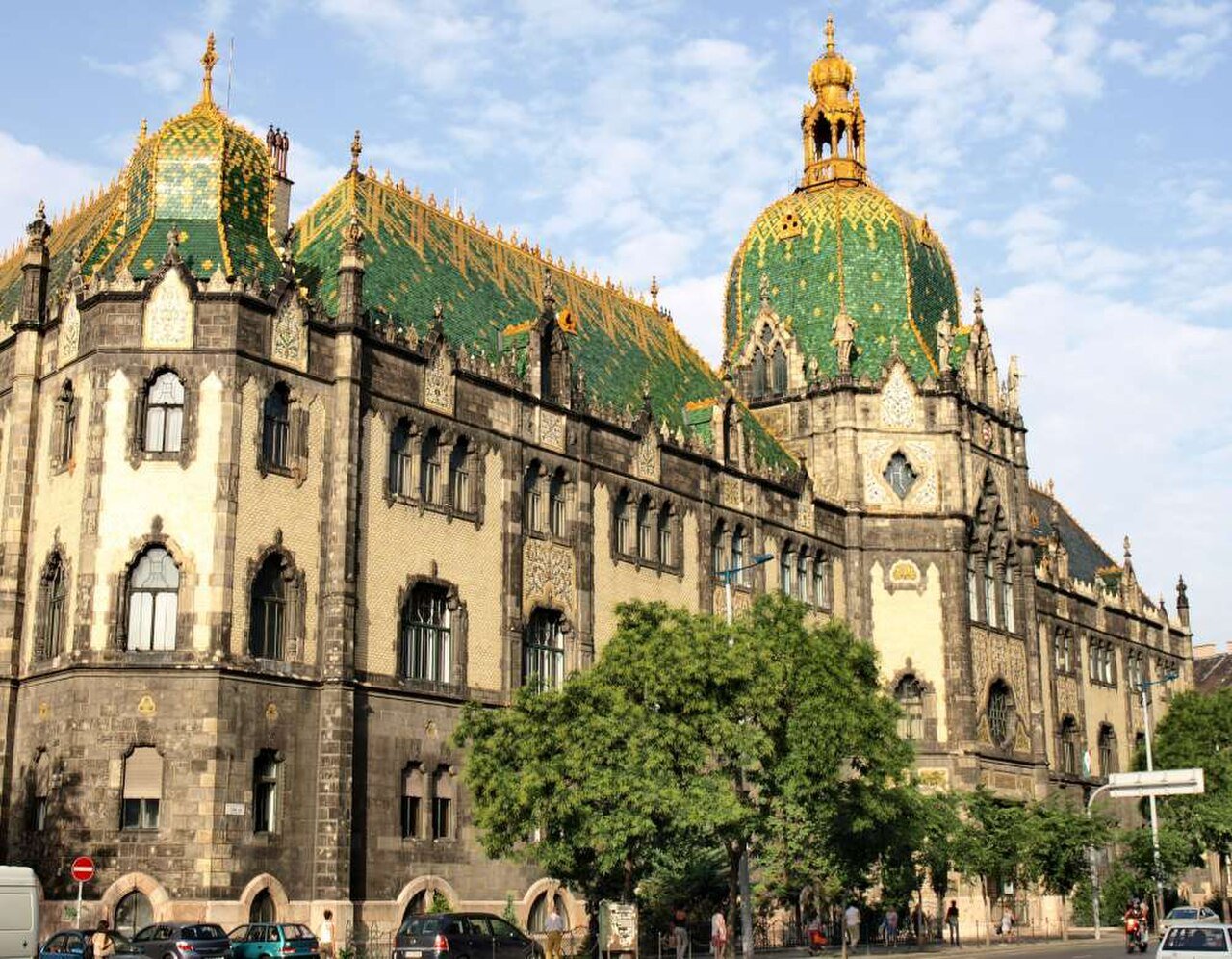
A heritage open day removes the barriers between the public and cultural buildings normally closed or charged for entry. When planned with clear goals, promoted systematically, and designed around visitor experience, an open day generates lasting engagement that transcends a single event—converting first-time visitors into ongoing supporters, donors, and advocates for heritage preservation.
Define your goals and audience
The first step in planning a successful heritage open day is clarity of purpose. Are you raising awareness among locals? Building attendance for a paid exhibition? Generating membership applications? Demonstrating community value to funders or local government? Each goal shapes decisions about timing, promotion, and the experience itself.
Once goals are set, identify your core audience. Young families, university students, heritage professionals, retired residents, and international tourists respond to different messaging and timings. A building in a city centre may naturally attract walk-in visitors and daytime professionals; a rural site requires targeted outreach and may benefit from shuttle transport or extended hours.
Document these choices in writing. They become your decision filter for every subsequent choice.
Create a planning timeline and checklist
Start promotion 6–8 weeks ahead of your open day. Build a checklist that covers: venue setup and access logistics, staff and volunteer coordination, insurance and risk assessment, signage and wayfinding, ticketing (if applicable), and contingency plans for weather or unexpected closures.
Assign ownership for each workstream. Twelve weeks out, finalize the date and secure all permits. Ten weeks out, brief staff and confirm volunteer availability. Eight weeks out, launch promotion. Six weeks out, test all logistics—entrance procedures, guided tour routes, disabled access, parking. This rhythm prevents last-minute crisis and allows time to fix gaps before the public arrives.
Use shared documents or a simple project tracker to keep the team aligned.
Design the visitor journey
The physical experience of an open day shapes whether visitors feel welcome and remember the visit positively. Start at the entrance: clear signage, friendly greeters, and a simple orientation take 60 seconds and set the tone.
Within the building, wayfinding should be intuitive—colour-coded zones, floor plans, and volunteer guides positioned at key decision points reduce confusion. Capacity management matters: if you cannot staff every room adequately or if crowding damages the experience, control flow through timed entry slots or one-way loops. Self-guided routes should have optional stopping points for rest and reflection.
Engagement deepens when visitors have a reason to linger. Short interpretation panels, QR codes linking to multimedia, or volunteer-led micro-talks fill the silence and provide context. Offer take-away materials: printed guides, membership flyers, heritage maps (CHO’s interactive heritage map can feature your institution), or digital resources they can explore later. Ending with a simple survey or feedback form—”What surprised you most?”—generates valuable data and shows visitors their input matters.
Amplify reach with a promotion calendar
Eight weeks out, build a promotion calendar across owned and paid channels. Social media should show behind-the-scenes preparation, volunteer spotlights, and countdown posts—aim for 2–3 posts weekly starting 6 weeks before. Partner with local government, tourism boards, and heritage networks to cross-post your event.
Press releases go to local media 4 weeks ahead; follow up 2 weeks before with a journalist preview if the story is strong enough. Email lists—supporters, members, past visitors—receive invitations 6 weeks out and reminders at 2 weeks and 3 days before.
Paid channels (Facebook, Google Ads) are most cost-effective 3–4 weeks before the event. Target geographic radius (5–15 km depending on venue prominence), age groups, and interest keywords. Measure click-through and conversion to build future campaigns.
Capture the moment and measure success
Document the event through photography and visitor data collection. A staff member or volunteer dedicated to photography creates archive material for future promotion and internal reporting. Capture crowds, details of engagement, and memorable visitor moments—these become powerful evidence of impact.
Count attendance, survey visitor origin and satisfaction, and track any direct outcomes: memberships signed, donations pledged, or follow-up visits scheduled. Post-event, share findings with your team and stakeholders. An open day that drew 200 new visitors from the surrounding region, converted 12 to members, and generated media coverage in two local outlets has a clear story to tell—and a clear benchmark for next year.
Frequently Asked Questions
How far in advance should we announce an open day?
Begin promotion 6–8 weeks ahead to give local residents time to plan attendance and allow media coverage to build awareness. Press releases and social posts should start 4–6 weeks before; email invitations to existing supporters can go out 6 weeks ahead. This timeline also allows sufficient lead time for volunteer recruitment and final logistics testing.
What if we don’t have enough volunteers to staff every room?
Open only the spaces you can adequately supervise and interpret. A smaller, well-managed visitor experience builds positive word-of-mouth; overcrowded or understaffed areas create safety risks and frustration. Position volunteers at key transitions, use self-guided materials for less-critical zones, and consider timed entry slots to control flow and reduce staffing burden per timeslot.
Should we charge admission or offer free entry?
Free or significantly reduced entry (under 25% of normal price) is standard for open days and removes a barrier to attendance. If revenue is a concern, offer voluntary donations at the exit, sell refreshments, or use the event to convert first-time visitors into members or supporters. The long-term value of expanded reach typically outweighs one day’s admission revenue.
How do we measure whether our open day succeeded?
Track attendance, visitor origin (postcode if possible), and satisfaction through a brief survey. Document direct outcomes: new memberships, donor pledges, or follow-up visits booked. Media impressions and social reach also matter. Compare these metrics against your initial goals—if the goal was to engage young families and you drew 60% of attendees under 40, you succeeded even if total numbers were modest.
Sources: ICOMOS (International Council on Monuments and Sites) — heritage conservation standards and community engagement practices. UNWTO Tourism and Culture — sustainable heritage tourism frameworks. CHO Interactive Heritage Map — documentation and cross-promotion of cultural sites. UNESCO Heritage and Tourism — international best practice for visitor access and interpretation.
Sources
- S1 — Thurley, Simon. Men from the Ministry: How Britain Saved Its Heritage. Yale University Press, 2013. ISBN 978-0-300-19572-9.
- S2 — Howard, Peter. Heritage: Management, Interpretation, Identity. Continuum, 2003. ISBN 978-0-8264-5898-8.
Spotted an error? Write to editorial@culturalheritageonline.com and we correct it the same day.