
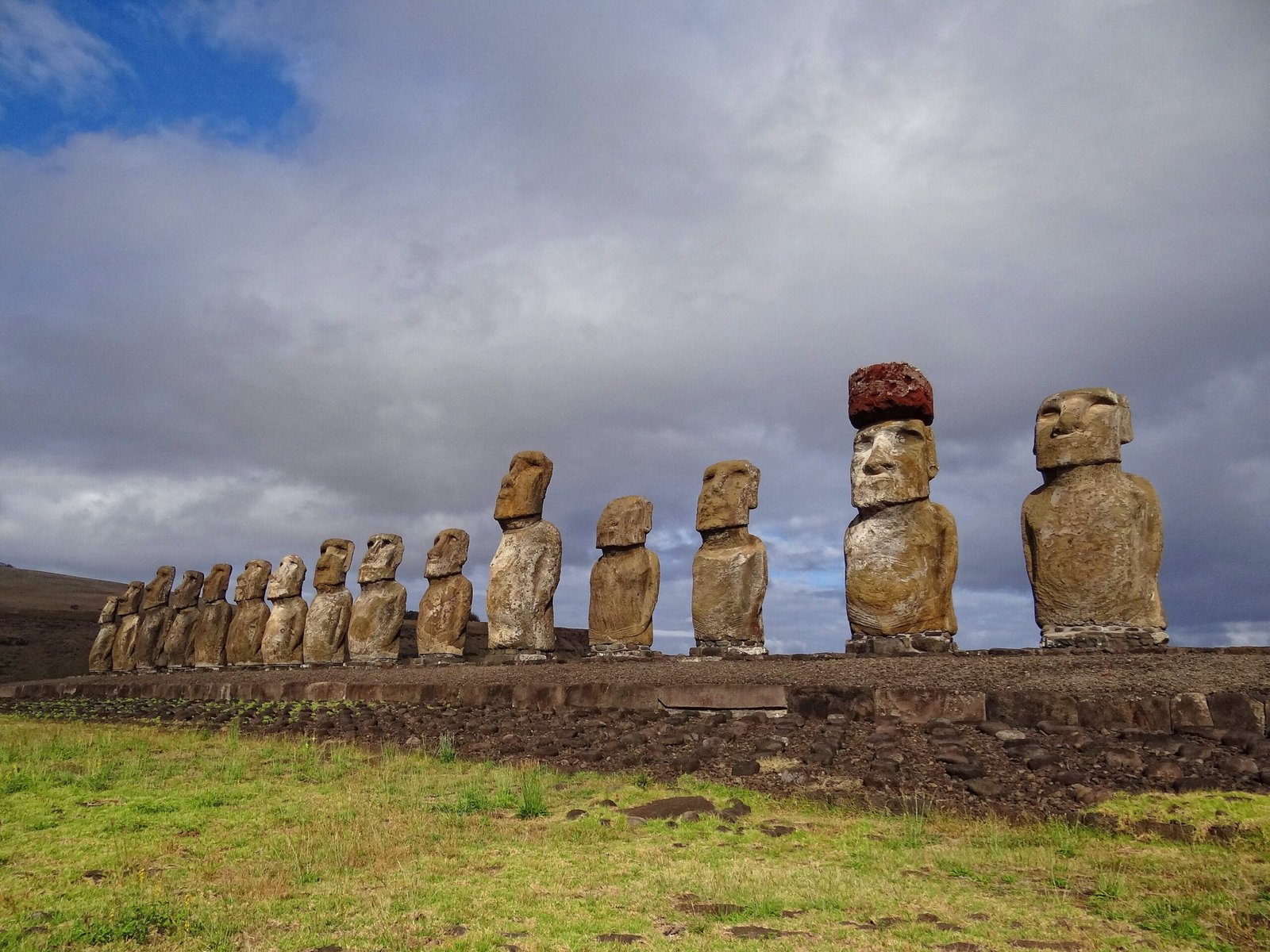
Most heritage sites have no good photographs. What exists online is blurry, badly lit, and taken from the wrong angle twenty years ago. Your camera — and your eye for light — could change that.
You’re Already Better Positioned Than You Know
If you’ve ever stood in front of a monument and thought, “I could shoot this better,” you probably can. The archive photographs that exist for most cultural heritage sites were taken by whoever had a camera nearby, not by someone with an eye trained for light and composition. You already have two advantages they didn’t: you visit because you care, and you’re reading this because you understand that images matter. Professional photographers with museum contracts spend weeks on location. Amateur photographers with passion spend afternoons and return again and again until they find the angle that works. That obsession produces the best documentation of heritage anywhere.
What CHO Actually Needs From You
Cultural Heritage Online exists to map the world’s significant places and make them discoverable. Right now, we’re building that map through a combination of historical records, GPS verification, and visual documentation. We need three things from photographers: photographs of places you’ve visited (heritage sites, monuments, squares, historic buildings); information about events happening at those places (guided tours, special openings, temporary exhibitions); and locations we haven’t yet documented. When you photograph a façade, you’re creating an archive. When you note that a chapel opens on Thursdays at 2 p.m., you’re making it real for someone planning a visit three continents away. When you pinpoint a small baroque villa on a hillside and tell us its name, you’re adding a dot to a map that will eventually cover the world.
What Good Documentation Actually Looks Like
Specificity wins. A photograph of the Basilica of Santa Maria la Nova in Naples matters not because it’s technically perfect, but because it shows what the light does to the stone at that hour, from that angle, in that season. The detail tells a story. When you photograph heritage, you’re recording a moment. A photo taken from the front steps at dawn differs from one taken from across the piazza at noon. Both documents are valuable. Clarity helps — focus the frame, avoid blur — but composition and light matter more than perfection. A slightly grainy photograph of a balcony’s hand-carved railings, taken from a specific vantage point, teaches more about a building than a technically flawless but generic shot of the whole façade. Choose moments. Choose light. Choose the angle that makes you stop and look twice.
What Happens to Your Contribution
When you upload a photo to CHO, it becomes part of the public record of that place. It appears on the place page — the digital hub where travelers, researchers, and other photographers go to learn about that location. Your photograph anchors the page visually and contextually. It appears in search results. It’s linked to geographic coordinates. Other photographers see it and understand what the site looks like before they visit. Researchers studying architectural history can reference it. Tour guides use it to brief clients. Museum directors see how their properties appear to visitors. The reach is quiet but real. You won’t be notified every time someone views your photograph, but you’ll know it’s circulating because it’s part of a living map. You can also propose new places or events at culturalheritageonline.com/proponi/ — that same form captures photos, locations, and site information all in one place.
How to Start Contributing Today
Create a free Ambassador profile. Visit culturalheritageonline.com/ambassador/ and set up an account with your name and a short bio if you’d like. There’s no fee, no subscription tier, no gatekeeping. Next, go to /proponi/ and choose what you want to share: a photograph of an existing place, information about a heritage site we haven’t documented yet, or an event you’ve noticed. Upload your photo directly, add basic details like location and date if they’re relevant, and submit. Our curation team reviews every contribution to ensure it’s authentic and accurate, then it appears on the site. Start with one place. A building you know well. A monument from your last trip. A square near your home. One clear photograph. That’s the beginning.
Sources
- S1 — Freeman, Michael. The Photographer's Eye: Composition and Design for Better Digital Photos. Focal Press, 2007. ISBN 978-0-240-80934-2.
- S2 — Stylianidis, Efstratios, and Clive Billenness, eds. 3D Recording, Documentation and Management of Cultural Heritage. Whittles Publishing, 2016. ISBN 978-1-84995-168-5.
Spotted an error? Write to editorial@culturalheritageonline.com and we correct it the same day.