
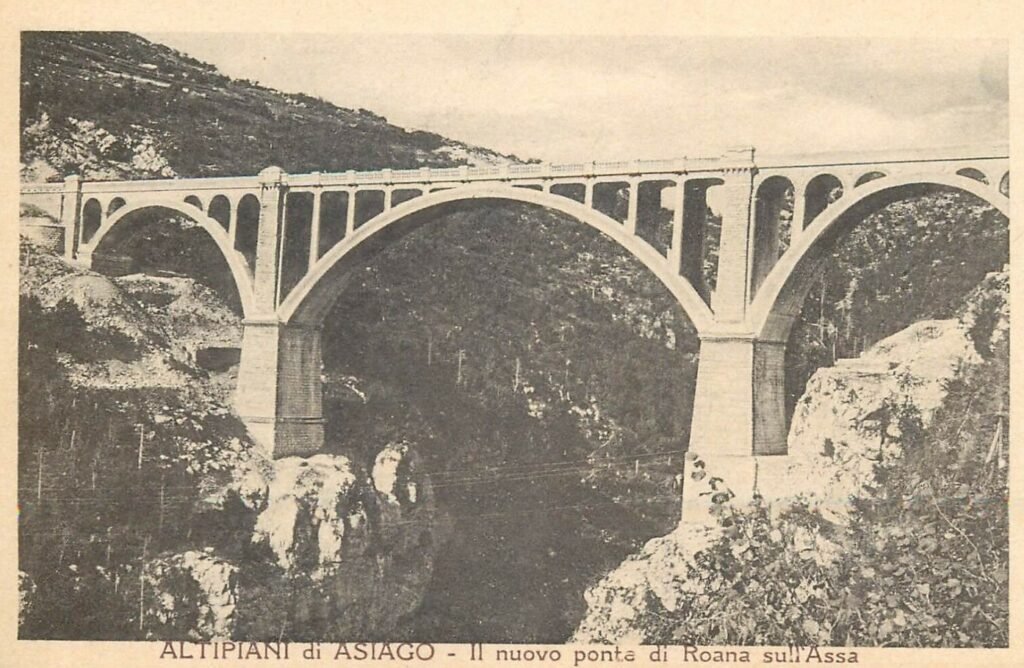
Ponte della Serra di Val Roana, Roana (1924)
A reinforced-concrete bridge designed by engineer Eugenio Miozzi in the Veneto region during the 1920s, part of Italy’s postwar reconstruction efforts.

Stefano Vigolo photographs and documents Italian architecture of the interwar decades — the years known in Italy as the Ventennio — from Rationalism and Art Déco to the buildings that fall between the guidebooks. He is a researcher of the period.
Contributions: 516 articles · 106 heritage places · 7 events · 12 itineraries · 89 photographs
Published on beniculturalionline.it, the Italian archive of this publication, online since 1998. They are being brought into Cultural Heritage Online.
A reinforced-concrete bridge designed by engineer Eugenio Miozzi in the Veneto region during the 1920s, part of Italy’s postwar reconstruction efforts.
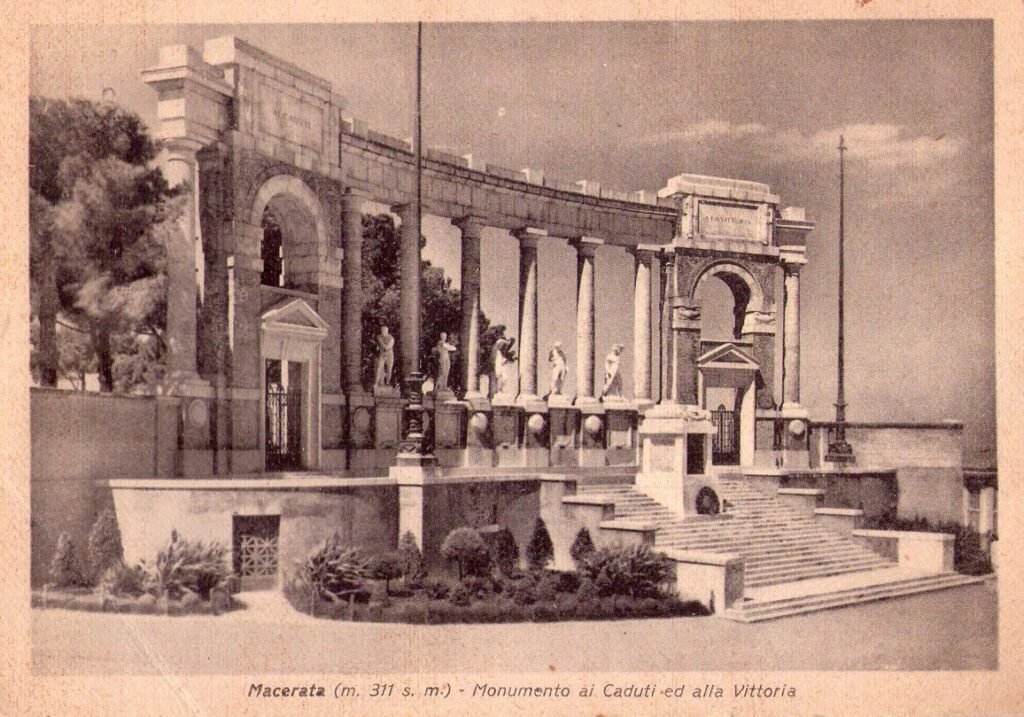
Cesare Bazzani designed this monument to those who died in war and revolution for the city of Macerata in 1930. The work exemplifies the architect’s engagement with civic commemorative architecture during the interwar period.

Designed by engineer Ugo Pavesi in 1918, the P4 was Italy’s first four-wheel-drive tractor and found greater success in military service than agriculture.
A 1911 poster by designer RAM promoted Italy’s attractions abroad during the early 20th century, when foreign tourism had become an important source of national income.
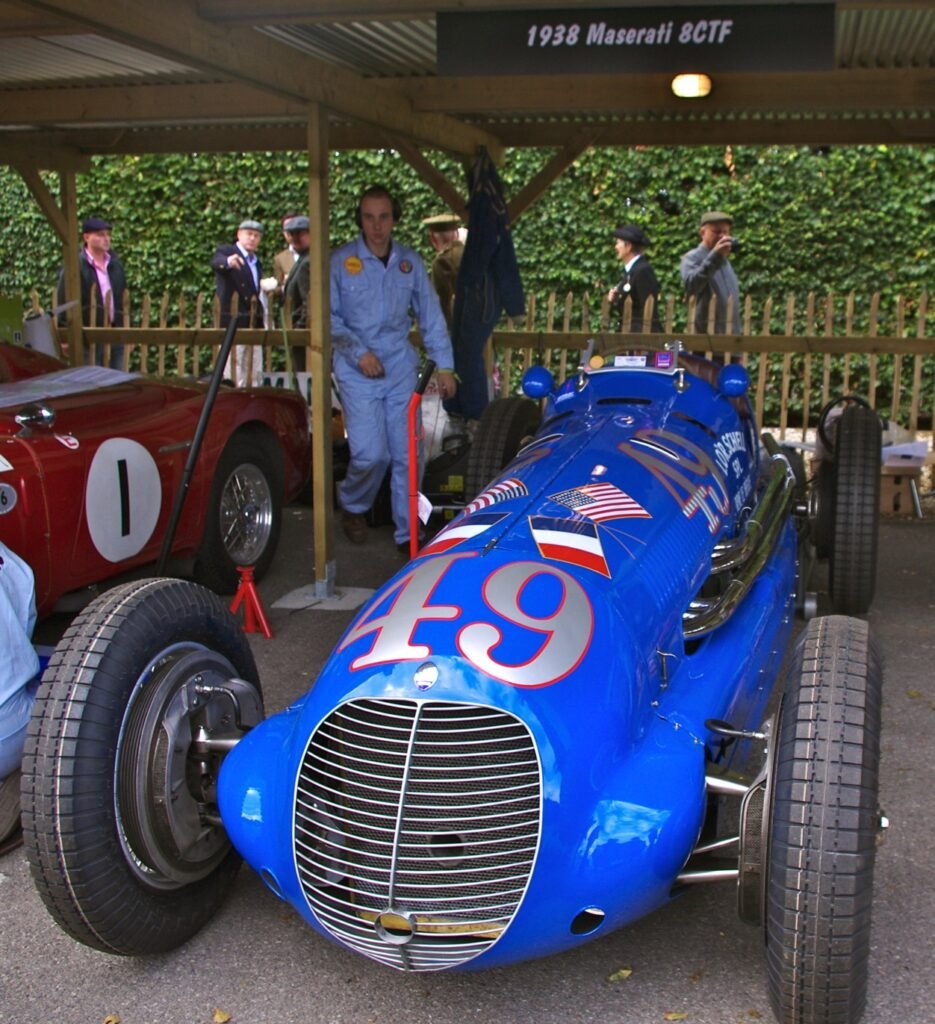
Built between 1938 and 1939, Maserati’s 8CTF single-seater racing car became the only Italian car to win the Indianapolis 500, piloted by Wilbur Shaw in 1939 and 1940.
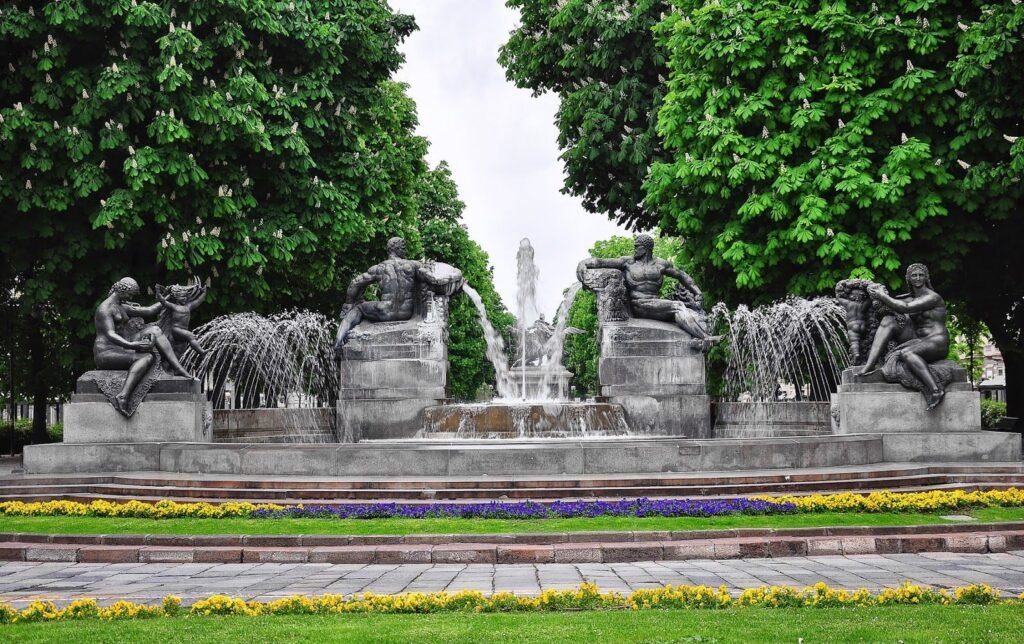
The Fontana Angelica is a fountain designed by Riva in 1934, located in Piazza Solferino in the historic centre of Turin. Created during Italy’s interwar period, it represents early twentieth-century civic design.
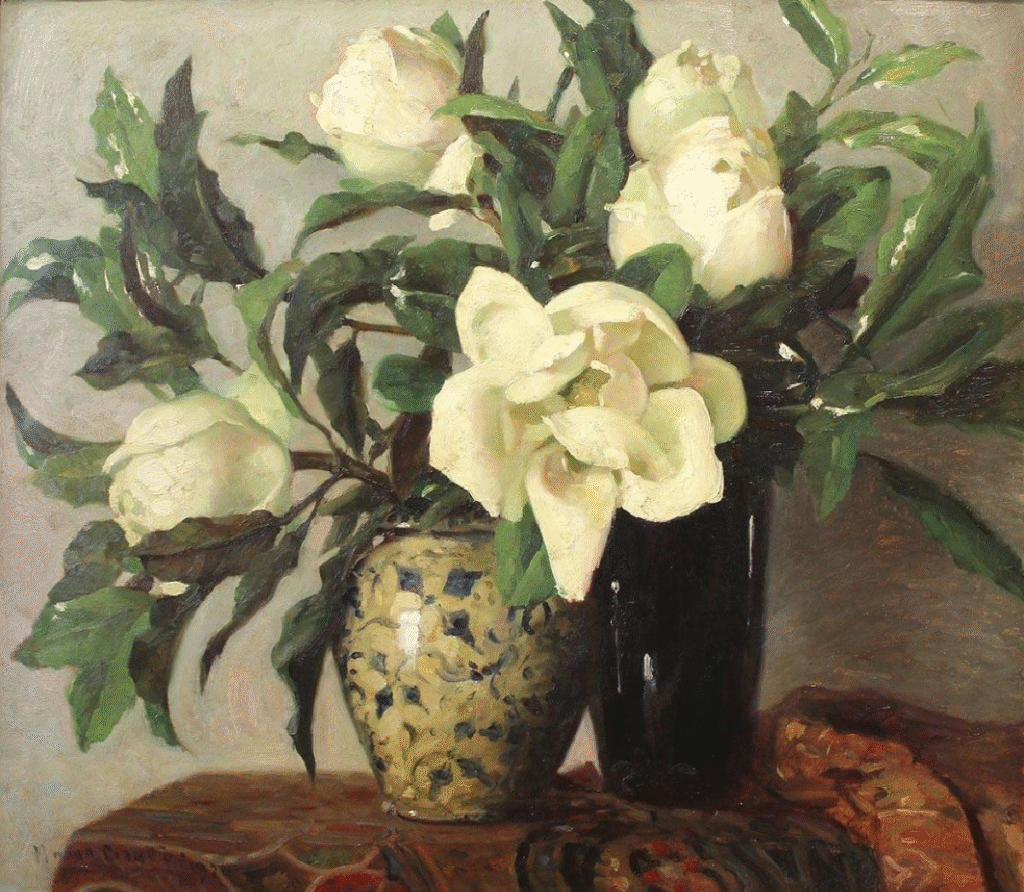
A 1929 painting by Italian artist Bruno Croatto depicting vases arranged with magnolia flowers. Croatto, a painter associated with magical realism, created this work during his mature period.

An advertising poster designed by Leonetto Cappiello around 1925, exemplifying his revolutionary approach to poster art. The work demonstrates Cappiello’s signature technique of bold figures set against dark backgrounds.
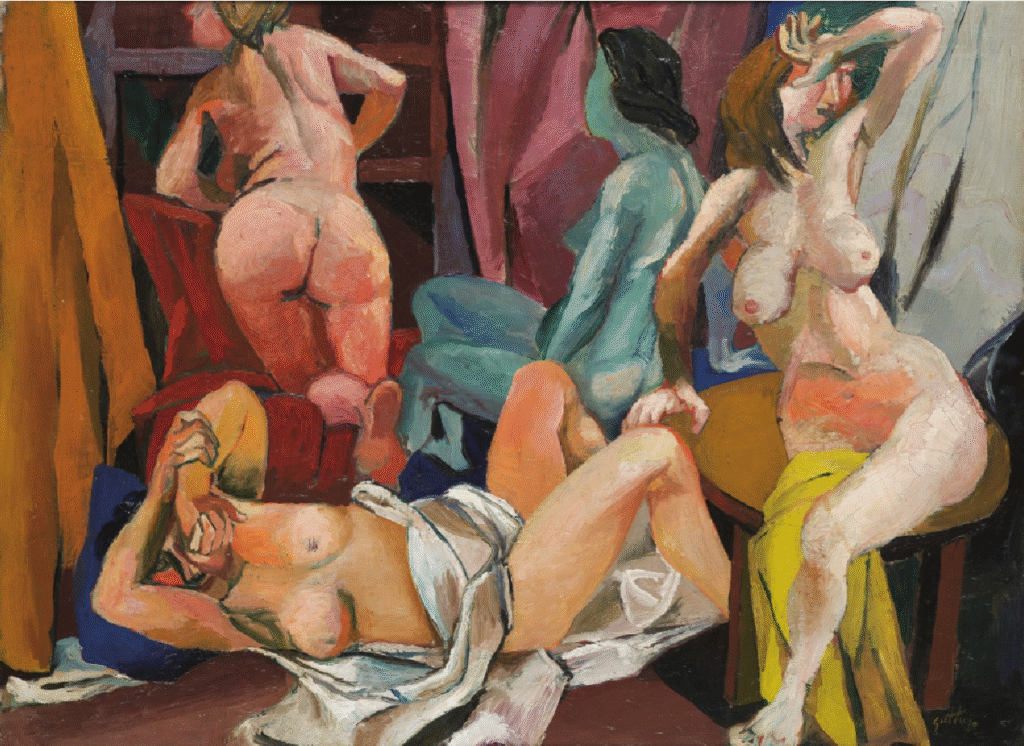
Renato Guttuso’s 1940 painting Le ragazze di Palermo presents a work from the Sicilian artist during the interwar period, exemplifying his engagement with social observation.
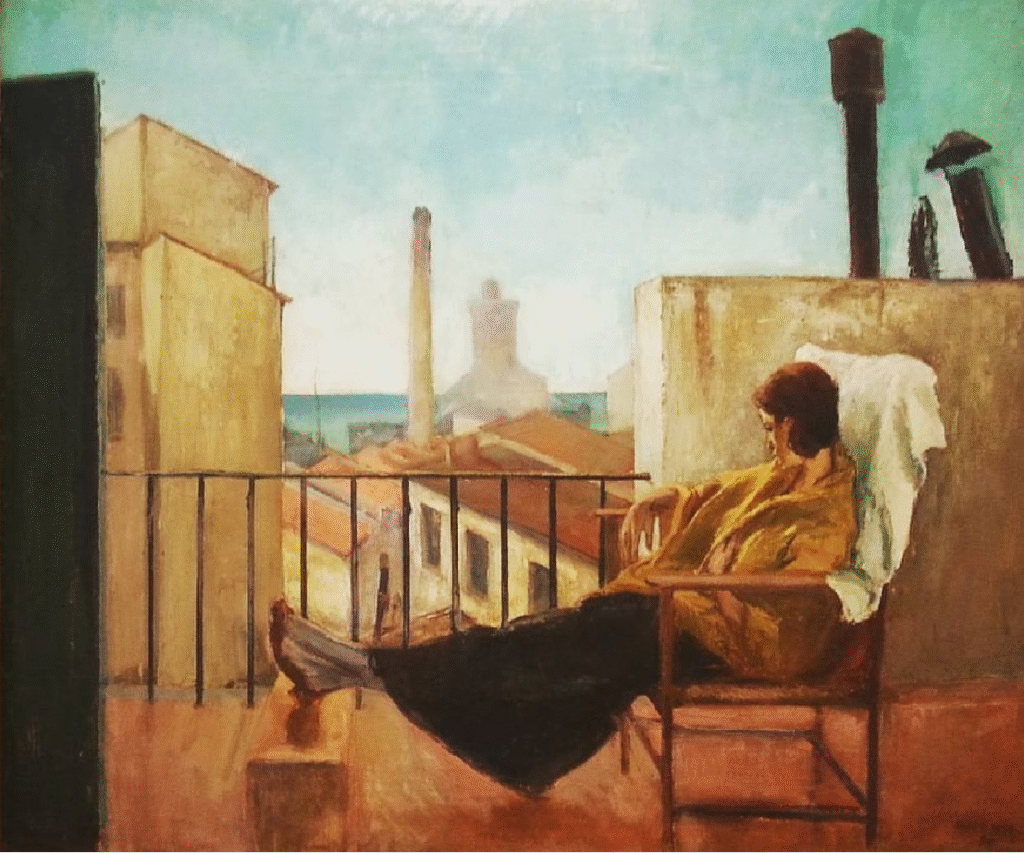
Baccio Maria Bacci’s Convalescente dates to 1930, a work by the Florentine painter of the Tuscan Novecento movement. The painting exemplifies Bacci’s mature practice after his early Futurist-influenced period.