
Twenty-eight years of cultural heritage, now opening its archive to a chosen circle of partners.
Your venue’s architecture and history have a value that booking platforms cannot communicate. We build a walking route through the heritage around you and put your building at the end of it — sourced stops, GPS-pinned, downloadable, yours to hand to a guest. Researched by a named editorial desk with a published corrections policy, inside an archive documenting cultural heritage worldwide since 1998, in English since 2019. Not a listing among listings: a road that leads to your door, and a record that the place down the street does not have.
Built on twenty-eight years of indexed heritage content — places, events, and thematic itineraries documented continuously since 1998.
Structured around place-cards, editorial features, and curated maps — not a directory, not a media kit.
Audience grown organically, without paid advertising, around Liberty, Art Nouveau, Belle Époque and adjacent fields.
Your venue has history. Online, it still looks like a simple listing.
Google Maps shows a pin. Booking platforms show rooms. Social platforms show isolated posts. None of these were built to communicate why a place matters within a longer arc of cultural geography.
For a venue whose value is partly architectural, partly biographical, partly contextual, the standard discovery layer flattens the most interesting things into the most generic format: a single bullet inside a list of look-alike listings.
- 01 Your story is fragmentedScattered across Booking, TripAdvisor, Maps, Instagram — none of them connected.
- 02 Your location lacks cultural contextA pin in isolation, with no link to the heritage that surrounds it.
- 03 Your events disappear after the date passesNo archive of past programming. No memory the audience can revisit.
- 04 Your visibility depends on platforms not built for heritageDistribution rules optimised for transactions, not cultural relevance.
CHO builds a cultural ecosystem around your venue.
For each partner, we construct a structured editorial and geographic presence anchored to the existing archive. This is not banner placement. It is a small set of carefully curated, fact-checked, source-cited objects connected to one another: place-card, route, event, editorial feature.
Readers who arrive looking for a Liberty villa, a heritage walking itinerary, a thematic map, or a long-form article find your venue inside the same context — not adjacent to it, but woven through it.
- A dedicated place-card for your venue inside the archive
- A curated map of nearby points of interest within walking radius
- A thematic route connecting your venue to related heritage
- An editorial guest feature optimised for SEO and GEO discovery
- Contextual links between venue, place, route, and event
- Organic distribution through the Facebook community and CHO page
after you join
The first ninety days, in five movements.
-
Venue review
An editorial brief — short written brief — no scheduling required — to establish the cultural angle, key dates, attributions, and the architectural or biographical claims we will document.
Week 1 -
Territory mapping
We identify nearby places of heritage value within walking radius — palazzos, museums, smaller buildings the standard guides omit — and prepare the thematic route that connects them to your venue.
Weeks 1–2 -
Content setup
We produce the place-card, the route, and the editorial guest feature. All claims sourced. All images Wikimedia, licensed, or supplied by you. Fact-check protocol identical to our own editorial pieces.
Weeks 2–4 -
Partner visibility goes live
Publication on culturalheritageonline.com, submission to Google Search Console, and one organic distribution post on the Facebook community and CHO page. No paid amplification.
Week 4 -
Quarterly review
A short written report — what was published, what was read, what changed in search visibility. No vanity metrics. Direct support channel for content updates throughout the year.
Quarterly
and after
From a listing to a cultural position.
Isolated. Fragmented. Forgettable.
- One listing among hundreds, indistinguishable by format.
- A generic map pin with no surrounding heritage context.
- An event mention disconnected from the venue’s history.
- No lasting narrative — programming evaporates after the date.
- Visibility entirely dependent on platforms not built for heritage.
Anchored. Contextual. Persistent.
- A place-card inside an archive that has been read for twenty-eight years.
- A walking route through the heritage around you, ending at your door.
- An editorial feature optimised for SEO and AI search engines.
- An event memory and a place timeline that persist beyond the date.
- Premium partner positioning — curated, not crowded.
Five reasons heritage venues choose the program.
Found by travelers who specifically want heritage
Visitors searching for historic venues in your city — on Google, or through AI travel tools — encounter your venue inside editorial content, not a price-comparison list.
A permanent record, not a transient post
A fact-checked, source-cited place-card that does not expire when an algorithm changes. The same indexed content remains discoverable and citable for years.
Context — not just a location pin
Your venue appears inside a curated map and a thematic itinerary. Guests arrive understanding the architectural and cultural significance of where they are staying.
Published content you can cite
An editorial feature on a 28-year platform you can reference on your own website, share with press contacts, and use in cultural-institution communications.
Fifteen minutes, then CHO handles it
A short written brief — no scheduled call required. We research, source, write, and publish. No press officer needed, no ongoing management from your side.
Positioned before AI-era SEO closes the window
Editorial platforms indexed before AI search expands are inside the answer layer, not the ad layer. Founding Partners enter while that positioning is still available at founder rates.
For venues where the building is part of the story.
 i.
i.
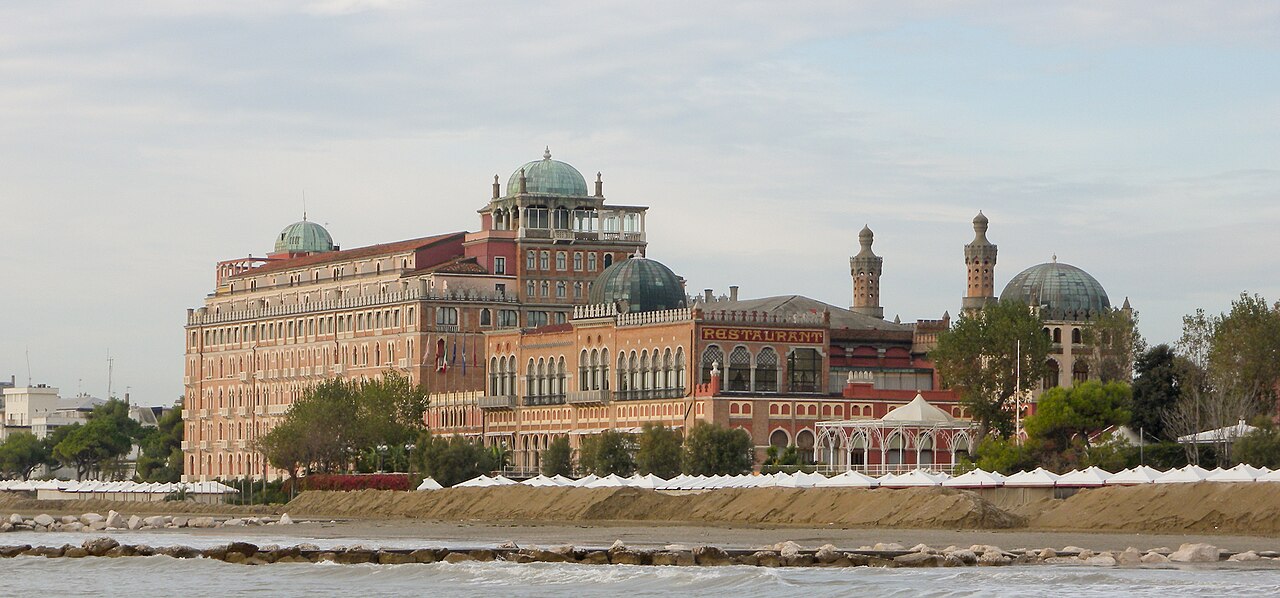
Historic hotels & boutique stays
Properties inside listed buildings, palazzi storici, Liberty villas, restored aristocratic residences.
 ii.
ii.
Galleries & house museums
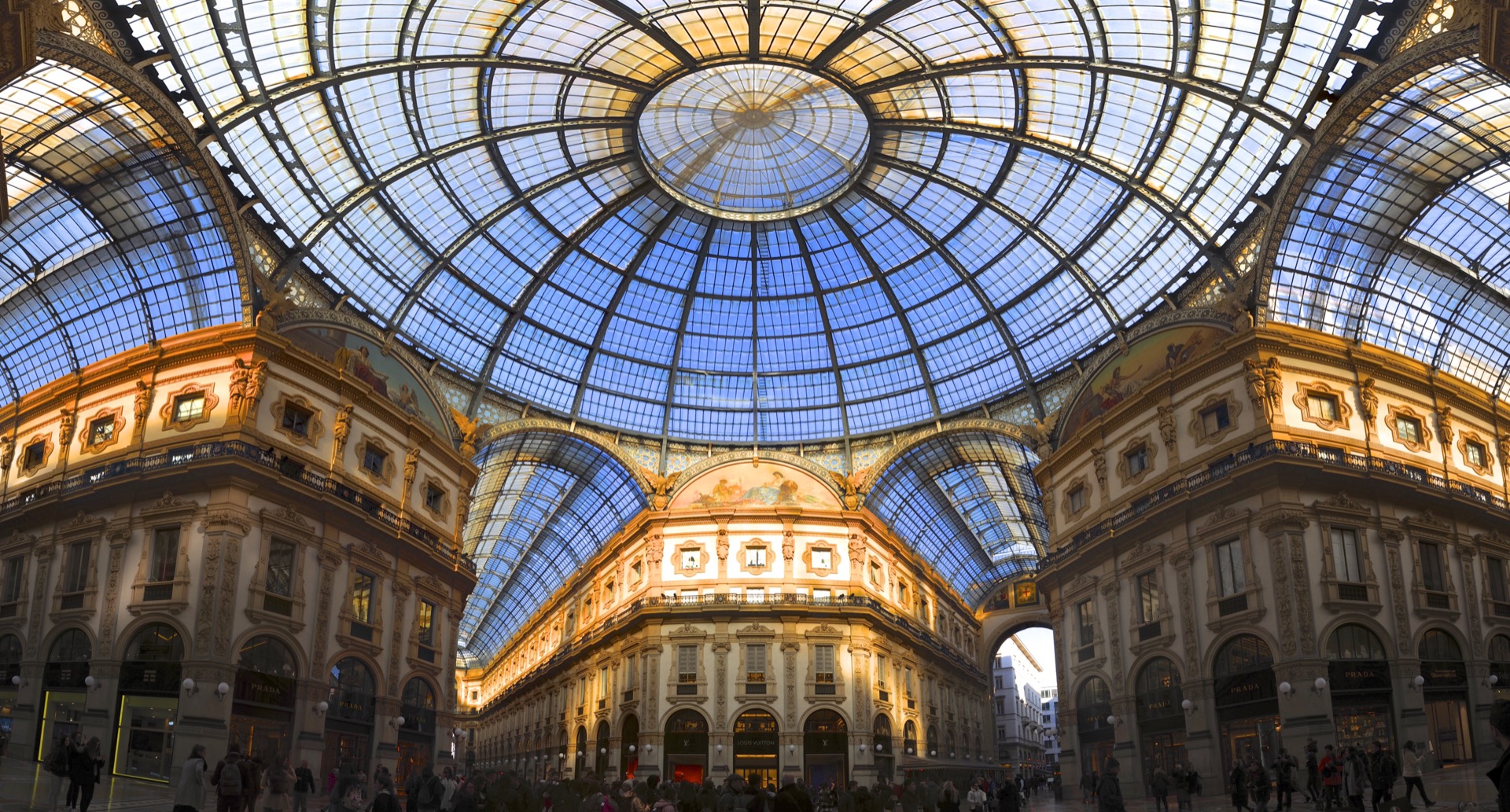
Private galleries, foundations, and house museums with permanent or rotating cultural programming.
 iii.
iii.
Heritage cafés & restaurants
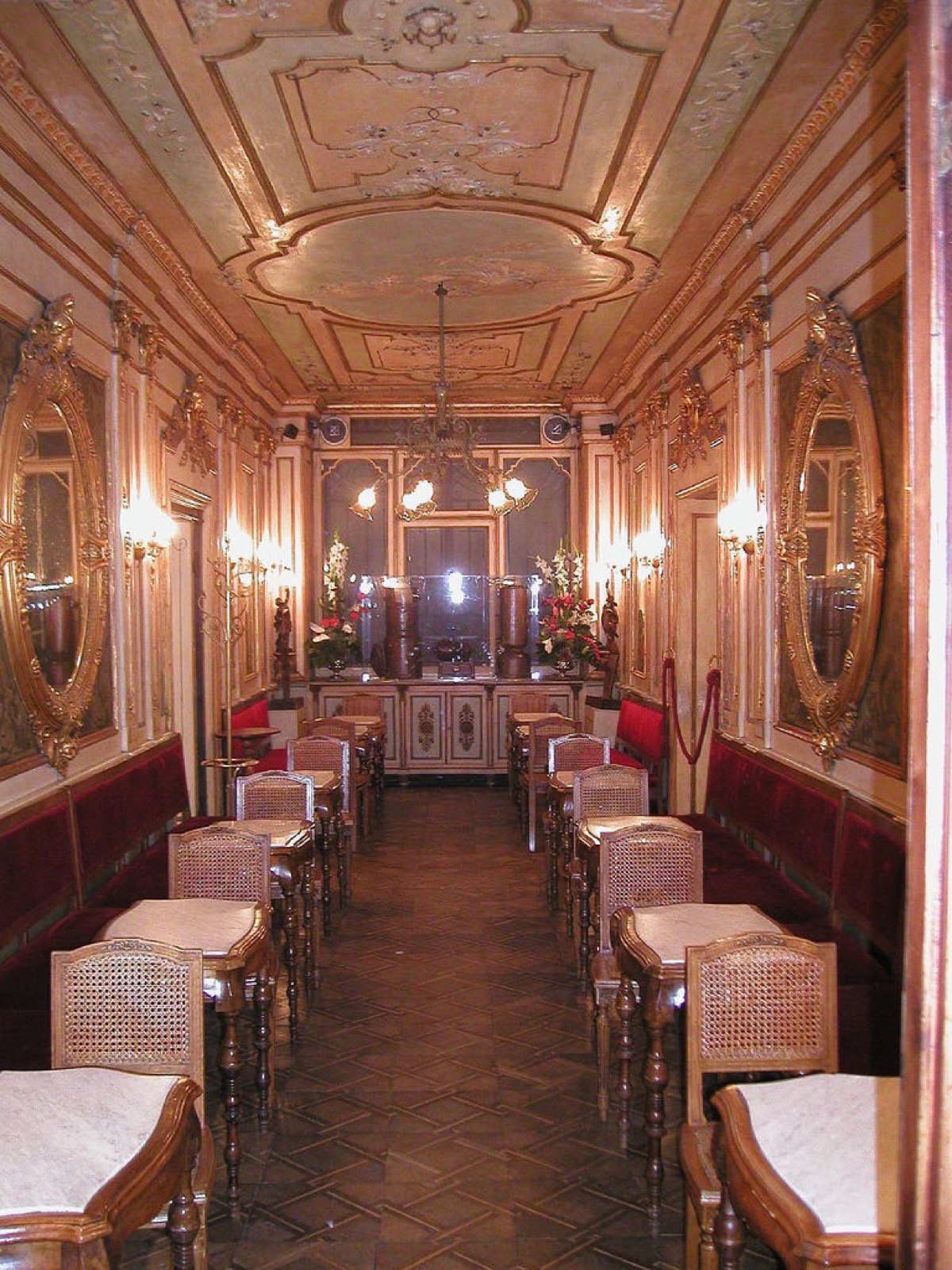
Caffè storici, restaurants inside or adjacent to listed buildings, venues with documented archival continuity.
 iv.
iv.
Cultural venues & event spaces
Theatres, music venues, exhibition halls, and event spaces inside historic architecture.
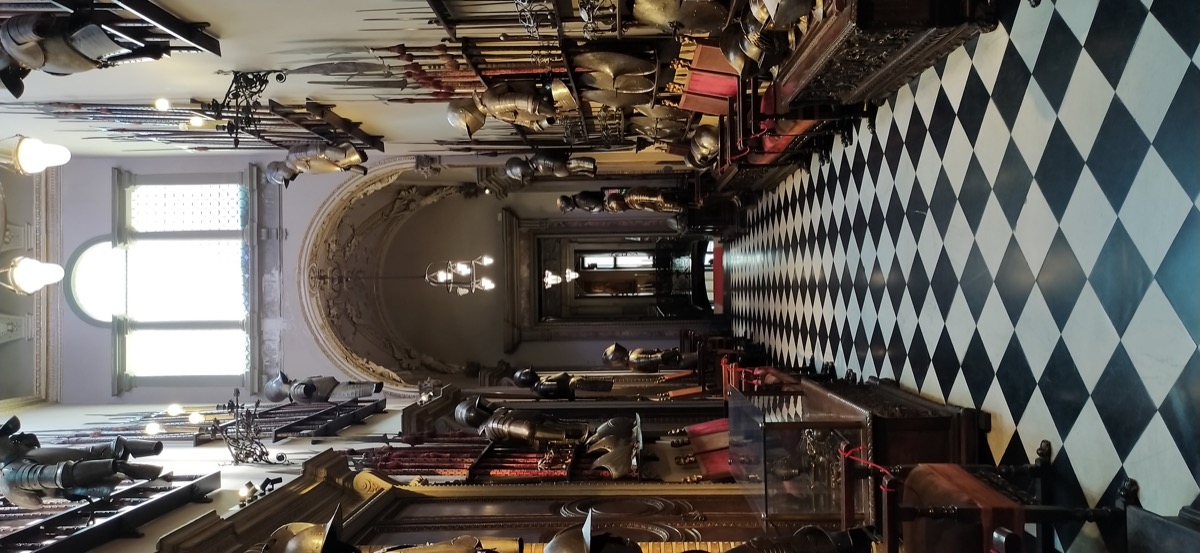 v.
v.
Private museums & operators
Private museums, destination operators, and selected local promoters working on a heritage angle.
If your venue lives inside a place with cultural value, CHO can turn that context into discoverable relevance.
Nine examples from the archive.
These nine entries are editorial examples, produced by our editors from public, openly-licensed sources, to show exactly what each Founding Partner tier looks like in practice. The institutions are independent: none has joined, endorsed, or paid for the programme. This is what your entry could look like — before you sign anything.
Early partners receive permanent advantages the later cohorts will not.
Priority onboarding
Editorial brief answered within seven days of acceptance. First publication within four weeks. Everything in writing, with a named editor answering within two business days.
One price, published
The price you read is the price on the invoice, and it does not rise at renewal. No countdown, no seat counter, no code to hunt for.
Early premium positioning
First placement inside the new thematic maps as territories open. Editorial features prioritised in the upcoming Liberty Grand Tour rollout.
Direct support during rollout
Quarterly review with written report. Content updates included throughout the year. No ticketing system, no automated bot — written and human-reviewed.
Inclusion in the first wave
Listed in the inaugural international roster. Cited in press communications announcing the Founding Partner cohort across launch markets.
First month refundable
If we do not deliver the publication and the agreed deliverables within the first month, the fee is fully refundable. Stated in writing on the invoice.
A small, deliberate cohort — composed and quietly built, not advertised at scale.
Three tiers. Annual subscriptions. USD primary, EUR on request.
Liberty Starter
B&B · Independent guide · Small gallery
per year
- A published walking route with your venue as its destination — ten heritage stops around you, each researched, sourced and GPS-pinned, arranged into a route that begins or ends at your door. The stops are the road; you are where it leads ↗ See examples
- Yours to hand out — the route downloads as a GPX file your guests follow on their phone, and the map of what to see nearby goes on your own website. It works on the days you have no one to guide them ↗ See a real route
- One editorial guest post on the CHO magazine — SEO & GEO optimised, fact-checked, published within 45 days of onboarding ↗ Read examples
- Fact-check protocol identical to in-house editorial: every historical claim cited to a primary source before publication ↗ How it works
- Quarterly written review — what published, how it ranks on Google Search, what is planned for the next quarter ↗ See sample report
Liberty Partner
Historic hotel · Boutique property · Gallery
per year
- A themed route of twenty stops, built around why your building matters — not simply what stands near it. Every stop links back to you, and the route carries your name ↗ See a real twenty-stop route
- The route on your own site, and in your guests’ hands — GPX download, embeddable map, and a printable version for the room ↗ See a real route
- Three editorial guest posts across the year — one per quarter, timed to seasonal search patterns, each fact-checked and indexed ↗ See quarterly plan
- Heritage Partner tab on your CHO place-card — “Stay” or “Dine” label visible to every heritage traveller who reads a nearby article or place entry, for the full 12 months ↗ See it live
- Two organic distributions per major publication, to our heritage community on social media — 841,000 members, Italian-language wall plus the CHO channels. It is an audience for the style, not a booking channel: we keep it separate from the site’s own readers ↗ About the audience
- Quarterly written review — what published, how it ranks on Google Search Console, what’s planned next
Liberty Legacy
Boutique chain · Foundation · Institution
per year
- Everything in Partner, plus —
- Category exclusivity in your zone (1–5 km radius) — the only “Stay” or “Dine” partner of your type within that perimeter, for the duration of the subscription ↗ How it works
- Monthly AI-assisted Google Search Console report — clicks, impressions, and top queries for your CHO pages, delivered in plain English by the 5th of each month ↗ See sample report
- The same report every month instead of every quarter — with month-on-month comparisons, so you can see a trend and not just a snapshot ↗ Preview dashboard
- Priority access to new verticals as they launch — Art Déco, Belle Époque, Renaissance off-map — before the open intake ↗ Upcoming verticals
- Named editorial contact — every request answered in writing within two business days, by the editor whose name is on the masthead
All prices in US dollars. EUR invoicing available on request. Invoiced by OASIS Tech LLC (Wyoming, USA). Stripe Payment Link or bank transfer. First month refundable if the agreed deliverables are not produced.
What protects the partner during the rollout.
Twenty-eight years of archive depth
Continuous publication since 1998. Thousands of place-cards. Indexed by region, by period, and by theme — a citation surface, not a directory.
An audience already in place
Organic Facebook community of about 841K members and 2.1M views a month. The website itself is a different audience: 3,350 organic visitors a month, 490,000 impressions in Google Search (measured 2 September 2026). No paid amplification has ever been used to inflate either figure.
Human-reviewed editorial output
Every published piece passes the same fact-check protocol as our own pieces: Treccani, beniculturali, primary institutional sources. Wikipedia is reference, not citation.
Structured rollout, written commitments
Onboarding timeline stated in writing on the invoice. First month refundable if not delivered. No ticketing system: written, named, accountable correspondence.
Sources cited, claims verifiable
Where a date is contested between sources, we say so. Where an attribution is uncertain, we say so. The result is content the institution can link from its own website without quietly correcting it later.
One named operator behind the project
Cultural Heritage Online is operated by OASIS Tech LLC, Wyoming, USA. Editorial responsibility sits with Luigi De Marchi, who has run the platform since 1998.
Frequently asked, plainly answered.
Is the platform already live?
Yes. The archive has been published without interruption since 1998 — as beniculturalionline.it from the start, and at culturalheritageonline.com in this English edition since 2019. The Founding Partner Program is the international B2B layer added on top of an existing editorial archive — not a project waiting for first traction.
What do we receive first, and when?
An editorial brief within seven days of acceptance. A first draft of the place-card and the thematic route within two to three weeks. Publication within four weeks of brief approval. Quarterly written reviews thereafter.
Do you work outside Italy?
Yes. The Founding Partner Program is open to heritage venues worldwide, with two exceptions: Italy and the United States, where participation is free rather than paid. Active outreach for the 2026 intake covers Belgium, Austria, Spain, France, the United Kingdom, Hungary and Romania in Europe, and Australia and Japan outside it. The same published price applies in all markets. The editorial language is English. Italian remains available where the audience requires it.
Do you work with US businesses?
No. Cultural Heritage Online is operated by OASIS Tech LLC, a US entity. For domestic fiscal reasons, we do not accept partners based in the United States. Readers reach the archive from 232 countries (measured 6 September 2026). A majority sit outside the European Union, and the United States is the single largest audience. Venues anywhere are welcome, except the two markets named above.
Can you help create the content?
Yes. The Starter, Partner, and Legacy tiers include editorial production — the place-card, the route, the guest feature. We work from your written brief and a small set of supplied references. If you have archival material to share, we will use it; if you do not, we will source from Wikimedia, public-domain archives, and institutional sources.
What if we do not have strong visual or written materials?
It is the normal case. Most venues in the program do not arrive with a press kit. We rely on Wikimedia, public-domain photographic archives, regional cultural-heritage portals, and our own twenty-eight-year archive of imagery. Where original photography is required, we will say so and discuss it.
Is this advertising?
No. It is editorial positioning. Banner advertising buys impressions. The Founding Partner Program buys a structured, fact-checked place inside an indexed cultural archive — a place-card that lives next to the editorial features readers came to read in the first place. We do not run promotional content for venues without a documented heritage angle.
How are results monitored?
Quarterly written review covering publication status, search visibility, organic distribution impressions, and editorial updates. Liberty Legacy includes monthly AI-assisted reports. We do not promise traffic numbers in advance. We do report the numbers we have.
How is the onboarding handled — is there a sales call?
The onboarding flow is built so the venue can apply, brief, and pay in writing — no scheduled sales call required. The brief is answered by email — no call or scheduling required. For peace of mind, the first month is fully refundable if we do not deliver the agreed publication, stated in writing on the invoice.
Who owns the content produced for our venue?
The editorial article is published on Cultural Heritage Online and remains there as part of the archive. You may link to it, quote it, and reproduce excerpts with attribution. Original photographs you supply remain yours. Public-domain and Wikimedia imagery is credited at source.
Secure your place in the first international rollout.
A composed circle of partners across Belgium, Austria, Spain, France, the United Kingdom, Hungary and Romania — selected one venue at a time. One published price, held at renewal. First month refundable.
Stay at the forefront
of heritage culture.
New places, magazine stories and founding-partner programme updates — once a week, no filler.
Create your free account
Submit cultural places and events, write in your own language — our AI translates it into English — and reach an international audience of cultural travellers built over more than twenty years. Free, forever.
Create your free account →As a free Ambassador, you can:- SubmitAdd cultural places and events — each one editorially reviewed before it goes live.
- Publish in your languageWrite in your own words; our AI polishes and translates it into English for the world.
- Showcase your workPhotographers, researchers, enthusiasts and professionals: publish your own photographs with full credit and build your reputation.
- Reach the worldBuild your contributor profile and reach an international audience of cultural travellers.
Before you pay, read how refunds work: our refund policy is short, it is applied automatically where the rule is clear, and you can ask for a refund here.