
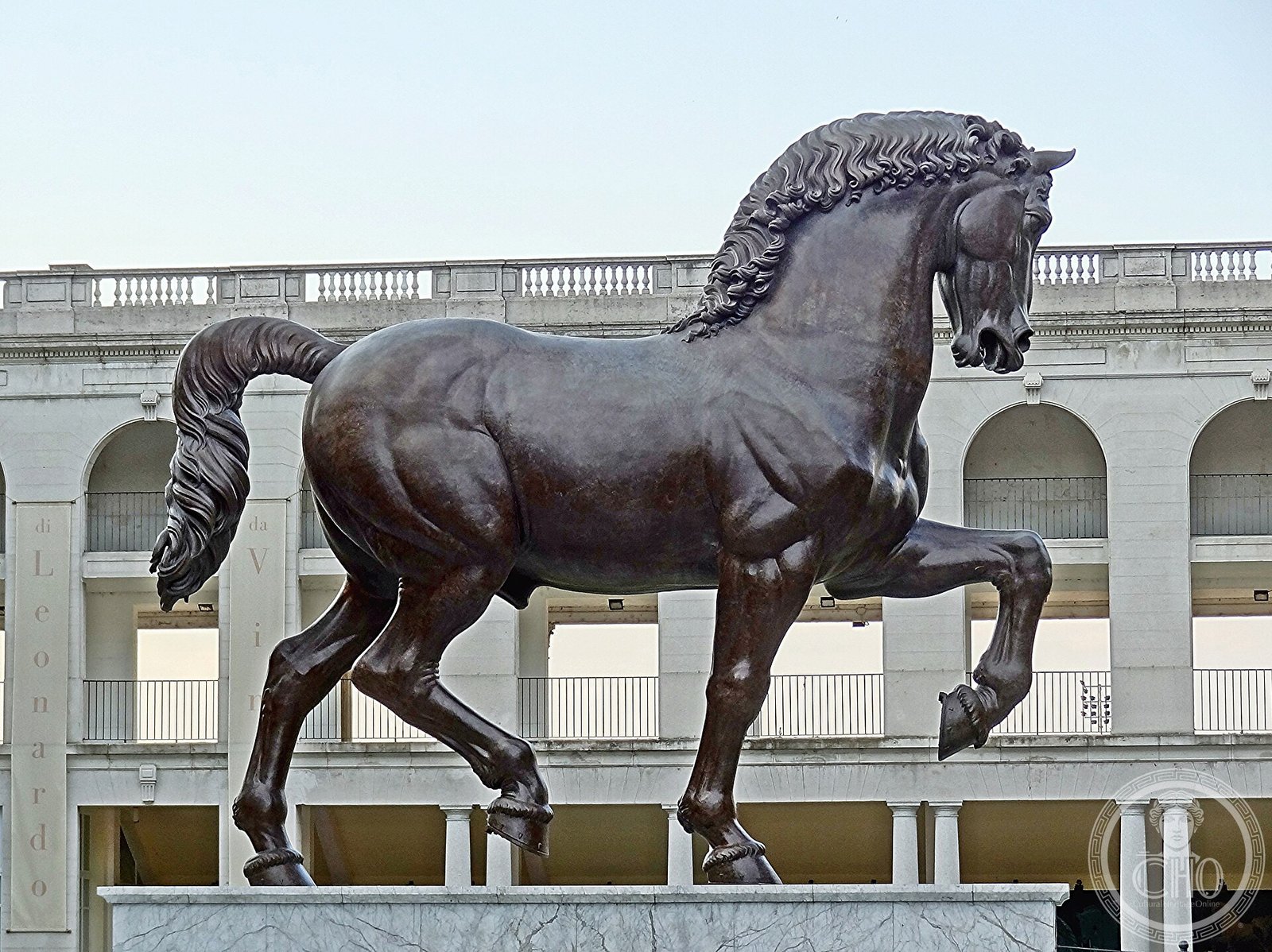
San Siro is a vast district of north-west Milan, part of the Zone 7 administrative division, bordered by the neighbourhoods of Lampugnano, QT8, FieraMilano, and Trenno. Internationally famous as the home of the Giuseppe Meazza Stadium — known worldwide as “San Siro” — the district combines a major 20th-century sports and cultural venue with residential neighbourhoods developed during Milan's post-war urban expansion.
- Address
- Quartiere San Siro / Lampugnano, Zone 7, Milano MI
- Period
- Urban development from early 20th century; stadium built 1925
- Location
- North-west Milan, approximately 5 km from city centre
- Key landmark
- Stadio Giuseppe Meazza (San Siro Stadium, capacity 80,018)
- Coordinates
- 45.4802° N, 9.1300° E
- Notes
- Lampugnano is adjacent to the MM1 Metro terminal and a major long-distance bus hub; the stadium hosts AC Milan and FC Internazionale
At a glance
- Type
- Urban district
- Period
- Major development from 1920s onwards
- Location
- Zone 7, Milan, Lombardy
- Distance from centre
- Approximately 5 km north-west
Overview
San Siro is one of Milan's most recognisable districts, taking its name — shared with the nearby stadium — from an early Christian saint and bishop of Milan. Part of Zone 7, it borders Lampugnano, a separately named neighbourhood that serves as a major transport hub on the western edge of the city. The area is home to a largely residential population and is best known internationally for the Stadio Giuseppe Meazza, which has hosted some of the most important football matches and concerts in European history.
History
The San Siro district developed primarily during the early 20th century as Milan expanded beyond its 19th-century perimeter. The defining event for the area's identity was the construction of the first stadium in 1925, originally built for AC Milan and expanded repeatedly — most dramatically in the 1990 FIFA World Cup preparations — to become one of the largest and most architecturally distinctive stadia in Europe. Lampugnano grew as a distinct neighbourhood alongside the tram and later Metro lines that linked this western zone to central Milan.
What you see
The district is defined by the massive cylindrical form of the Meazza Stadium, its external ramps and towers visible from a considerable distance. Surrounding streets are characterised by mid-century apartment blocks and more recent residential development. The Lampugnano area centres on the Metro MM1 terminal and the large bus interchange (autostation) that serves long-distance coach routes across Italy and Europe. Between the stadium and the motorway, pockets of greenery and sports facilities reflect the area's long association with athletics and leisure.
Cultural significance
The Stadio Giuseppe Meazza (San Siro) is a defining symbol of 20th-century Italian sports culture and one of the most iconic stadia in the world, having hosted World Cup finals, European Cup finals, and concerts by major international artists. The district's heritage is primarily associated with this architectural and sporting monument, which embodies Milan's industrial-era confidence and its enduring passion for football. Cultural Heritage Online has documented San Siro and Lampugnano as part of Milan's 20th-century urban heritage.
Practical information
The Stadio Giuseppe Meazza offers stadium tours. Via Piccolomini 5, 20151 Milan. Tour bookings and match tickets through the official AC Milan and FC Internazionale websites. Lampugnano autostation is open daily as a bus hub. Check official sources for current stadium tour schedules.
Getting there
Metro Line 1 (MM1, red line) runs to Lotto station, a 15-minute walk from the stadium, or to Lampugnano at the western terminus. On match days, bus shuttles operate from the city centre. From central Milan, bus lines 16 and 49 also serve the area. The Lampugnano autostation is directly on the MM1 line.
Sources & resources
See the place
Find it on the map
See this place and what’s around it →Historical events at this place (1)
📷 Become a Cultural Heritage Online photographer
Share your photos of places: they stay published under your name as the author. The more they're seen, the more you get noticed — and soon a contest will reward the most appreciated photos.
Log in or sign up free to add a photo