
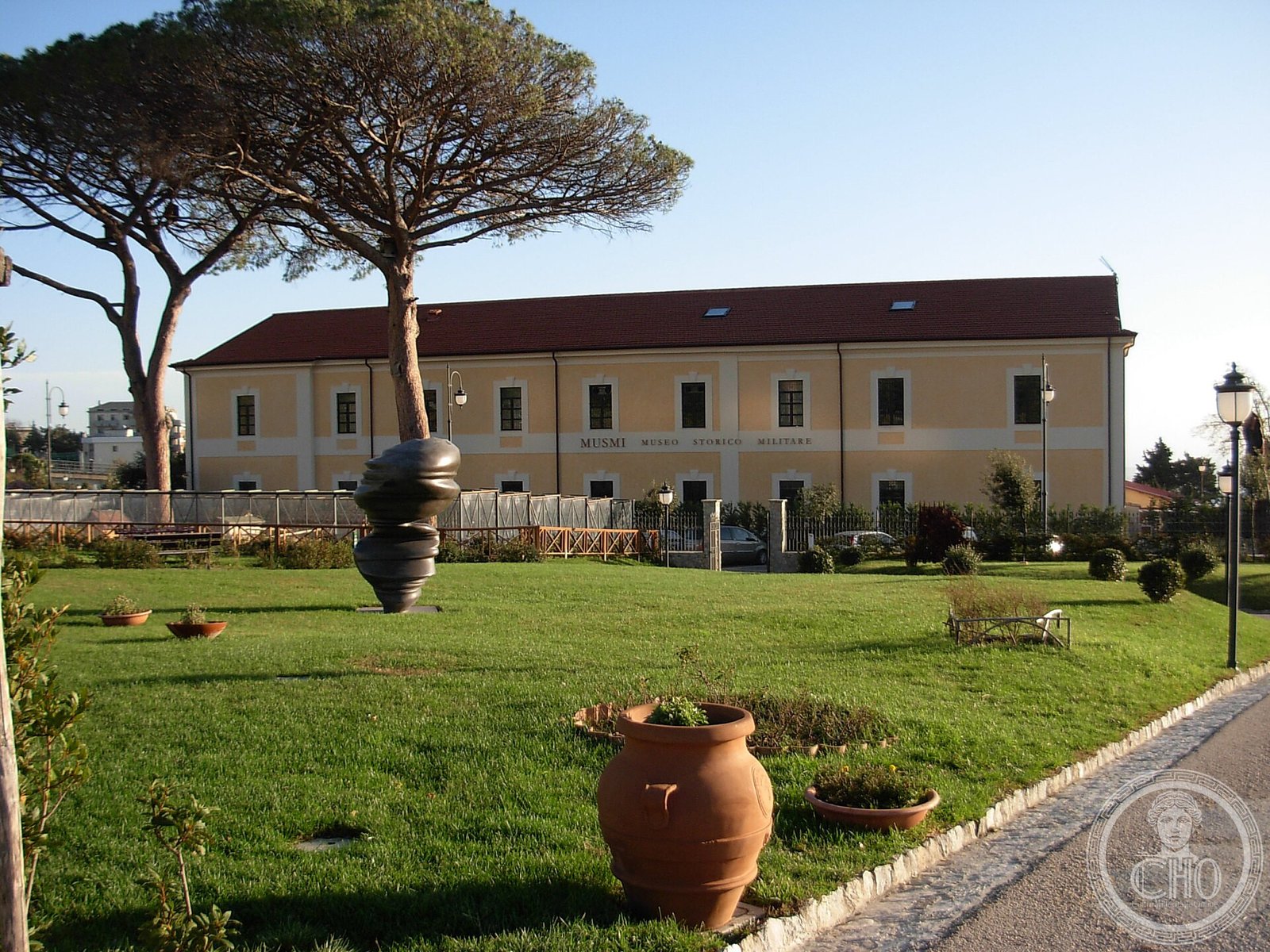
The Mediterranean Biodiversity Park (Parco della Biodiversità Mediterranea) is a public green space and botanical collection in Catanzaro, the regional capital of Calabria in southern Italy. Established to conserve and exhibit the plant and animal diversity characteristic of the Mediterranean basin, the park combines scientific collections with recreational gardens and serves as an environmental education centre for schools and visitors across the region. It is one of southern Italy’s most significant urban nature reserves, covering several hectares in the hillside city of Catanzaro.
At a glance
- Type
- Public botanical park and urban nature reserve
- Period
- Established in the late 20th century; developed progressively as a regional biodiversity hub
- Style
- Landscaped gardens with themed Mediterranean plant collections and zoological exhibits
- Location
- Catanzaro, Calabria, southern Italy
- Coordinates
- 38.9179° N, 16.5813° E
Overview
The Mediterranean Biodiversity Park brings together plant species from the diverse ecosystems of the Mediterranean basin, from coastal macchia and garrigue to the montane forests of Calabria and Sicily. The park hosts collections of native trees, shrubs, and herbaceous plants alongside areas dedicated to medicinal and aromatic species traditionally used in Calabrian culture. As a living museum, it documents the rich biological heritage of a region where three seas — the Tyrrhenian, Ionian, and Adriatic — converge and produce exceptionally varied microclimates.
History
Catanzaro, set on a ridge between the Ionian and Tyrrhenian coasts, has long been a crossroads of Mediterranean cultures and ecosystems. The establishment of the biodiversity park responded to growing awareness in the 1990s and 2000s of the urgent need to preserve Calabria’s threatened native flora, much of which faces pressure from urbanisation and agricultural change. The park was developed with support from Calabria regional authorities and has evolved into a civic institution and a reference point for environmental research in the south.
What you see
Visitors walk through labelled collections of Mediterranean plants — including ancient olive trees, carob, cork oak, wild pear, and endemic Calabrian species — arranged by habitat type. Ponds and water features support native aquatic plants and provide habitat for amphibians and birds. Interpretive panels throughout the park explain the ecological relationships of the Mediterranean biome and the threats facing its biodiversity from climate change and habitat loss.
Cultural significance
The Mediterranean basin is one of only five regions in the world classified as a biodiversity hotspot, and Calabria sits at its ecological heart, where the Italian peninsula reaches its southernmost point. The park serves as a tangible reminder of the botanical and cultural wealth that Mediterranean civilisations have drawn upon for millennia — from ancient Greek and Roman pharmacopoeia to Calabrian agricultural traditions still practised today. Its role as an educational space makes it a vital resource for transmitting this heritage to younger generations.
Practical information
Getting there
Catanzaro is the regional capital of Calabria and is served by the A2 Autostrada del Mediterraneo. The city has a rail connection at Catanzaro Lido station on the Ionian coast, linked to the upper city by a frequent urban rail service. From Catanzaro Lido, the park is reachable by city bus or taxi. The nearest airport is Lamezia Terme (CIY), approximately 35 km west of Catanzaro.
Sources & resources
See the place
Find it on the map
See this place and what’s around it →📷 Become a Cultural Heritage Online photographer
Share your photos of places: they stay published under your name as the author. The more they're seen, the more you get noticed — and soon a contest will reward the most appreciated photos.
Log in or sign up free to add a photo