
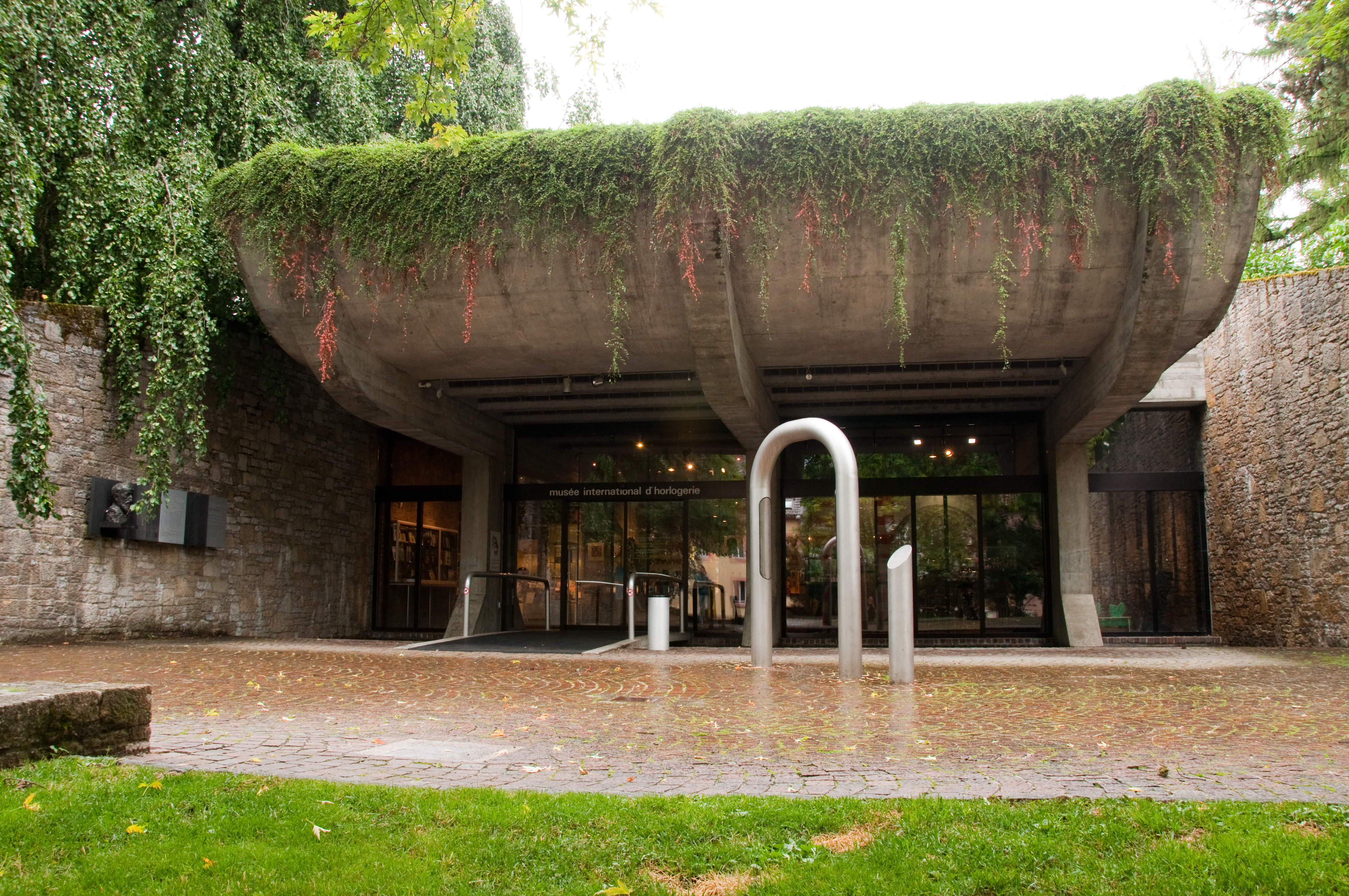
A museum dedicated to the science and art of timekeeping, housed in La Chaux-de-Fonds, a UNESCO-listed watchmaking centre in the Swiss Jura.
At a glance
The Musée International d’Horlogerie (MIH) holds one of the world’s most comprehensive collections of horological instruments. Operated by the city of La Chaux-de-Fonds, it serves as both a research institution and public museum devoted to humanity’s attempts to measure and master time.
History
The museum is rooted in La Chaux-de-Fonds’ legendary status as a watchmaking centre. The city became renowned for precision timekeeping in the 18th and 19th centuries, establishing itself as a capital of horological innovation. The MIH preserves and interprets this legacy for contemporary audiences.
What you see
The museum’s collections span multiple categories of timekeeping devices. Visitors encounter historical clocks and watches, marine and deck chronometers used in navigation, automata—mechanical figures programmed to perform tasks—plus archives and supporting documentation that trace the technical and artistic evolution of horology across centuries.
Cultural significance
La Chaux-de-Fonds remains a global centre for watchmaking tradition and innovation. The museum anchors the city’s identity as a place where craftsmanship, engineering, and design converge. It documents not merely objects, but the intellectual and industrial history that transformed timekeeping from mechanical curiosity into precision science.
Key facts
- Country: Switzerland
- City: La Chaux-de-Fonds
- Coordinates: 47.1008, 6.8301
- Operated by: City of La Chaux-de-Fonds
Practical information & getting there
The museum is located in La Chaux-de-Fonds in the Jura region of northwestern Switzerland. For current opening hours, admission fees, and guided-tour availability, consult the museum’s official channels or local tourism information.
Sources & resources
Find it on the map
See this place and what’s around it →📷 Become a Cultural Heritage Online photographer
Share your photos of places: they stay published under your name as the author. The more they're seen, the more you get noticed — and soon a contest will reward the most appreciated photos.
Log in or sign up free to add a photoIs this page about you?
This page is read by travellers and heritage enthusiasts who find it on Google. Tell us how you are connected to this place and we will take it from there.