
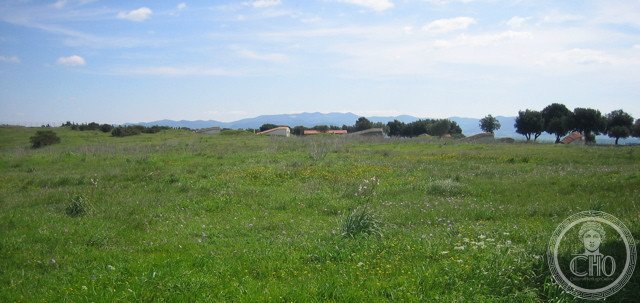
The Necropolis of Tarquinia — centred on the Monterozzi hill east of the ancient city — is one of the most significant Etruscan burial sites in Italy and a UNESCO World Heritage Site since 2004. Its thousands of rock-cut tombs, many decorated with some of the finest ancient painted frescoes surviving anywhere in the Mediterranean world, document Etruscan aristocratic culture across more than five centuries of continuous use.
At a glance
- Type
- Etruscan necropolis (UNESCO World Heritage Site, inscribed 2004)
- Period
- 7th–2nd century BC
- Style
- Rock-cut hypogea with polychrome fresco painting
- Location
- Tarquinia, Province of Viterbo, Lazio, Italy
- Coordinates
- 42.2500° N, 11.7676° E
Overview
Tarquinia is renowned for its extensive Etruscan necropoleis, which contain some of the most important painted tombs of the ancient world, a fact recognised by UNESCO when the site was inscribed as a World Heritage property. The necropolis held thousands of burials reflecting the wealth and sophistication of Tarquinia, one of the dominant cities of the Etruscan League. Its paintings constitute the single most complete surviving body of pre-Roman figurative art in Italy.
History
Tarquinia — formerly known as Corneto — was a major centre of Etruscan power and tradition for centuries, and according to Roman legend gave Rome several of its early kings. Burial activity on the necropolis hills began in the Villanovan period (9th–8th century BC) and intensified through the orientalising, archaic and classical phases of Etruscan culture. Scientific excavation began in the 19th century, revealing decorated chambers that had been sealed for more than two millennia.
What you see
Visitors enter rock-cut chambers whose walls are painted with scenes of banqueting, music-making, athletic contests and hunting, rendered in confident, vivid colours. The Tomb of the Leopards, named for the spotted cats painted above the banquet scene, is among the most visited and reproduced images of Etruscan art. Adjacent to the necropolis, the Museo Nazionale Tarquiniense displays sarcophagi, bronze artefacts, ceramics and the original painted terracotta winged horses from the Ara della Regina sanctuary.
Cultural significance
UNESCO inscription confirms the outstanding universal value of a site that documents the artistic and spiritual life of a civilisation directly ancestral to Roman culture. The Tarquinia necropolis provides irreplaceable primary evidence for Etruscan religion, social structure and the reception of Greek artistic conventions in pre-Roman Italy. Together with Cerveteri it forms a complementary dossier of Etruscan funerary practice inscribed on the World Heritage List.
Practical information
The Necropolis of Tarquinia is managed by the Museo Nazionale Tarquiniense. Tickets are available at the museum (Piazza Cavour, 01016 Tarquinia VT) or on-site. Opening times vary seasonally; check the MiC official website for current hours.
Getting there
Tarquinia station is on the regional Roma Termini–Grosseto line (journey approx. 75 minutes from Rome). Local buses and taxis connect to the town centre and necropolis. By car from Rome, take the A12 motorway to Civitavecchia then the Via Aurelia (SS1) northbound, approximately 90 km in total.
Sources & resources
- UNESCO: Etruscan Necropolises of Cerveteri and Tarquinia
- Museo Nazionale Tarquiniense: museitarquinia.it
- Cultural Heritage Online — Etruscan heritage guides
See the place
Find it on the map
See this place and what’s around it →📷 Become a Cultural Heritage Online photographer
Share your photos of places: they stay published under your name as the author. The more they're seen, the more you get noticed — and soon a contest will reward the most appreciated photos.
Log in or sign up free to add a photo