

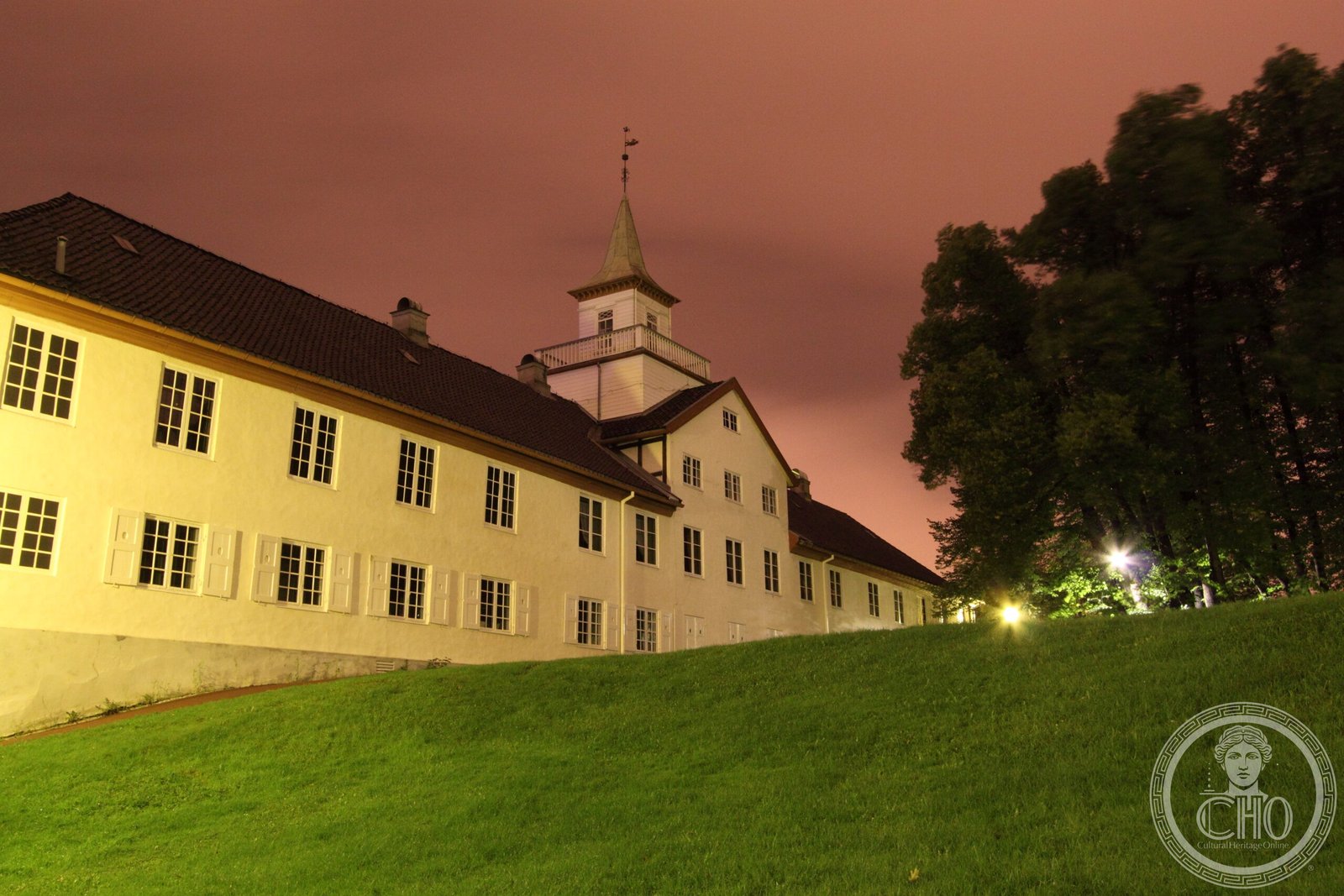
Oslo City Museum (Oslo Bymuseet) is a department of Oslo Museum and is located at Frogner Manor inside Frogner Park (Frognerparken), one of Oslo’s most celebrated urban green spaces. The museum has been part of the unified Oslo Museum organisation since 2006 and documents the history and urban development of the Norwegian capital across more than a thousand years.
At a glance
- Type
- City history museum
- Period
- Collection spans medieval origins of Oslo to the 20th century; Frogner Manor 18th–19th century
- Style
- Neoclassical manor house (Frogner Manor)
- Location
- Frogner Park, Oslo, Norway
Overview
Oslo City Museum occupies Frogner Manor, a distinguished 18th-century estate within the expansive Frogner Park, home also to the famous Vigeland Sculpture Park. As a department of Oslo Museum since 2006, it shares resources and expertise with related city institutions. The museum’s mission is to collect, preserve, and communicate the story of Oslo — from its medieval founding as Christiania through its growth into a modern European capital — for residents and visitors alike.
History
The Frogner estate dates to the medieval period, though the existing manor house was built in the 18th century and later expanded. The property became a museum site in the 20th century, with the city choosing it as the home for urban historical collections due to its central yet park-set location. Oslo itself was founded in the Viking Age — traditionally dated to around 1000 CE — and grew significantly under Danish rule when it was renamed Christiania in 1624 after a fire destroyed the original settlement. The museum traces this long arc of urban change.
What you see
The galleries display maps, photographs, artworks, everyday objects, and archival documents that reconstruct Oslo’s development from a medieval trading town to a modern Nordic capital. Highlights include panoramic historical views of the city, models of urban districts as they appeared in different eras, and displays on the lives of ordinary Osloites across the centuries. The manor building itself is a heritage asset, and the park setting allows the museum experience to extend outdoors into historic gardens.
Cultural significance
As the principal repository of Oslo’s urban memory, the City Museum plays a vital role in helping citizens and visitors understand how the Norwegian capital was shaped by royal decree, fire, industrialisation, occupation, and postwar reconstruction. Its location inside Frogner Park — one of Oslo’s most-visited public spaces — ensures it remains accessible and embedded in contemporary city life.
Practical information
- Address
- Frognerveien 67, 0266 Oslo, Norway (Frogner Park)
- Admission
- Check official website for current prices; Frogner Park itself is free to enter
- Coordinates
- 59.9240° N, 10.7026° E
Getting there
The museum is reachable from central Oslo by tram (lines 12 and 19 to Vigelandsparken) or by bus (routes serving Frogner). The main entrance to Frogner Park on Kirkeveien is roughly 10 minutes’ walk from the tram stop. Cycling is popular, with bike paths running through the park. Combine the visit with the adjacent Vigeland Sculpture Park for a full half-day experience.
Sources & resources
Find it on the map
See this place and what’s around it →📷 Become a Cultural Heritage Online photographer
Share your photos of places: they stay published under your name as the author. The more they're seen, the more you get noticed — and soon a contest will reward the most appreciated photos.
Log in or sign up free to add a photoIs this page about you?
This page is read by travellers and heritage enthusiasts who find it on Google. Tell us how you are connected to this place and we will take it from there.