
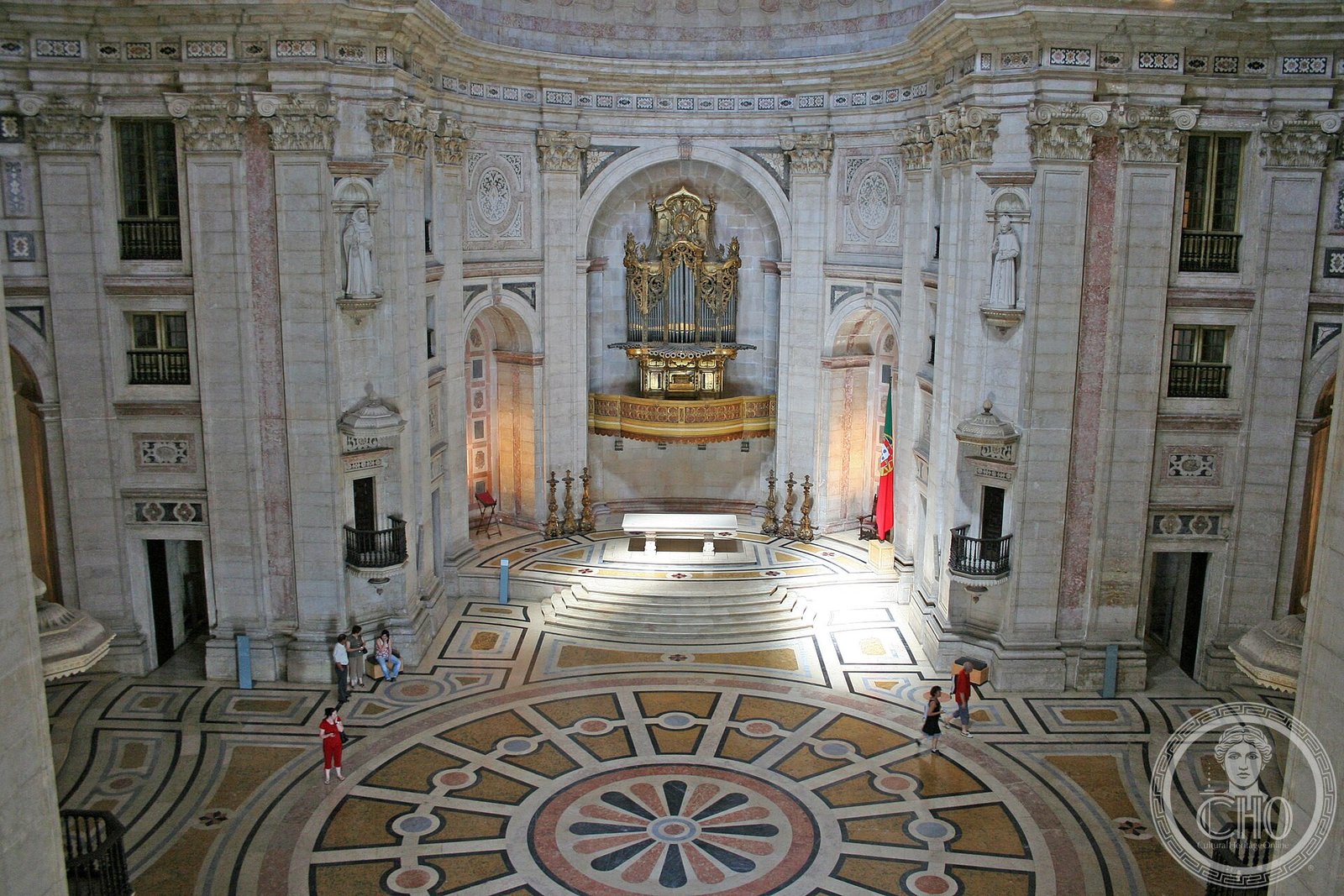
The Igreja de Santa Engrácia is a monumental Baroque church in the Alfama district of Lisbon, Portugal, begun in 1681 and not completed until 1966 — earning it the Portuguese proverb “obras de Santa Engrácia” (works of Santa Engrácia) to describe any seemingly endless undertaking. Since 1966 it has served as Portugal’s National Pantheon, housing the cenotaphs of presidents of the Republic and celebrated national figures including Vasco da Gama and Amália Rodrigues.
At a glance
- Type
- Baroque church / National Pantheon
- Period
- Construction 1681–1966 (285 years)
- Style
- Portuguese Baroque
- Location
- Campo de Santa Clara, Alfama, Lisbon · 38.7150° N, 9.1269° W
Overview
The Igreja de Santa Engrácia dominates the skyline of Lisbon’s oldest neighbourhood, its massive white dome visible from across the Tagus estuary. The church replaced an earlier medieval structure destroyed in 1681 following a sacrilegious theft, and its reconstruction became one of the longest building projects in Portuguese history. Today it functions simultaneously as a consecrated church, a national monument, and the country’s most prestigious secular mausoleum.
History
The original church of Santa Engrácia dated to the 16th century but was demolished in 1681 after the theft of a ciborium from the high altar, an act attributed — without proof — to Simão Pires Solis, who was consequently executed. Construction of the new Baroque church began the same year under architect João Antunes, who designed an innovative Greek-cross plan. Work stalled repeatedly over the following two and a half centuries due to funding shortfalls and political upheaval. The dome was finally completed in 1966 under the Estado Novo government of António de Oliveira Salazar, and the building was immediately converted into the National Pantheon by decree.
What you see
The interior is clad in polychrome marble — rose, grey, and cream — creating one of the most sumptuous Baroque interiors in Portugal. The central space under the drum and dome is flooded with light from large oval windows. Cenotaphs of national heroes line the perimeter: Vasco da Gama, Pedro Álvares Cabral, Luís de Camões, Henry the Navigator, and fado singer Amália Rodrigues are honoured here, though most are symbolic tombs as the actual remains rest elsewhere. The terrace at the base of the dome offers a remarkable 360-degree panorama over Lisbon and the Tagus.
Cultural significance
The church is classified as a National Monument of Portugal and represents the highest expression of the Portuguese Baroque style in a religious setting. Its role as the National Pantheon gives it enormous symbolic weight in Portuguese civic life: state funerals, commemorations, and official ceremonies marking national anniversaries are regularly held within its walls.
Practical information
Address: Campo de Santa Clara, 1100-471 Lisbon, Portugal.
Hours: Tuesday–Sunday 10:00–17:00 (last entry 16:30); closed Mondays and public holidays. Check official website for current schedule.
Admission: Paid entry; free on Sundays until 14:00 for Portuguese citizens.
Getting there
The National Pantheon is located in the Campo de Santa Clara, uphill from the Alfama district. Tram 28E (historic yellow tram) stops at Voz do Operário, approximately 300 metres away. Bus routes 734 and 35 serve Campo de Santa Clara directly. The nearest metro station is Santa Apolónia on the Blue Line, from which it is a 15-minute walk uphill through Alfama.
Sources & resources
See the place
Find it on the map
See this place and what’s around it →📷 Become a Cultural Heritage Online photographer
Share your photos of places: they stay published under your name as the author. The more they're seen, the more you get noticed — and soon a contest will reward the most appreciated photos.
Log in or sign up free to add a photo