
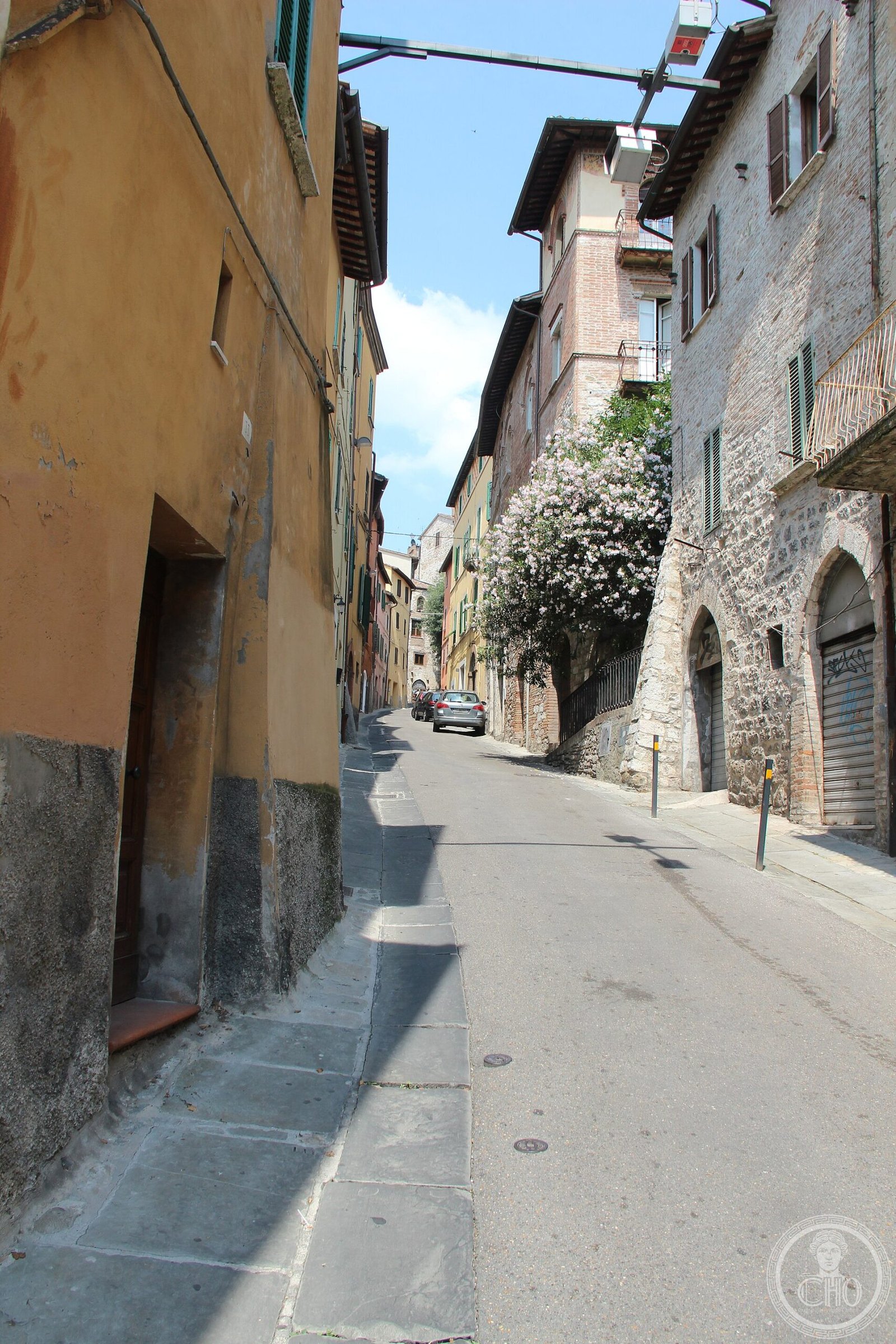
The Marini Clarelli Santi Foundation is a private cultural institution based in Perugia, Umbria, dedicated to the preservation and promotion of the artistic and documentary heritage of the Marini Clarelli Santi noble family. Housed in the family’s historic palazzo in the medieval city centre, the foundation organises exhibitions, scholarly research, and cultural events that connect Perugia’s living aristocratic heritage with contemporary audiences.
At a glance
- Type
- Private cultural foundation and heritage institution
- Period
- Palazzo origins Renaissance period; foundation active 20th–21st century
- Style
- Historic Umbrian palazzo architecture
- Location
- Historic centre, Perugia, Umbria, Italy
- Coordinates
- 43.1125° N, 12.3832° E
Overview
The Marini Clarelli Santi Foundation operates as a custodian of an important strand of Perugia’s noble heritage, preserving artworks, archival materials, and decorative collections that document the family’s centuries-long presence in Umbrian civic and cultural life. The foundation’s activities range from scholarly archival research to public exhibitions and guided visits to the palazzo. It forms part of a broader network of Perugian private foundations that together constitute a significant, if dispersed, layer of the city’s cultural offer beyond the major public museums.
History
The Marini Clarelli Santi family has been a prominent presence in Perugia’s social and cultural landscape for several generations, accumulating over time a significant collection of paintings, furniture, archives, and decorative objects typical of Umbrian aristocratic households from the 17th to the 20th century. The decision to formalise the family’s heritage mission through a foundation structure reflects a broader Italian trend of the late 20th century, in which noble families sought to ensure the long-term preservation of their cultural assets by creating institutional frameworks open to public and scholarly access. The foundation works in coordination with the Umbrian regional heritage authority and local academic institutions.
What you see
The foundation’s palazzo contains a sequence of furnished rooms with paintings, sculpture, and decorative arts spanning the 17th to early 20th centuries, presented in a domestic setting that preserves the atmosphere of an active aristocratic household. Works by Umbrian and central Italian painters figure prominently in the collection, alongside furnishings, ceramics, and family portraits that trace the Marini Clarelli Santi lineage across generations. The archival holdings, accessible to researchers by appointment, include correspondence, estate documents, and rare printed materials.
Cultural significance
Private noble foundations such as the Marini Clarelli Santi institution play an important role in the Italian cultural ecosystem, preserving categories of material culture — aristocratic domestic interiors, family archives, minor masters of regional schools — that fall outside the scope of major public collections. In Perugia, a city already rich in public museums (Galleria Nazionale dell’Umbria, Museo Archeologico Nazionale), these private foundations extend the range and depth of what visitors and researchers can encounter. The Marini Clarelli Santi Foundation contributes specifically to knowledge of Umbrian cultural life from the early modern period to the 20th century.
Practical information
- Address
- Historic centre, Perugia PG, Italy — check the official foundation website for the precise address and current visiting arrangements
- Hours
- By appointment and during special openings; check official website
Getting there
Perugia’s historic centre is accessible via the Minimetrò funicular from Pian di Massiano, which connects with intercity buses and regional rail services at the Sant’Anna station. By car from the A1 motorway, exit at Valdichiana and follow the E45 toward Perugia; peripheral car parks with escalators to the historic centre are well signposted. The foundation is within walking distance of the Fontana Maggiore and the main Corso Vannucci.
Sources & resources
See the place
Find it on the map
See this place and what’s around it →📷 Become a Cultural Heritage Online photographer
Share your photos of places: they stay published under your name as the author. The more they're seen, the more you get noticed — and soon a contest will reward the most appreciated photos.
Log in or sign up free to add a photoIs this page about you?
This page is read by travellers and heritage enthusiasts who find it on Google. Tell us how you are connected to this place and we will take it from there.