
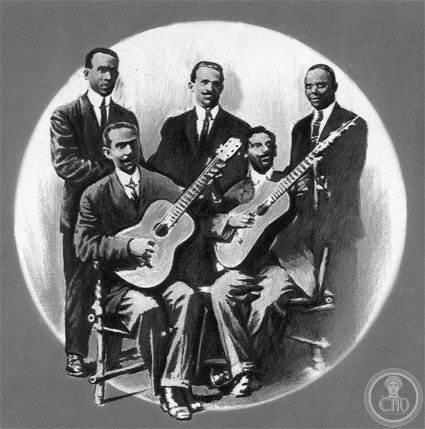
A genre of romantic song born in late-19th-century eastern Cuba, bolero transformed folk poetry into the quintessential Latin American love song of the twentieth century, spreading from trovador guitars to concert halls and radio stations worldwide.
At a glance
Bolero is a sophisticated vocal tradition originating in Santiago de Cuba around 1883. Unlike the older Spanish dance bearing the same name, this genre emerged from the trova movement—a school of romantic folk poetry sung by troubadours, or trovadores, accompanying themselves on guitar. The form gained international reach through ensemble arrangements, radio broadcasts, and orchestral interpretations, becoming embedded in popular music across Latin America, Spain, the United States, and beyond.
Origins & history
Pepe Sánchez, a trovador from Santiago de Cuba, is credited as the father of bolero and composer of “Tristezas” (1883), the genre’s first song. Rather than stemming from European operatic traditions that dominated urban centers like Havana, bolero arose as an independent expression of romantic sentiment among a new generation of Cuban troubadours. The form evolved from solo trovador performances into ensemble settings—dúos, tríos, and cuartetos—eventually reaching concert stages and cabarets.
The filin movement, emerging in Havana and named from the English word “feeling,” became a creative hotbed where many enduring bolero compositions were written and popularized through radio and cabaret performances by singers such as Olga Guillot and Elena Burke. Groups like Trío Matamoros and Trío Los Panchos proved instrumental in spreading bolero throughout Latin America, the United States, and Spain during the mid-20th century.
The practice
Bolero songs are typically composed in 4/4 time and feature lyrics of emotional sophistication and poetic depth, predominantly exploring themes of love and longing. A trovador or vocalist delivers these narratives with intimate phrasing, traditionally accompanied by acoustic guitar or, in ensemble and orchestral contexts, by strings, brass, and rhythm sections.
The genre’s musical flexibility has enabled it to merge with other Cuban and Spanish traditions—Cuban son, rumba, Spanish copla, and flamenco—spawning hybrid forms such as bolero-son (popular in the 1930s–1940s) and bolero-cha (popular in the 1950s). In the United States, the rhumba ballroom dance emerged as a choreographic adaptation of the bolero-son during the 1930s. The practice remains rooted in the human voice and the craft of lyric composition, emphasizing emotional authenticity over technical virtuosity.
Cultural significance
Bolero represents a distinctive Cuban contribution to world popular music—a form that elevated romantic folk expression to an art of refined lyricism and emotional communication. Its reach extended far beyond its birthplace: bolero records distributed via the G.V. Series reached African musicians in cities from Kinshasa to Dakar, enriching the rumba repertoire across the continent. In Vietnam, the genre became fashionable in South Vietnam before 1975 and retains popularity among Vietnamese music lovers today.
The practice embodies the trovador tradition of personal storytelling and the broader Latin American commitment to love as a legitimate subject of artistic expression.
Key facts
- Originated in Santiago de Cuba in the late 19th century, with “Tristezas” (1883) recognized as the first bolero
- UNESCO Intangible Cultural Heritage inscription: 2018
- Shared by Cuba and Mexico
- Reference number: 01990
- Musical form: typically 4/4 time; flexible enough to merge with son, rumba, copla, and flamenco traditions
- Primary performers historically include trovadores, singer-songwriters, and ensemble vocalists
Where to experience it
Santiago de Cuba remains the heartland of bolero tradition. The genre continues to thrive in concert halls, radio broadcasts, and recorded music throughout Cuba and the Caribbean. Bolero is performed globally by contemporary artists and remains central to romantic music repertoires in Spain, Mexico, and across Latin America.
Sources & resources
- Bolero — Wikipedia
- Bolero: Identity, emotion and poetry turned into song — UNESCO Intangible Cultural Heritage
- Cultural Heritage Online
Find it on the map
See this place and what’s around it →📷 Become a Cultural Heritage Online photographer
Share your photos of places: they stay published under your name as the author. The more they're seen, the more you get noticed — and soon a contest will reward the most appreciated photos.
Log in or sign up free to add a photo