
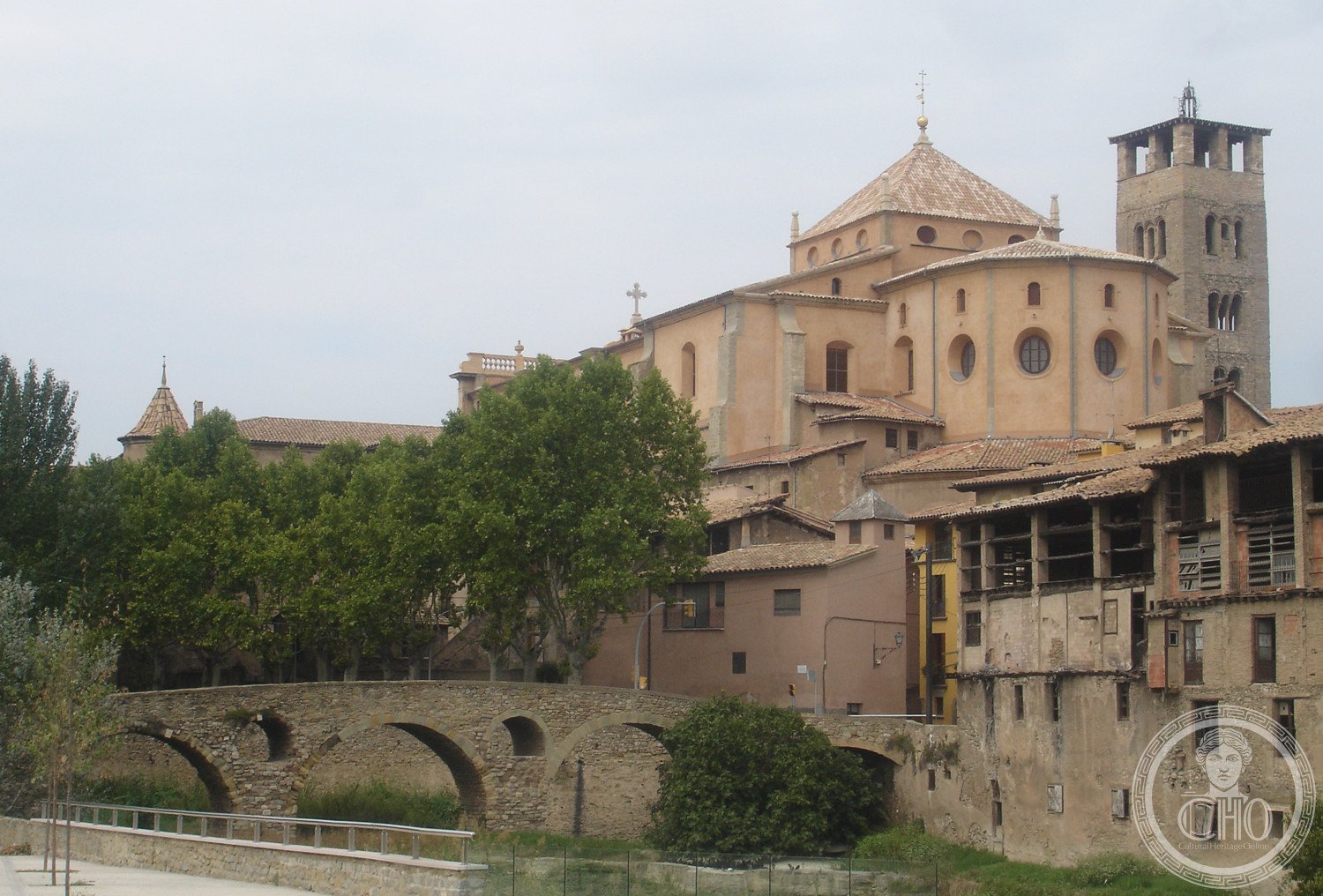
The seat of the Diocese of Vic, this Catalan cathedral blends Romanesque, Gothic, Baroque and Neoclassic elements across centuries of construction and renewal.
At a glance
Vic Cathedral, officially the Cathedral of Sant Pere Apòstol (St. Peter the Apostle), dominates the spiritual and architectural landscape of this medieval Catalan city. Its layered aesthetic reflects multiple building campaigns and changing tastes across medieval and early modern periods.
History
The cathedral has served as the principal church of the Diocese of Vic since its establishment. Multiple reconstructions and renovations incorporated successive architectural styles, transforming the building from its original Romanesque form through Gothic refinement, Baroque ornamentation, and Neoclassical restraint.
What you see
The cathedral’s exterior and interior showcase a rich architectural palimpsest. Romanesque foundations anchor the structure, while Gothic details enliven the design. Baroque elements add theatrical richness, and Neoclassical interventions brought refined geometric order to the composition.
Cultural significance
As the diocesan seat and a major Catalan religious monument, Vic Cathedral embodies the spiritual continuity and artistic ambitions of the region. Its stylistic diversity illustrates how medieval and early modern builders adapted and reinterpreted sacred space across generations.
Key facts
- Location: Vic, Catalonia, Spain
- Coordinates: 41.92805556°N, 2.25555556°E
- Ecclesiastical status: Seat of the Diocese of Vic
- Architectural styles: Romanesque, Gothic, Baroque, Neoclassic
Practical information & getting there
Vic is located in central Catalonia, about 70 kilometres northwest of Barcelona. The cathedral stands in the city centre and is accessible by train and car. Check locally for current visiting hours and any religious observances that may affect access.
Sources & resources
Find it on the map
See this place and what’s around it →📷 Diventa un fotografo di Cultural Heritage Online
Condividi le tue foto dei luoghi: restano pubblicate con la tua firma come autore. Più vengono viste, più ti fai conoscere — e presto un concorso premierà le foto più apprezzate.
Accedi o registrati gratis per aggiungere una fotoDo you manage this place?
This page is read by travellers and heritage enthusiasts who find it on Google. Keep it accurate — and make it work for you. Free for non-profit heritage institutions.