
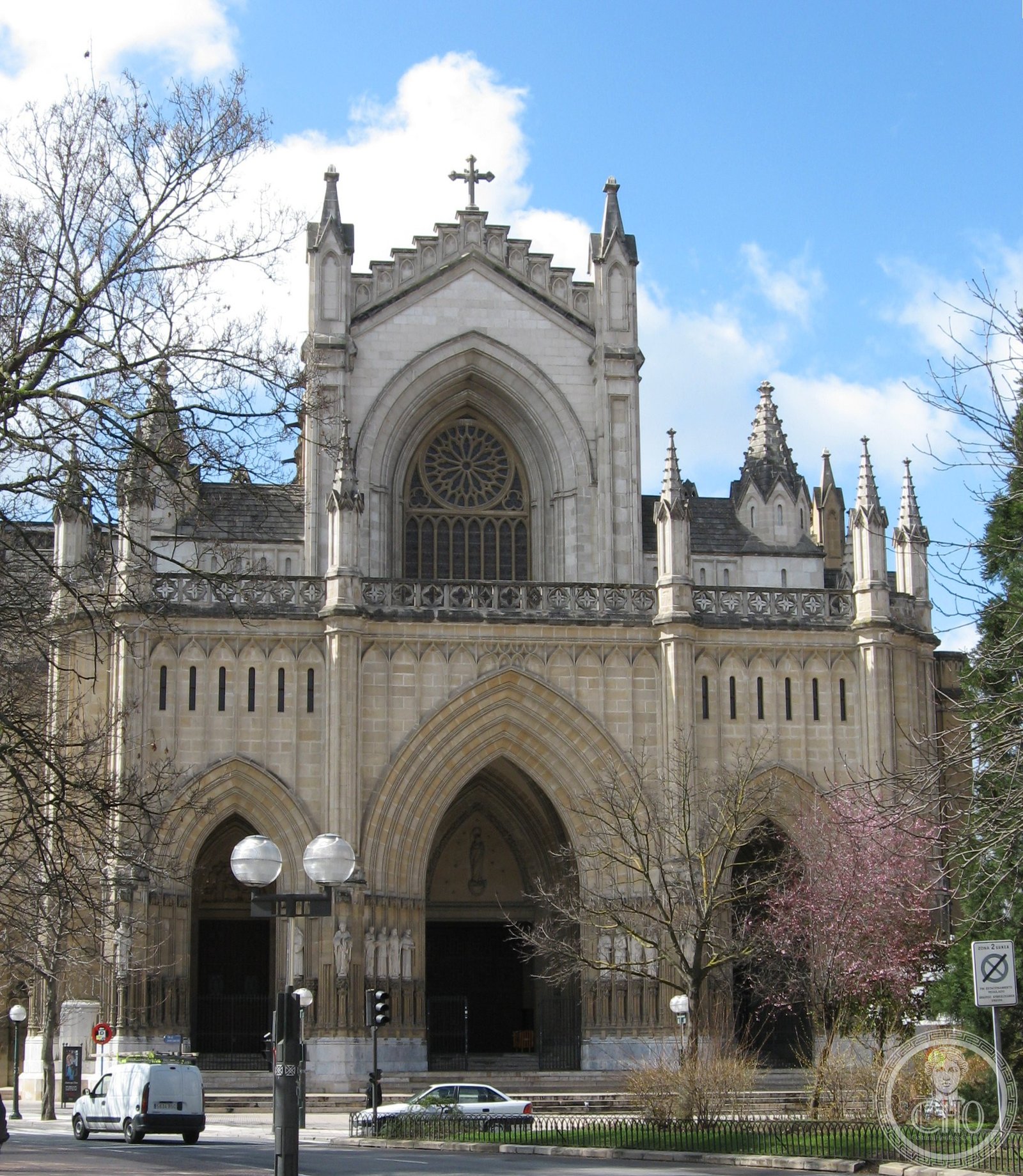
A striking Neogothic cathedral rising above the Basque city of Vitoria-Gasteiz, completed in the first half of the twentieth century as a statement of faith and architectural ambition.
At a glance
Known colloquially as the New Cathedral to distinguish it from earlier ecclesiastical structures in the city, this Roman Catholic cathedral embodies the Neogothic style—a nineteenth and twentieth-century movement that revived medieval Gothic forms. The cathedral dominates its urban setting in Vitoria-Gasteiz, the capital of the Basque Country.
History
Construction took place during the first half of the twentieth century, a period of significant architectural renewal across Spain. The cathedral’s development reflects the religious and cultural identity of Vitoria-Gasteiz during this transformative era.
What you see
The cathedral exemplifies Neogothic design principles, drawing inspiration from medieval cathedral architecture. Pointed arches, soaring vertical lines, and ornamental stone work characterize the exterior. The style represents an architectural philosophy that valued historical continuity and spiritual grandeur.
Cultural significance
The Cathedral of María Inmaculada serves as both a religious centre and an architectural landmark for Vitoria-Gasteiz. Its prominence in the cityscape reflects the enduring importance of Catholic heritage in the Basque region. The building stands as a testament to early twentieth-century ecclesiastical architecture in Spain.
Key facts
- Country: Spain
- City: Vitoria-Gasteiz, Basque Country
- Coordinates: 42.8454, −2.6776
- Architectural style: Neogothic
- Construction period: First half of the 20th century
Practical information & getting there
The cathedral is located in central Vitoria-Gasteiz. For current opening hours, Mass times, and visitor information, consult local tourism resources or the cathedral directly. The city is accessible by rail and road from major Spanish centres.
Sources & resources
Find it on the map
See this place and what’s around it →📷 Become a Cultural Heritage Online photographer
Share your photos of places: they stay published under your name as the author. The more they're seen, the more you get noticed — and soon a contest will reward the most appreciated photos.
Log in or sign up free to add a photoIs this page about you?
This page is read by travellers and heritage enthusiasts who find it on Google. Tell us how you are connected to this place and we will take it from there.