
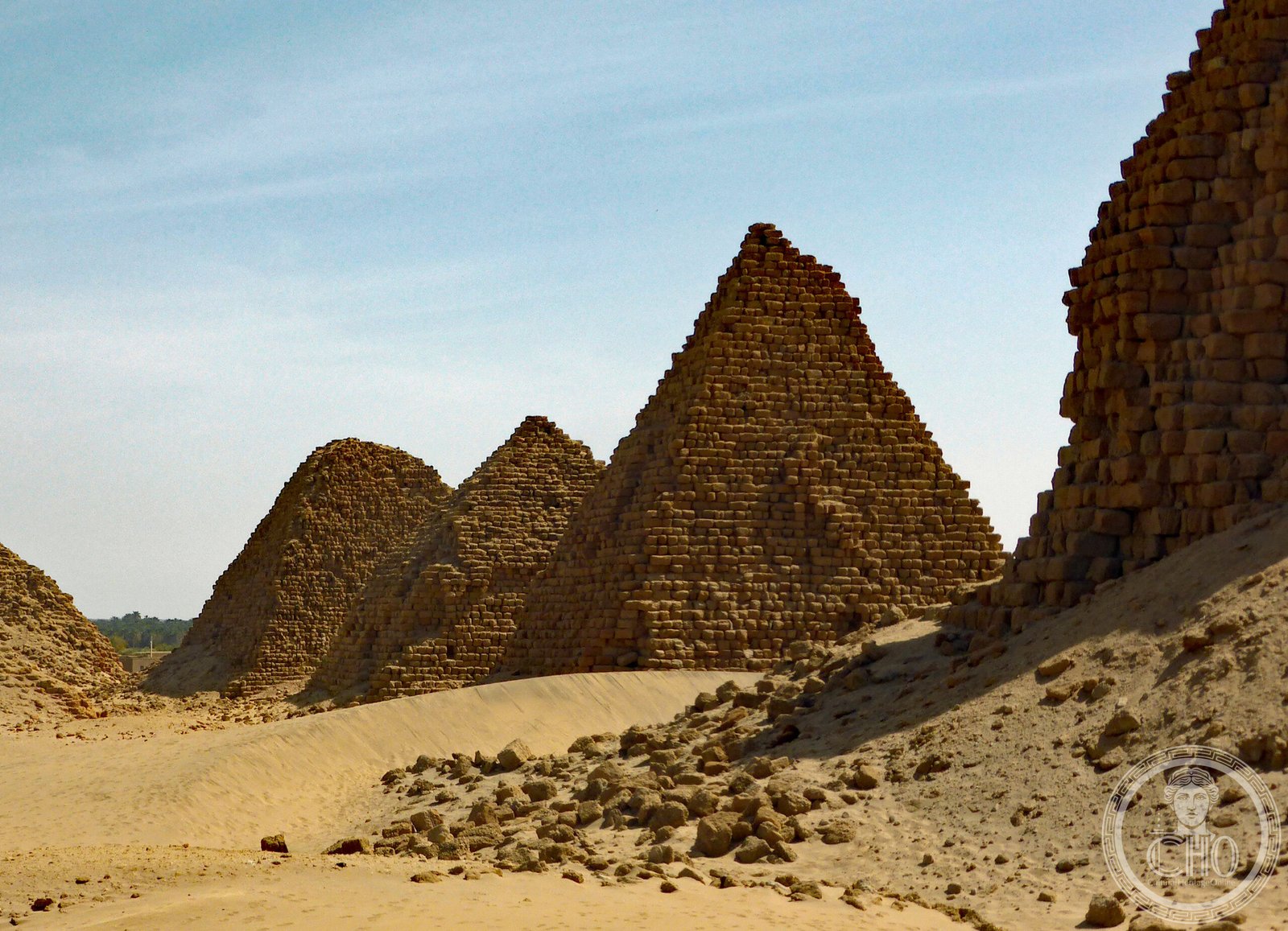
An ancient Nubian necropolis on the west bank of the Nile, Nuri stands as a testament to the royal burial traditions of the Napata period, positioned strategically in northern Sudan near one of the river’s most dramatic natural features.
At a glance
Nuri is an ancient cemetery site in northern Sudan, located approximately 15 kilometers north of Sanam and 10 kilometers from the sacred mountain of Jebel Barkal. The necropolis lies on the west bank of the Nile River, near the Fourth Cataract, in a region historically central to Nubian civilization.
History
Nuri dates to the Napata period, a crucial era in Nubian history when the kingdom emerged as a major power in the northeastern African interior. The site reflects the royal burial practices and cultural priorities of this civilization during its development as a distinct political and cultural force in the region.
What you see
The site comprises an ancient necropolis with burial structures characteristic of the Napata period. Further details about specific monuments and architectural features at Nuri would benefit from on-site documentation and archaeological reports.
Cultural significance
Nuri represents the funerary traditions and royal practices of one of antiquity’s most important African kingdoms. Its position near Jebel Barkal—a site of profound religious significance in Nubian culture—suggests the ceremonial importance of the Nuri region within the broader sacred landscape.
Key facts
- Country: Sudan
- Coordinates: 18.56°N, 31.92°E
- Location: West bank of the Nile River, near the Fourth Cataract
- Distance from Jebel Barkal: approximately 10 km
- Period: Napata
Practical information & getting there
Nuri is accessible from Khartoum via northern Sudan. The site lies in a remote region; visitors should arrange travel carefully and check current conditions and any permits required for archaeological sites in Sudan.
Sources & resources
Find it on the map
See this place and what’s around it →📷 Become a Cultural Heritage Online photographer
Share your photos of places: they stay published under your name as the author. The more they're seen, the more you get noticed — and soon a contest will reward the most appreciated photos.
Log in or sign up free to add a photoIs this page about you?
This page is read by travellers and heritage enthusiasts who find it on Google. Tell us how you are connected to this place and we will take it from there.