
Half Moon Caye
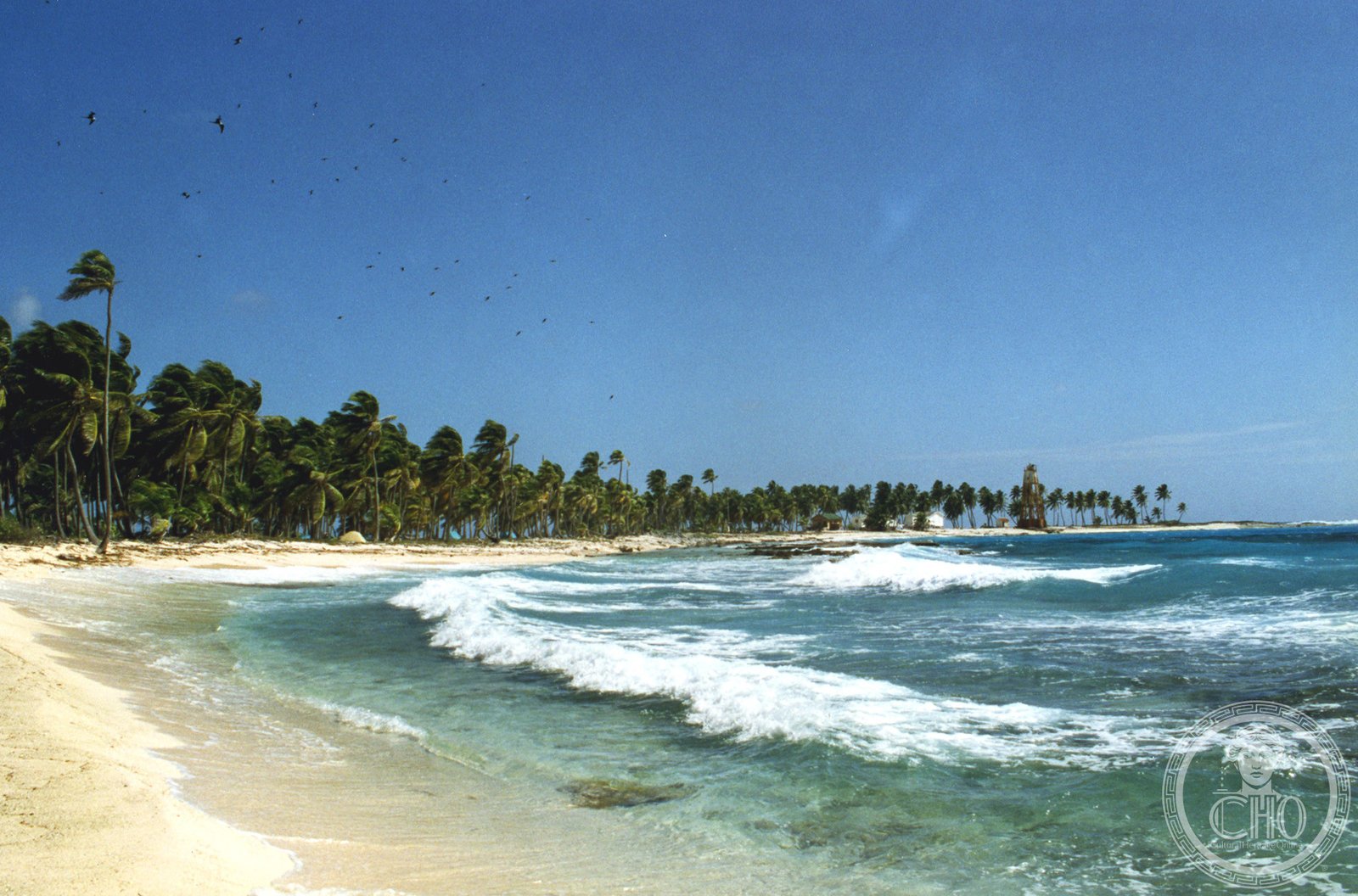
A crescent-shaped island and natural monument at the southeastern edge of Lighthouse Reef Atoll, Half Moon Caye holds distinction as Belize’s first marine protected area and Central America’s pioneering conservation site.
At a glance
Half Moon Caye is an island sanctuary within Lighthouse Reef Atoll. It represents a milestone in Caribbean environmental protection and remains a vital refuge for endemic bird populations.
History
The island was first designated as a bird sanctuary in 1924, establishing Belize’s oldest site of wildlife protection. In 1981, it became the first nature reserve established under Belize’s National Park Systems Act, marking a turning point for environmental law in the nation. This designation also made it the first marine protected area in Central America—a pioneering conservation achievement for the entire region.
What you see
Half Moon Caye is a natural formation shaped like a crescent. The island’s landscape supports distinct ecosystems adapted to its marine and terrestrial environments.
Cultural significance
The caye holds profound ecological importance as the protected habitat of red-footed booby birds. Its designation as Belize’s first nature reserve under formal legislation elevated conservation standards across the nation and inspired marine protection efforts throughout Central America.
Key facts
- Country: Belize
- Location: Southeast corner of Lighthouse Reef Atoll
- Coordinates: 17.2047, −87.5364
- Designated bird sanctuary: 1924
- First nature reserve under National Park Systems Act: 1981
- First marine protected area in Central America: 1981
Practical information & getting there
Half Moon Caye is accessible by boat from mainland Belize. Visitors should plan boat transport in advance and check conditions before traveling to this offshore site.
Sources & resources
Find it on the map
See this place and what’s around it →📷 Diventa un fotografo di Cultural Heritage Online
Condividi le tue foto dei luoghi: restano pubblicate con la tua firma come autore. Più vengono viste, più ti fai conoscere — e presto un concorso premierà le foto più apprezzate.
Accedi o registrati gratis per aggiungere una fotoDo you manage this place?
This page is read by travellers and heritage enthusiasts who find it on Google. Keep it accurate — and make it work for you. Free for non-profit heritage institutions.