
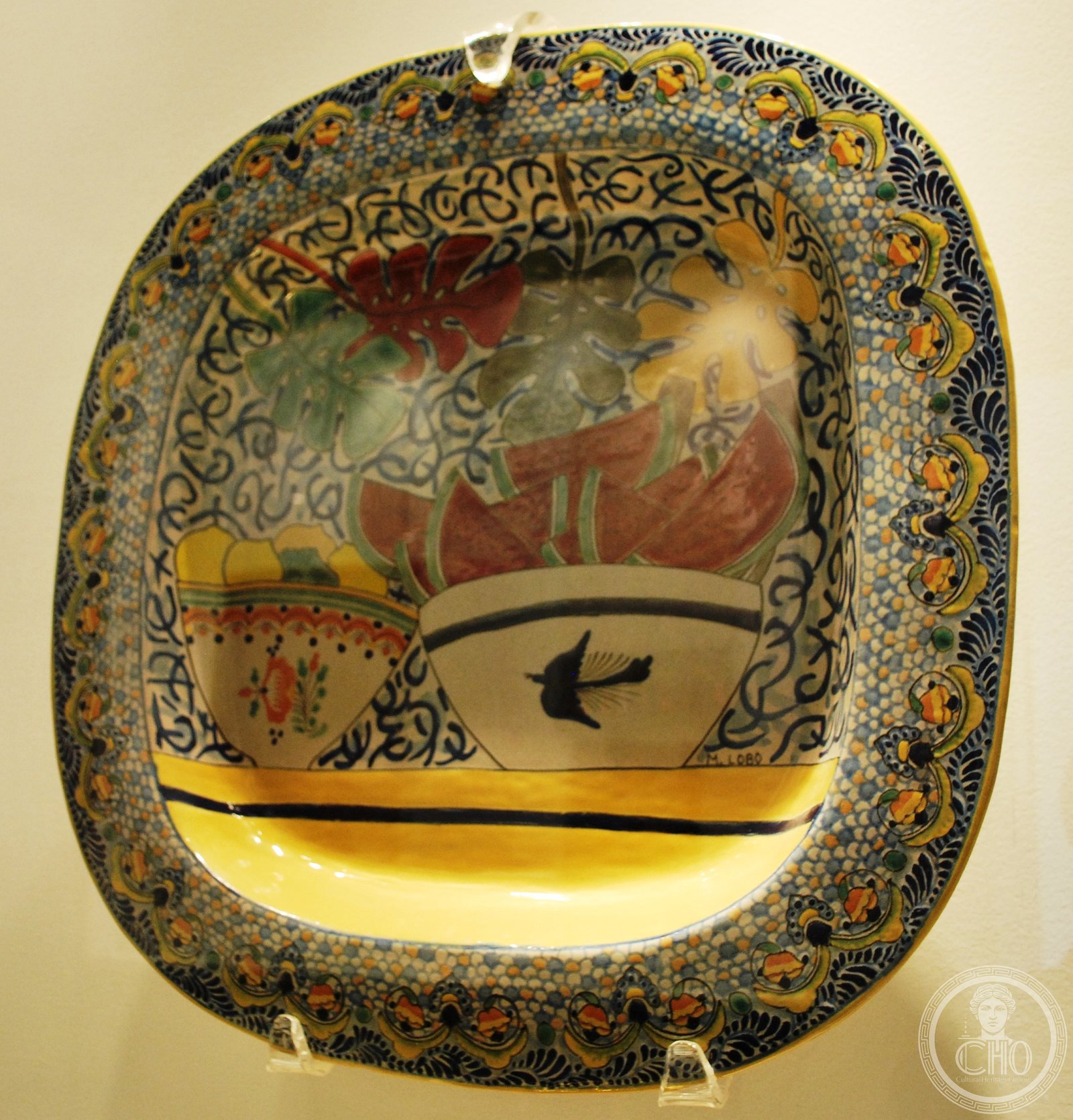
Artisanal Talavera Ceramics
In the highlands of central Mexico, potters continue a five-hundred-year tradition of hand-painted tin-glazed earthenware, blending Spanish, Italian, and indigenous techniques into distinctive majolica vessels that once adorned colonial churches and still define regional identity.
At a glance
Talavera pottery is a type of majolica, or tin-glazed earthenware, characterized by a white base glaze and hand-painted decoration. The tradition remains centered in the cities of Puebla, Atlixco, Cholula, and Tecali in Puebla state, and the town of San Pablo del Monte in Tlaxcala. Both regions benefit from naturally occurring fine clays ideal for ceramic production.
Origins and history
Spanish conquistadors and missionaries introduced majolica pottery to Mexico in the sixteenth century. Puebla quickly became the hemisphere’s leading center for the craft, driven by abundant high-quality clay deposits and urgent demand from newly built churches and monasteries. The tradition synthesized European majolica methods with Italian and indigenous ceramic practices, creating a distinctly Mexican aesthetic.
The “golden age” of Talavera Poblana flourished from 1650 to 1750, when the industry had matured enough to establish formal guilds and production standards that elevated quality across the region. Independence from Spain in the early nineteenth century devastated the craft; fewer than eight workshops survived in Puebla by mid-century. Revival efforts by twentieth-century artists and collectors gradually restored both production and prestige.
The tradition today
Contemporary artisans continue to hand-paint tiles, vessels, and decorative pieces using methods traceable to the sixteenth century. Early designs favored blue monochrome, but palettes now include yellow, black, green, orange, and mauve. The 1997 Denominación de Origen de la Talavera law protects authentic pieces made with traditional techniques, distinguishing genuine Talavera from industrial imitations.
New decorative designs introduced in recent decades have attracted contemporary collectors while sustaining the economic viability of family workshops. The craft remains fundamentally manual—each piece is shaped, dried, glazed, hand-painted, and fired individually.
Cultural significance
Talavera pottery embodies centuries of cultural exchange between Europe and the Americas. It represents the survival of artisanal skill against industrial displacement and economic disruption. The tradition anchors community identity across Puebla and Tlaxcala, connecting contemporary makers to their colonial-era predecessors.
Museums in Puebla, Mexico City, and New York City hold significant Talavera collections, testament to the ware’s historical and aesthetic importance. UNESCO recognition in 2019 acknowledged the tradition’s role in global intangible cultural heritage.
Key facts
- Country: Mexico
- Primary locations: Puebla (city, Atlixco, Cholula, Tecali) and San Pablo del Monte, Tlaxcala
- Material: Tin-glazed earthenware (majolica) with white base glaze
- Origins: Sixteenth century; Spanish colonial introduction
- UNESCO Intangible Cultural Heritage: Representative List, 2019 (jointly with Spanish Talavera de la Reina tradition)
- Peak period: 1650–1750 (“golden age”)
- Protection: Denominación de Origen de la Talavera (1997)
Where to experience it
You can visit active workshops and showrooms throughout Puebla city and smaller production centers in Atlixco, Cholula, and San Pablo del Monte. Major museums—including institutions in Puebla and Mexico City—display historical and contemporary pieces. The Puebla Cathedral and nearby colonial churches feature Talavera tilework and architectural ornamentation.
Sources & resources
- Wikipedia: Artisanal Talavera of Puebla and Tlaxcala
- UNESCO Intangible Cultural Heritage: Artisanal Talavera ceramics making process
- Cultural Heritage Online
Find it on the map
See this place and what’s around it →📷 Diventa un fotografo di Cultural Heritage Online
Condividi le tue foto dei luoghi: restano pubblicate con la tua firma come autore. Più vengono viste, più ti fai conoscere — e presto un concorso premierà le foto più apprezzate.
Accedi o registrati gratis per aggiungere una foto