
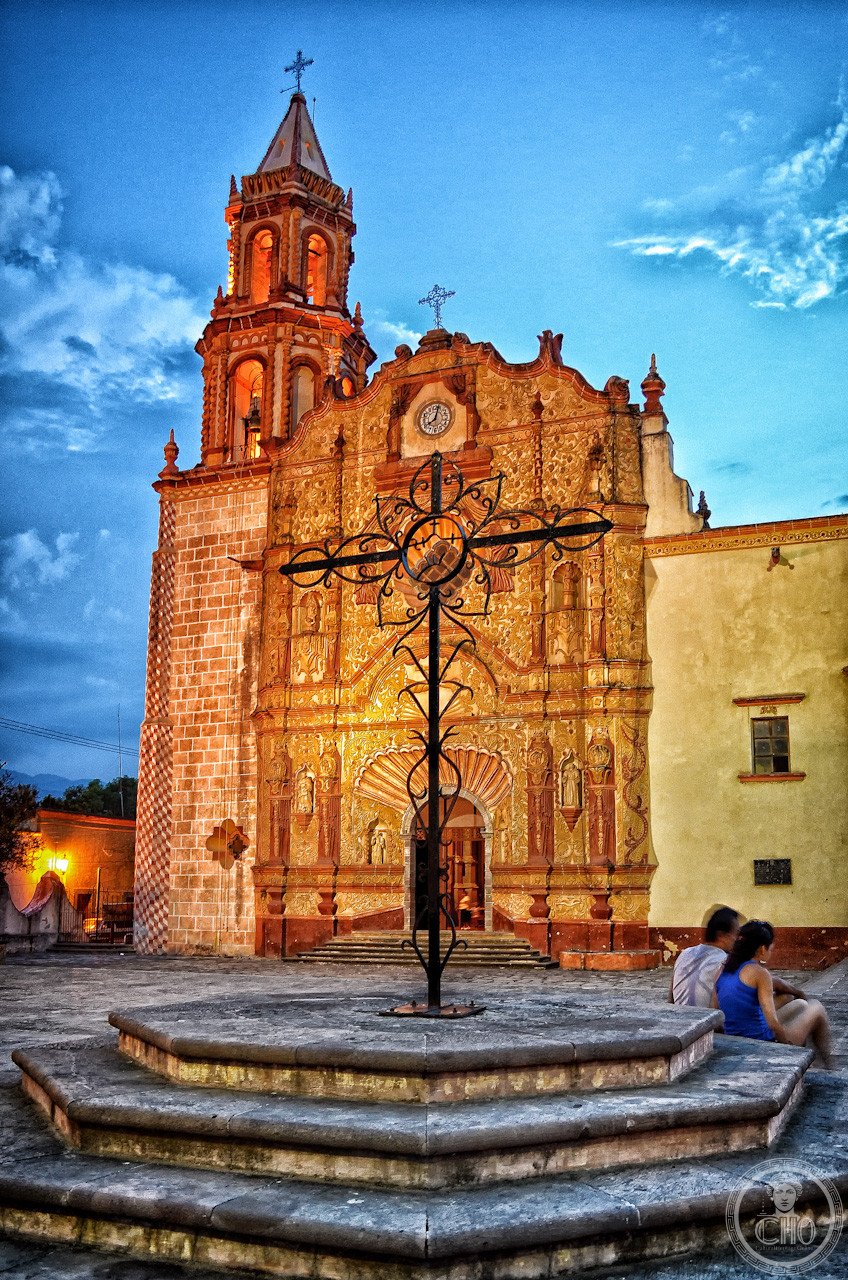
Five interconnected missions built between 1750 and 1760, these complexes represent a pinnacle of New Spain Baroque architecture and the cultural exchange that defined colonial Mexico.
At a glance
A UNESCO World Heritage Site since 2003, the five missions exemplify architectural and stylistic unity across the mountainous Sierra Gorda region. Their tempera paintings rank among the finest expressions of popular Baroque art in colonial New Spain. Each mission served as both a spiritual and administrative center for evangelization and community life.
History
The foundation of these missions is attributed to Junípero Serra, the Franciscan friar who would later establish the most significant mission chain in California. Between 1750 and 1760, the five complexes rose across the remote Sierra Gorda, bringing together indigenous populations and Spanish colonial authority. The missions functioned as instruments of religious conversion and cultural integration during a transformative period in Mexican history. Serra’s work here laid groundwork for his subsequent California endeavors, establishing patterns of mission architecture and community organization that would influence the American Southwest.
What you see
The missions display remarkable architectural consistency across five separate sites. Their façades exemplify New Spain Baroque, featuring ornate stone carving and detailed decorative programs. Interior spaces showcase tempera paintings that merge indigenous artistic traditions with European religious iconography—among the finest examples of this artistic synthesis. The decorative programs and structural design reflect both Spanish colonial ambition and indigenous craftsmanship, creating a distinctive regional aesthetic.
Cultural significance
These missions stand as testimony to the profound cultural exchange that occurred during colonization—both across central and northern Mexico and extending into present-day United States territory. Their artistic and architectural vocabulary bridges two worlds, documenting the meeting of indigenous and European traditions. UNESCO recognition affirmed their importance as documents of a transformative historical moment.
Key facts
- Location: Sierra Gorda, Querétaro, Mexico
- Coordinates: 21.204°N, 99.464°W
- Built: 1750–1760
- Founded by: Attributed to Junípero Serra
- UNESCO World Heritage Site: Inscribed 2003
- Composition: Five interconnected mission complexes
Practical information & getting there
The five missions are distributed across the Sierra Gorda region near Querétaro in central Mexico. Plan visits to multiple sites to fully appreciate the architectural and decorative program. Local guides provide essential context for understanding the missions’ historical and artistic significance. Contact information and seasonal accessibility details are available through Mexico’s tourism ministry and UNESCO World Heritage resources.
Sources & resources
Find it on the map
See this place and what’s around it →📷 Become a Cultural Heritage Online photographer
Share your photos of places: they stay published under your name as the author. The more they're seen, the more you get noticed — and soon a contest will reward the most appreciated photos.
Log in or sign up free to add a photo