
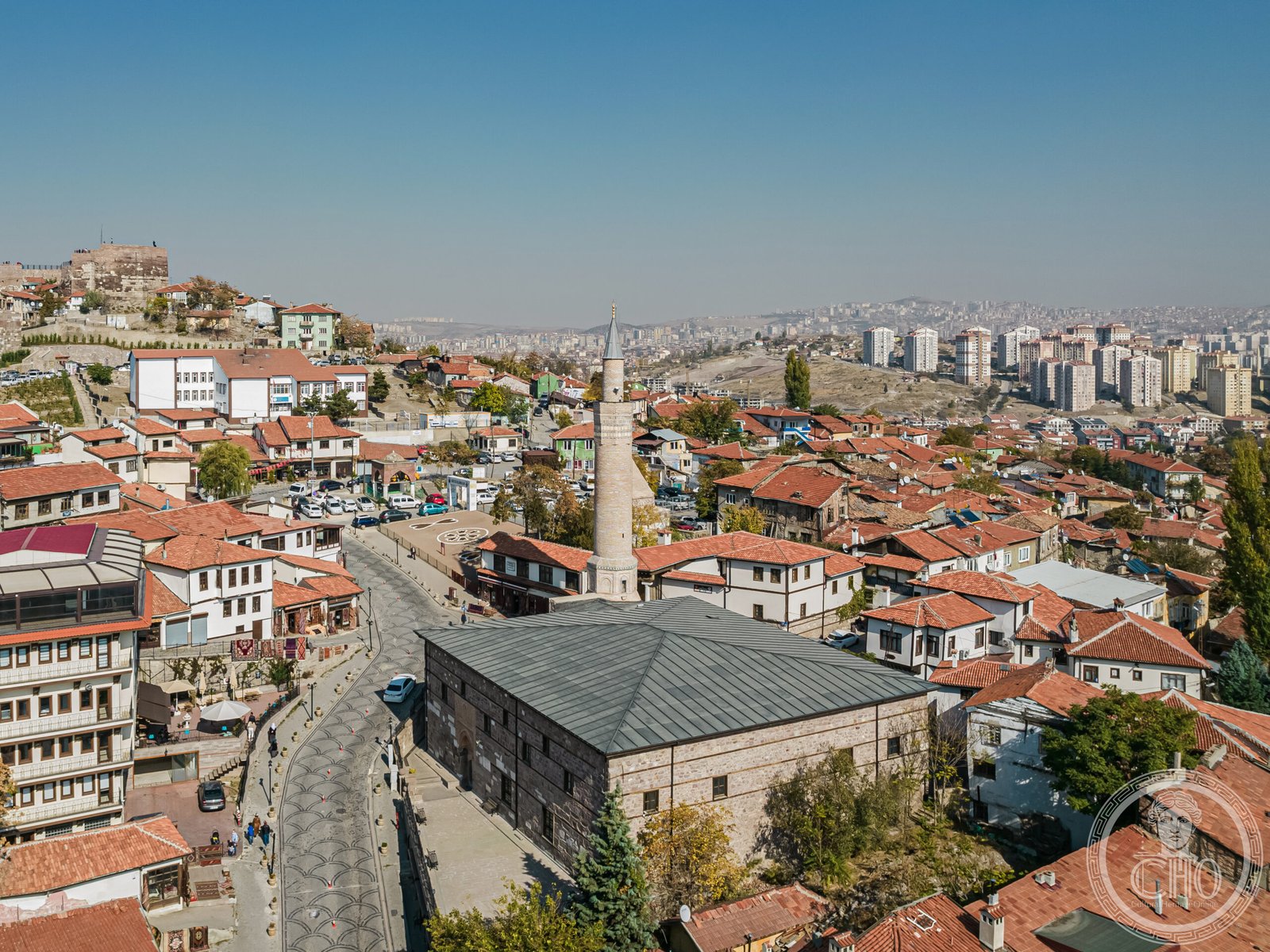
A Unique Anatolian Tradition
Between the 13th and 15th centuries, under the Anatolian Seljuk sultans and their successor Beylik dynasties, builders across central Anatolia developed a distinctive mosque type: the hypostyle hall supported by rows of carved wooden columns. These are not simple rural prayer houses but sophisticated architectural achievements combining timber craftsmanship of extraordinary quality with a spatial experience unlike anything else in Islamic architecture.
The Forest of Columns
The interior of a wooden hypostyle mosque creates a forest-like atmosphere: dozens of slender wooden columns with elaborately carved capitals supporting a flat timber ceiling decorated with geometric and floral motifs. The mihrab (prayer niche indicating Mecca) and the minbar (pulpit) are carved from single pieces of walnut or juniper with a virtuosity that makes them among the finest examples of medieval woodworking in the world.
The Serial Components
The inscription encompasses thirteen mosques across seven provinces of central Anatolia, including the Aslanhane Mosque in Ankara (1289), the Ahi Elvan Mosque in Ankara, the Eşrefoğlu Mosque in Beyşehir (complete with its original 13th-century wooden ceiling), the Afyonkarahisar Great Mosque, and the Divriği Great Mosque and Hospital. Each retains significant original fabric across a span of over seven centuries.
Architectural Synthesis
The style synthesises Central Asian Turkic tent-architecture traditions — expressed through the forest-of-columns plan and the emphasis on timber — with Iranian geometric ornament and Byzantine construction knowledge absorbed after the Seljuk conquest of Anatolia. The result is genuinely new: an Islamic architectural tradition with no direct parallel in the Arab world or Persia.
UNESCO Recognition
Inscribed in 2024 under criteria ii, iii, and iv, the Wooden Hypostyle Mosques of Medieval Anatolia were recognised for their role as an outstanding architectural and artistic synthesis at the crossroads of cultures, and for their exceptional testimony to the Anatolian Seljuk civilisation and its successors.
Visiting the Mosques
Most of the mosques remain active places of worship. The Aslanhane Mosque in Ankara’s old Ulus quarter is the most accessible — open to visitors outside prayer times, with its 13th-century wooden columns intact. The Eşrefoğlu Mosque in Beyşehir (Lake District) is often considered the most beautiful, with the finest surviving 13th-century wooden ceiling in Anatolia.
Getting There
Ankara is served by Esenboğa International Airport with flights from across Europe. Beyşehir is a 3-hour drive from Ankara or Konya. Afyonkarahisar is on the main Ankara–Izmir railway line. The sites are spread across central Anatolia, making a dedicated multi-day circuit the most rewarding approach.
Wider Context
Turkey has one of the world’s largest concentrations of UNESCO World Heritage Sites. The wooden mosque tradition connects to the broader Seljuk heritage of Konya (where the Mevlana mausoleum stands) and to the Ottoman classical architecture that followed. Divriği, another component of this inscription, was itself inscribed separately in 1985 (ref 358) and now becomes part of this expanded recognition.
Find it on the map
See this place and what’s around it →📷 Become a Cultural Heritage Online photographer
Share your photos of places: they stay published under your name as the author. The more they're seen, the more you get noticed — and soon a contest will reward the most appreciated photos.
Log in or sign up free to add a photoIs this page about you?
This page is read by travellers and heritage enthusiasts who find it on Google. Tell us how you are connected to this place and we will take it from there.