
The Ancient Land of Khuttal
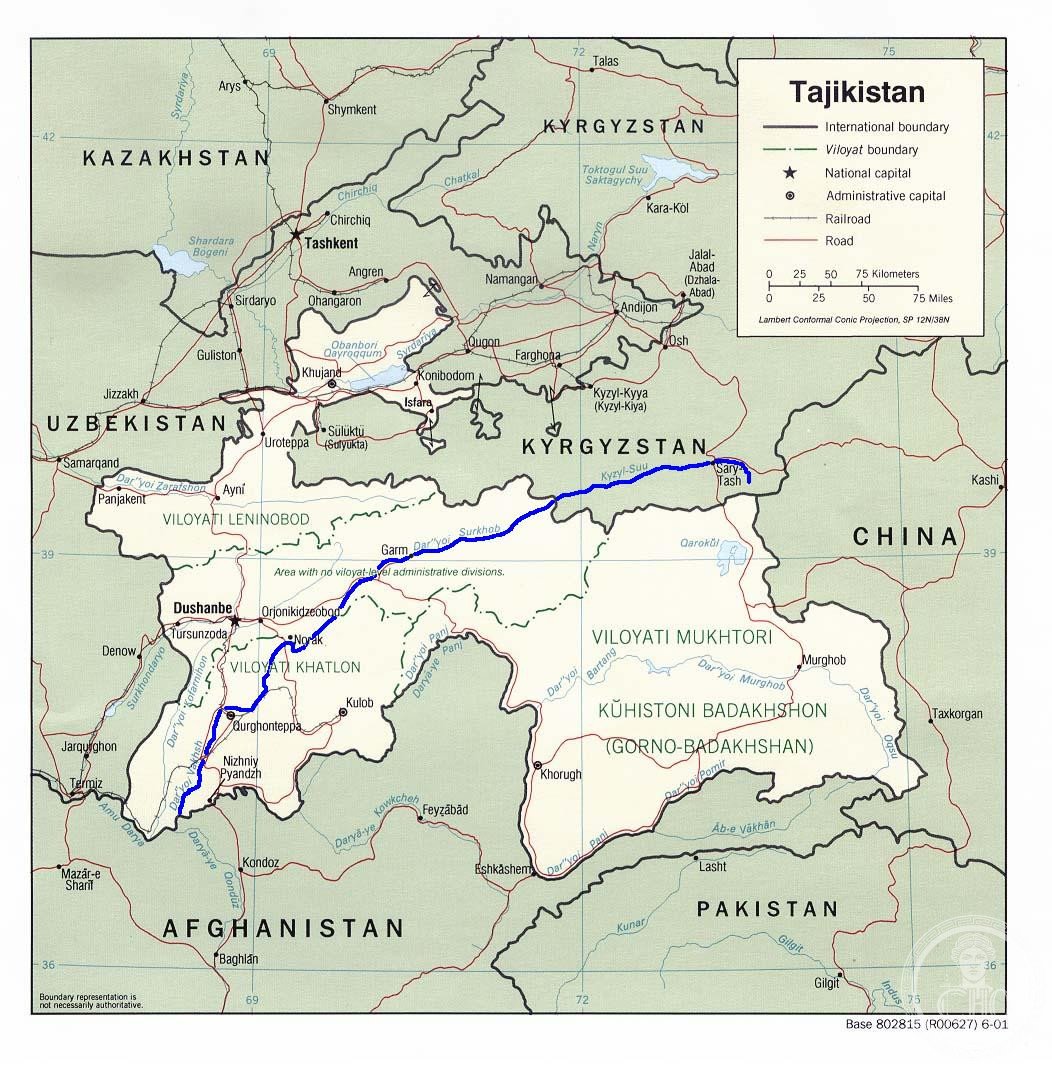
Khuttal — the fertile southern lowlands of modern Tajikistan watered by the Vakhsh and Panj rivers — was once a thriving crossroads of the Silk Road and a heartland of Bactrian civilisation. Its archaeological sites preserve fortresses, fire temples, and urban settlements that span from the Achaemenid period through the early Islamic era.
Bactrian and Hellenistic Roots
Following Alexander the Great’s campaigns in the 4th century BC, the region became part of the Greco-Bactrian Kingdom, whose Hellenistic influences are visible in the art and coinage recovered from Khuttal’s sites. Monumental mudbrick fortresses commanded the river valleys, serving as administrative centres for successive Central Asian empires.
Key Archaeological Components
The serial inscription encompasses several distinct sites including ancient Hulbuk — the medieval capital of Khuttal with its imposing palace complex — and other fortified settlements along the river valleys. Hulbuk’s excavations have revealed stucco reliefs, ceramic assemblages, and architectural remains from the 9th–12th centuries that illuminate the Samanid and Qarakhanid periods.
Crossroads of Civilisations
Khuttal’s position between the Iranian world, the steppes of Central Asia, and the Indian subcontinent made it a zone of constant cultural exchange. Zoroastrian fire temples, Buddhist monasteries, and early mosques all existed within this landscape within a few centuries of each other — evidence of the region’s remarkable religious pluralism.
UNESCO Recognition
Inscribed in 2023 under criteria ii, iii, and iv, the Cultural Heritage Sites of Ancient Khuttal were recognised for their role in the exchange of cultural influences across Central Asia over more than a millennium, and for their testimony to Bactrian and early Islamic urban culture in an outstanding state of preservation.
Visiting Khuttal
The Hulbuk archaeological museum near Kulob presents artefacts from the excavations. The sites themselves are accessible from Kulob, the main city of the Khatlon province. Tajikistan’s archaeological heritage is less visited than Central Asia’s more famous destinations, offering an authentic and uncrowded experience.
Getting There
Kulob has an airport with connections to Dushanbe (40 min). From Dushanbe, the capital, road access to Khatlon province is straightforward. International flights serve Dushanbe from Moscow, Istanbul, and Dubai.
Wider Tajikistan Context
Tajikistan is one of the most archaeologically rich countries in Central Asia. The same Wakhsh river corridor leads north to Sarazm (another UNESCO site, ref 1141) — one of the oldest urban centres of Central Asia. Khuttal completes a remarkable temporal arc of settlement history in the region.
Find it on the map
See this place and what’s around it →📷 Become a Cultural Heritage Online photographer
Share your photos of places: they stay published under your name as the author. The more they're seen, the more you get noticed — and soon a contest will reward the most appreciated photos.
Log in or sign up free to add a photo