Austria has 12 UNESCO World Heritage Sites, ranging from imperial palaces and a mountain railway built before the American Civil War to a shared Danube frontier once patrolled by Roman legions and primeval beech forests stretching across seventeen countries. From Cultural Heritage Online.
Why Austria’s list looks the way it does
Austria’s UNESCO portfolio is overwhelmingly cultural — eleven of its twelve inscribed sites carry that designation — which reflects the country’s centuries-long role as the seat of the Habsburg dynasty. Imperial commissions, ecclesiastical patronage, and the engineering ambitions of the nineteenth century left a built environment dense enough that the country’s first two nominations, submitted together in 1996, were both urban ensembles rather than landscapes.
The single natural inscription, the Ancient and Primeval Beech Forests, underscores how thoroughly Austria’s remaining wilderness is shared across borders. That site spans seventeen European countries, and several of Austria’s other inscriptions are similarly transnational — the Danube Limes links it to Germany and Slovakia, the Fertő/Neusiedlersee Cultural Landscape to Hungary, and the prehistoric pile dwellings to five Alpine neighbours.
The first inscriptions
Austria joined the World Heritage List in 1996 with two simultaneous nominations, both of which remain among its most recognised sites today:
- Historic Centre of Salzburg (1996) — the baroque cityscape of Mozart’s birthplace, shaped by prince-archbishop commissions across three centuries.
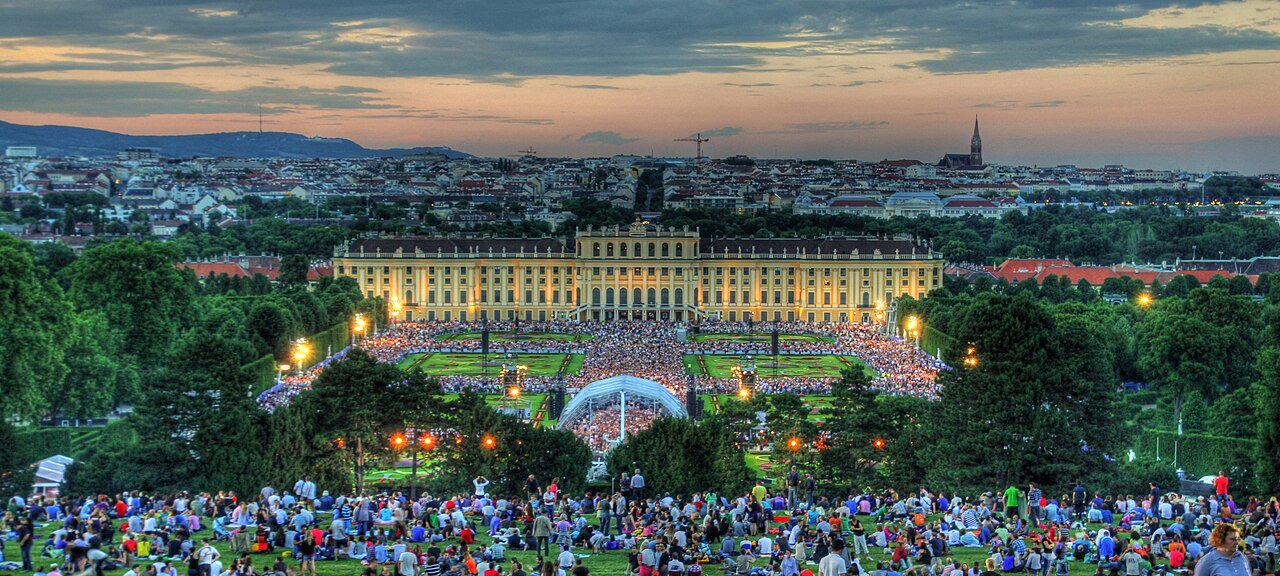
- Palace and Gardens of Schönbrunn (1996) — the summer residence of the Habsburg emperors on the western edge of Vienna, with formal gardens that influenced park design across Central Europe.
The following year brought the Hallstatt-Dachstein / Salzkammergut Cultural Landscape, an Alpine lake district whose salt mines had sustained trade routes since the Bronze Age. Salzburg and Schönbrunn set the tone for everything that followed: monumental, readable, and tied to the long arc of Habsburg ambition.
The most visited — and the alternatives
Vienna’s Historic Centre, inscribed in 2001, draws the largest visitor numbers. The Ringstrasse boulevard, the Kunsthistorisches Museum, the opera house, and the Gothic spire of St. Stephen’s Cathedral are the obvious anchors. Schönbrunn and Salzburg follow close behind in footfall. These three sites together account for the bulk of international heritage tourism in Austria.
Visitors who look further find inscriptions that reward the detour. The Semmering Railway (1998), built between 1848 and 1854, was the first mountain railway in the world constructed with a steam locomotive — a 41-kilometre engineering experiment through the Eastern Alps that required viaducts, spiral tunnels, and solutions that had no precedent. The Wachau Cultural Landscape (2000) covers forty kilometres of the Danube valley between Melk and Krems, where Benedictine abbeys, ruined castles, and terraced vineyards occupy the same river banks. The Historic Centre of Graz (1999), Austria’s second city, accumulated grand architecture in multiple styles as successive Habsburg residents rebuilt and expanded it over centuries — less visited than Vienna precisely because it requires a second stop.
Natural and shared sites
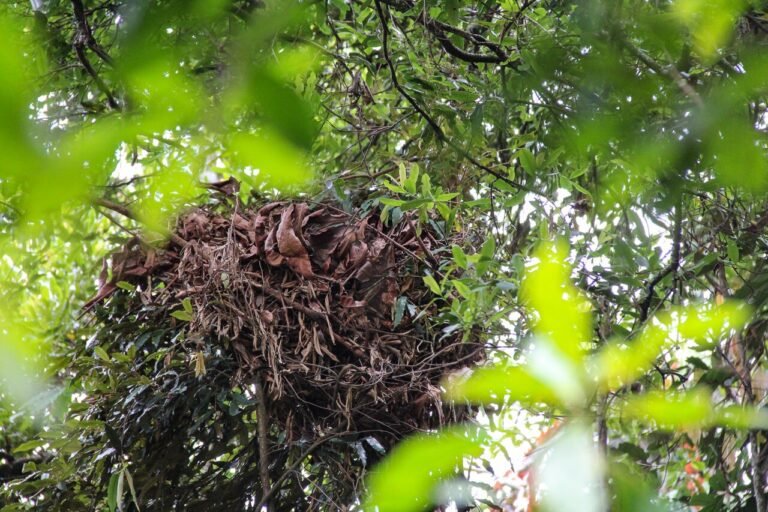
Austria’s sole natural inscription sits within a sprawling transnational serial property: the Ancient and Primeval Beech Forests of the Carpathians and Other Regions of Europe, extended in 2017 to include Austrian forest components. The site, now shared by seventeen countries, protects continuous beech forest ecosystems largely undisturbed since the last ice age. Austria also participates in the Prehistoric Pile Dwellings around the Alps (2011), a serial nomination of 111 lake-dwelling sites across six countries — a number of which sit in Austrian lakes.
The two most recent Austrian inscriptions, both added in 2021, are also transnational. The Danube Limes (Western Segment) — the Roman frontier fortifications along the river — is shared with Germany and Slovakia, and represents the most westerly section of the broader Frontiers of the Roman Empire series. The Great Spa Towns of Europe, shared with Belgium, Czechia, France, Germany, Italy, and the United Kingdom, includes Bad Ischl in the Austrian Salzkammergut, a town whose thermal culture and imperial associations give it a character quite distinct from the better-known spa cities further west.
How to find them
Austria’s World Heritage sites sit alongside thousands of other places on CHO’s interactive map, with GPS and sourced editorial history for each. See also our guides to Italy’s and France’s UNESCO sites, and our piece on cultural travel beyond mass tourism.
Frequently Asked Questions
How many UNESCO World Heritage Sites does Austria have?
Austria has 12 UNESCO World Heritage Sites as of 2025. Eleven are classified as cultural and one — the Ancient and Primeval Beech Forests — is natural. Several of these inscriptions are transnational serial sites shared with neighbouring countries.
What was Austria’s first UNESCO World Heritage Site?
Austria received its first two inscriptions simultaneously in 1996: the Historic Centre of Salzburg and the Palace and Gardens of Schönbrunn in Vienna. Both were submitted together and approved at the same World Heritage Committee session.
What is the Semmering Railway and why is it inscribed?
The Semmering Railway is a 41-kilometre mountain line through the Eastern Alps, built between 1848 and 1854. It was the first mountain railway in the world to be operated by steam locomotives, pioneering engineering techniques — including high viaducts and curved tunnels — that had no existing model to follow. It was inscribed in 1998.
Which of Austria’s UNESCO sites are shared with other countries?
Several Austrian inscriptions are transnational: the Fertő/Neusiedlersee Cultural Landscape is shared with Hungary; the Prehistoric Pile Dwellings with five Alpine nations; the Ancient Beech Forests with sixteen other European countries; the Danube Limes with Germany and Slovakia; and the Great Spa Towns of Europe with six further countries including France, Italy, and the United Kingdom.
Sources used in this article
- UNESCO — State Party Austria — World Heritage list.
- UNESCO — Austria: World Heritage Sites.
- CHO magazine — What is a World Heritage Site?
- CHO — Interactive map of heritage sites.