
Nel cuore della grande steppa eurasiatica, fra terre aride e laghi vasti come mari, due riserve del Kazakistan settentrionale proteggono un mondo di uccelli: milioni di migratori e i fenicotteri rosa più settentrionali del pianeta. Saryarka è la steppa allo stato puro, una distesa che sembra non finire mai.
At a glance
Saryarka — Steppe and Lakes of Northern Kazakhstan protects two nature reserves, Korgalzhyn and Naurzum, in the heart of the great Eurasian steppe. Their wetlands and lakes, set amid endless dry grassland, are a vital crossroads for migratory birds on the routes between Africa, Europe and Asia, and host the most northerly breeding flamingos in the world. The reserves shelter a rich steppe and wetland ecosystem, with rare birds and the saiga antelope. Saryarka was inscribed by UNESCO in 2008 as a natural site.
Key facts
- UNESCO: World Heritage since 2008 (Saryarka — Steppe and Lakes of Northern Kazakhstan)
- Two reserves: Korgalzhyn and Naurzum
- Bird crossroads: a key stop on Africa–Eurasia migration flyways
- Northern flamingos: the most northerly breeding flamingos on Earth
- Wetlands: vast lakes amid dry steppe, fresh and salt
- Wildlife: habitat of the steppe and the endangered saiga antelope
History
The Saryarka, the “yellow ridge”, is the worn upland heart of the Kazakh steppe, a landscape shaped over millennia by a harsh continental climate of burning summers and frozen winters. Its lakes, fed by snowmelt, range from fresh to intensely salt, and form oases of life in the surrounding grassland.
The Korgalzhyn and Naurzum reserves were established in the Soviet era to protect these wetlands and the millions of birds that depend on them. They preserve some of the last great expanses of natural steppe in the world, a biome largely ploughed up elsewhere, and the migration and breeding grounds that make the region of global importance for waterbirds.
What you see
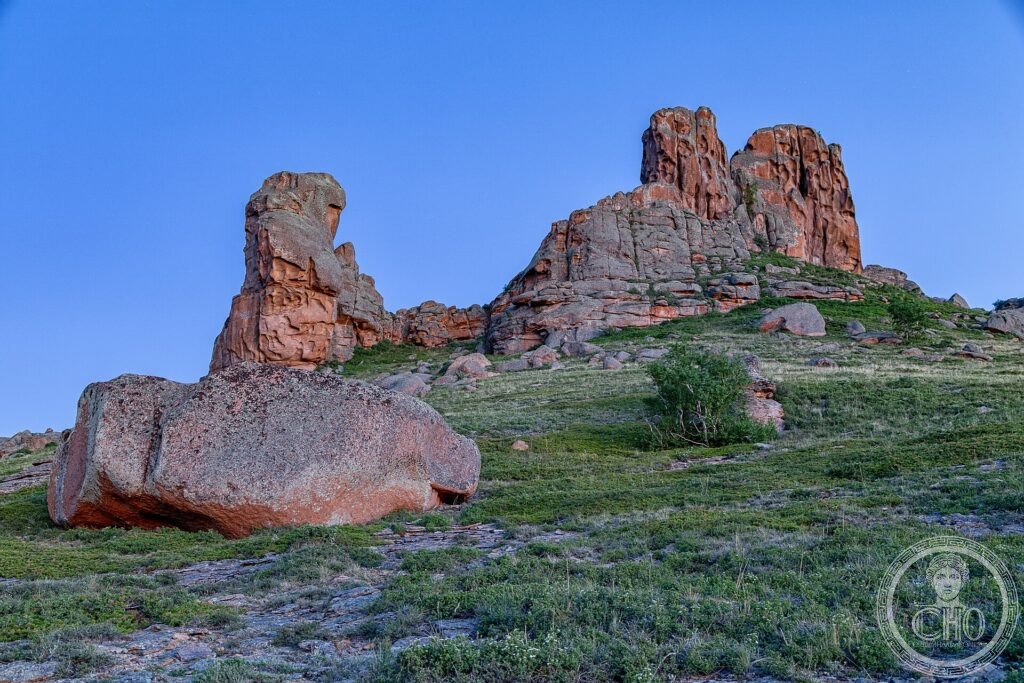
The land rolls away in immense grassland under huge skies, broken by rocky outcrops and the shining surfaces of lakes. In spring and autumn the wetlands fill with waterbirds — pelicans, geese, cranes and the pink crowds of flamingos that breed at the northern limit of their range.
On the steppe itself, herds of saiga antelope and other wildlife move across distances that seem without end.
Practical information
- Reserves: visited with permits and guides; Korgalzhyn is nearer Astana
- Best time: spring and autumn migrations for birdlife
- Time needed: a day or more, with travel
- Note: remote; arrange tours and transport in advance
Getting there
The Korgalzhyn reserve is about 130 km south-west of Astana, the capital of Kazakhstan; Naurzum lies further west in the Kostanay region. Access is by road with reserve permits. GPS (Korgalzhyn area): 50.43° N, 69.20° E.
Nearby
- Astana — the modern Kazakh capital, gateway to Korgalzhyn
- Tengiz Lake — the great salt lake at the heart of Korgalzhyn
- The open steppe — the vast grasslands of central Kazakhstan
Sources
- UNESCO World Heritage Centre — “Saryarka — Steppe and Lakes of Northern Kazakhstan” (ref. 1102)
- Korgalzhyn and Naurzum State Nature Reserves — official bodies
- Encyclopaedia Britannica — Kazakhstan (plant and animal life)
Find it on the map
See this place and what’s around it →📷 Become a Cultural Heritage Online photographer
Share your photos of places: they stay published under your name as the author. The more they're seen, the more you get noticed — and soon a contest will reward the most appreciated photos.
Log in or sign up free to add a photo