
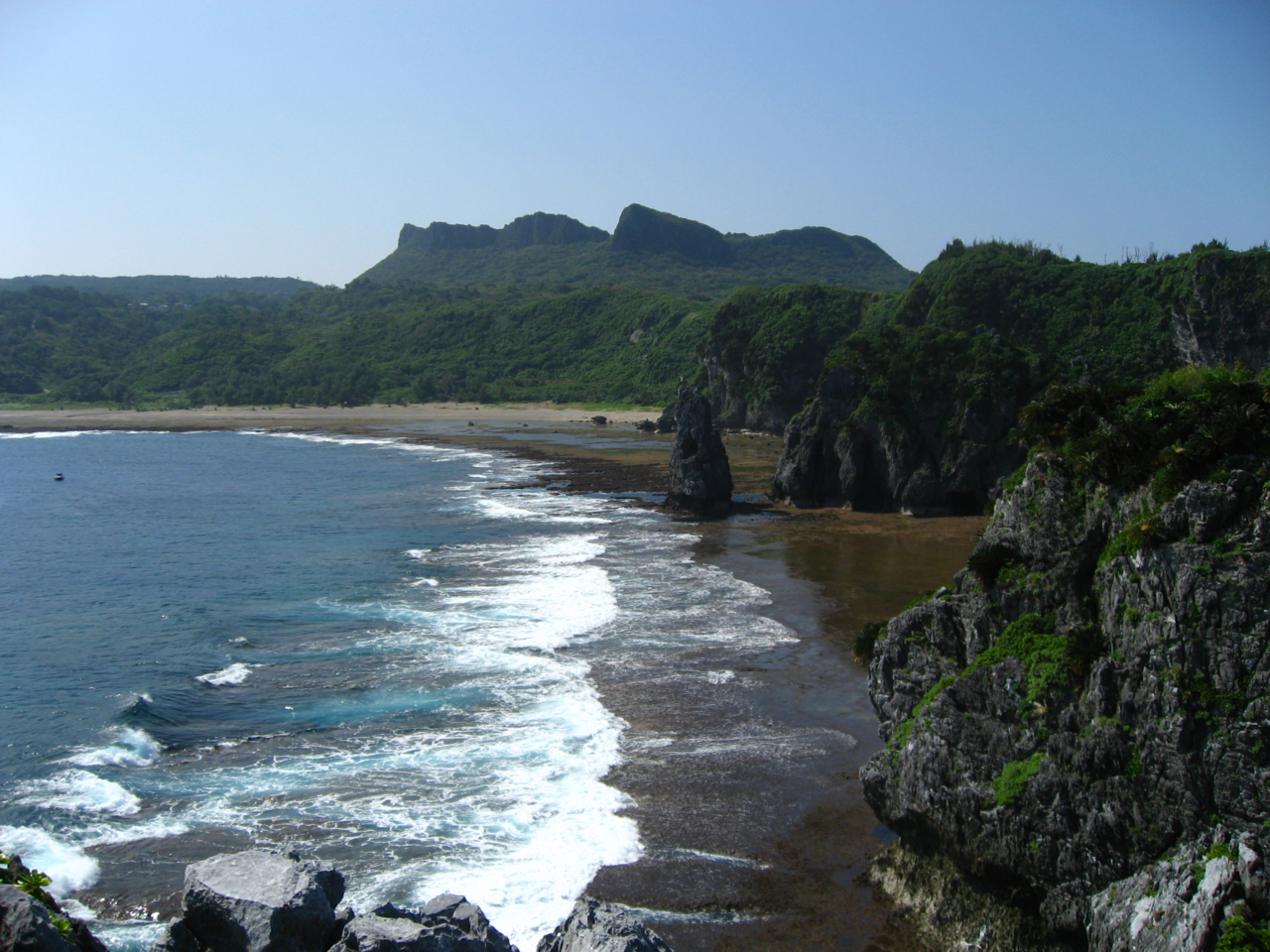
The Okinawa Islands form the principal group of Japan’s Ryukyu archipelago, a subtropical region shaped by monsoon climate, martial arts heritage, and World War II history.
At a glance
The Okinawa Islands comprise the largest island of the same name and numerous smaller islands within the Okinawa Prefecture. The main group covers 1,485 km² and is home to approximately 1.3 million people, with Naha as the prefectural capital. The archipelago includes three distinct groups: the Okinawan Islands, the Kerama Islands, and the Daito Islands.
History
Between March and June 1945, the Okinawa Islands became the theatre of a major World War II conflict. The Battle of Okinawa, fought between American and Japanese forces, left a profound mark on the islands and their people. This pivotal campaign fundamentally altered the region’s trajectory in the modern era.
What you see
The subtropical climate sustains a dense rainforest ecosystem, maintained by the monsoon season that arrives in late spring. The natural landscape reflects the islands’ position between Japanese and broader Asian influences, evident in both ecology and built heritage.
Cultural significance
Okinawa is the birthplace of karate, the globally recognised martial art. Karate emerged from the fusion of Chinese martial traditions with local Okinawa-te practices, originally divided into three schools: Naha-te, Shuri-te, and Tomari-te. This synthesis represents a defining element of Okinawan cultural identity. The islands are also recognised as a blue zone, a region where residents demonstrate exceptional longevity and health.
Key facts
- Location: Okinawa Prefecture, Japan
- Coordinates: 26.441557, 127.7889954
- Main group area: 1,485 km²
- Prefecture total area: 2,265 km²
- Population: approximately 1.35 million (2003 census)
- Capital: Naha
- Official website: https://www.visitokinawa.jp/
Practical information
Opening hours and admission policies vary by site and venue. Check the official Okinawa tourism website for current information on attractions, seasonal activities, and visitor services.
Getting there
Naha Airport, located on the main island, is the primary gateway. Direct flights connect to Tokyo and other major Japanese cities, as well as several international destinations. Ferry services link the island groups within the archipelago.
See the place
Sources & resources
Find it on the map
See this place and what’s around it →📷 Become a Cultural Heritage Online photographer
Share your photos of places: they stay published under your name as the author. The more they're seen, the more you get noticed — and soon a contest will reward the most appreciated photos.
Log in or sign up free to add a photo