
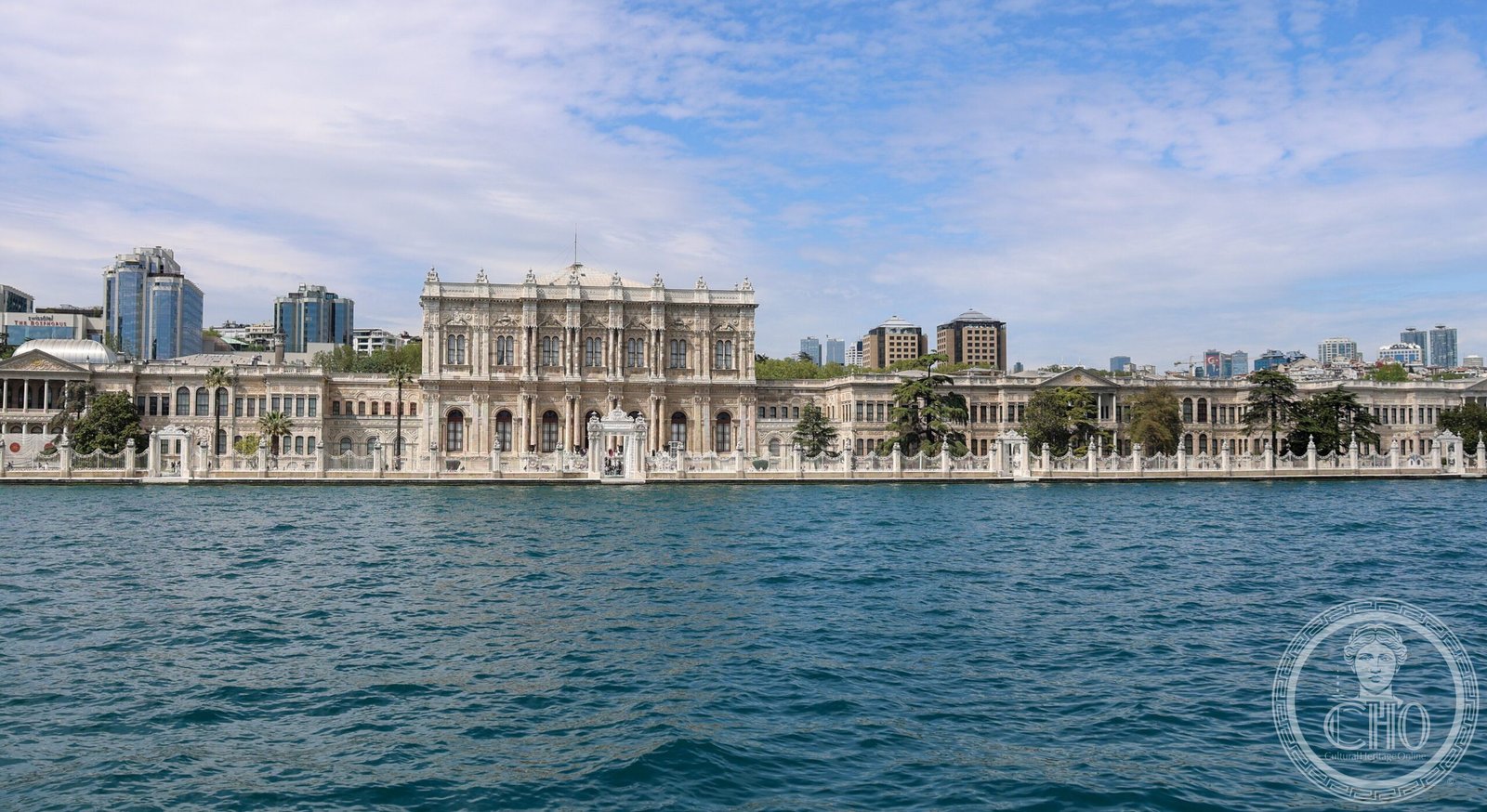
Dolmabahçe Palace
This grand 19th-century palace served as the beating heart of Ottoman imperial power, dominating the European shore of the Bosporus for decades.
At a glance
Dolmabahçe Palace stands along Istanbul’s waterfront as a monument to Ottoman ambition and architectural grandeur. Built in the 19th century, it functioned as the empire’s primary administrative center during two critical periods: 1853 to 1887, and again from 1909 to 1922. The palace represents a pivotal moment when Ottoman rulers embraced European aesthetics while maintaining imperial power.
History
The palace emerged during the Ottoman Empire’s modernization era, becoming the seat of imperial government from 1853. Its construction marked a shift in power dynamics within the empire. After 1887, it ceased its primary administrative role, though it regained significance when the imperial court returned from 1909 to 1922, during the final years of Ottoman rule.
What you see
The palace’s design reflects 19th-century European influence merged with Ottoman tradition. Its location on the Bosporus provided both symbolic and practical advantages for governing an empire that straddled two continents.
Cultural significance
Dolmabahçe Palace embodies the Ottoman Empire’s encounter with Western modernity. As an administrative center, it witnessed crucial decisions that shaped the empire’s final decades. The palace remains a symbol of Ottoman imperial identity and the architectural aspirations of 19th-century Istanbul.
Key facts
- Country: Turkey
- City: Istanbul
- Built: 19th century
- Primary administrative use: 1853–1887 and 1909–1922
- Coordinates: 41.03944444, 29.00166667
Practical information & getting there
Dolmabahçe Palace is accessible from central Istanbul along the Bosporus waterfront. Visitors can reach the site by public transport or on foot from nearby neighborhoods. Check ahead for current opening hours and any entry requirements.
Sources & resources
Find it on the map
See this place and what’s around it →📷 Diventa un fotografo di Cultural Heritage Online
Condividi le tue foto dei luoghi: restano pubblicate con la tua firma come autore. Più vengono viste, più ti fai conoscere — e presto un concorso premierà le foto più apprezzate.
Accedi o registrati gratis per aggiungere una fotoDo you manage this place?
This page is read by travellers and heritage enthusiasts who find it on Google. Keep it accurate — and make it work for you. Free for non-profit heritage institutions.