
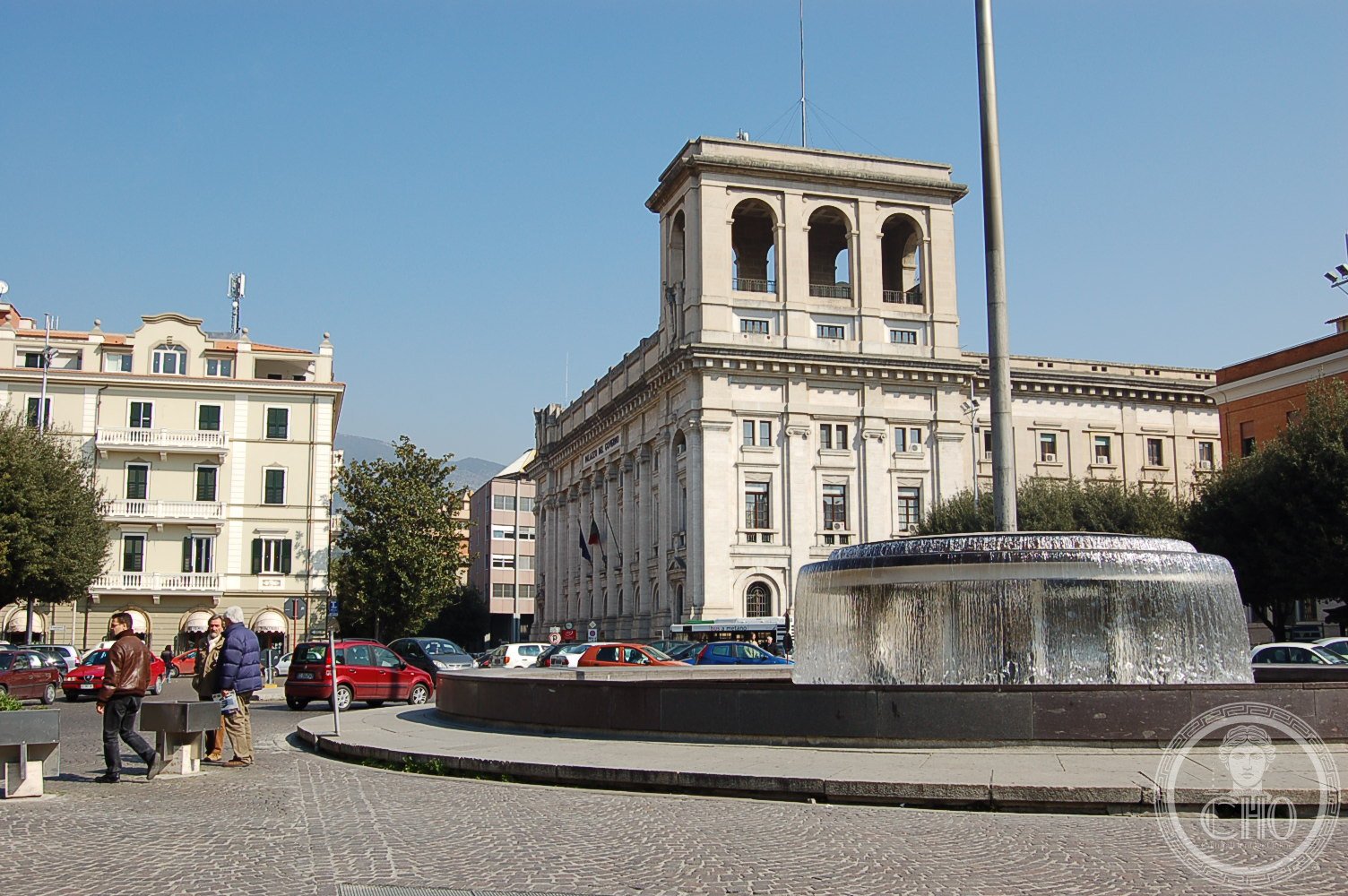
Capital of Umbria’s Terni province, this ancient city emerged as a major industrial center in the 19th century, earning nicknames like “The City of Steel” and “Italian Manchester.” Roman remains, medieval architecture, and modern industry coexist within its urban landscape.
At a glance
Terni sits at the confluence of the Nera river and Serra torrent in central Italy. Once a thriving Umbrian settlement, it transformed into one of Italy’s earliest industrial powerhouses, home to historic steel mills and hydroelectric plants that still operate today.
History
The Terni basin shows signs of human settlement from the protohistoric age. The necropolis of the Acciaierie, used from the 10th to early 8th century BC, belonged to the Culture of Terni—a protohistoric Umbrian facies. The proto-urban center developed later, in the 7th century BC, at the river confluence.
Archaeological evidence confirms the traditional foundation date of 672 BC, based on an inscription from 32 AD. The pre-Roman inhabitants, called Nahartes in Latin sources, were Umbrian peoples dwelling along the Nara (Nera) river. The city name, Interamna Nahartium, reflects this ancestry.
During the Middle Ages, Terni flourished as a free municipality with extensive water mills. The 19th century brought industrial transformation: steel mills were founded in 1875 and 1884, alongside arms factories, textile plants, and chemical works. The city ranked first in industrial development after Italy’s famous northern industrial triangle.
World War II brought severe Allied bombardment. Today, Terni balances modern urban development with historic preservation, offering Roman, medieval, Renaissance, and Baroque monuments alongside contemporary infrastructure.
What you see
Modern streets and green spaces—particularly the Marmore waterfall and surrounding countryside—define Terni’s landscape. Despite wartime damage, numerous architectural remains from Roman, medieval, and Renaissance periods survive throughout the city.
Cultural significance
Terni represents both ancient Umbrian heritage and industrial modernity. Its evolution from a small proto-urban settlement to a major manufacturing center illustrates Italy’s transformation during the industrial age. The city embodies the intersection of archaeological importance and economic development.
Key facts
- Address: Piazza M. Ridolfi, 1, 05100 Terni
- Coordinates: 42.5621098, 12.6435092
- Website: http://www.comune.terni.it/
- Phone: 0744 5491
- Founded: 672 BC (traditional date)
- Province capital: Terni, Umbria
Practical information
Terni functions as both a provincial capital and working industrial city. Visitors should check the municipal website for specific opening hours for museums, monuments, and cultural sites.
Getting there
Terni is accessible by train and car from major Italian cities. The town center is located at the coordinates listed above. Public transport and parking are available; consult the official municipality website for current travel information and services.
See the place
Sources & resources
Find it on the map
See this place and what’s around it →Historical events at this place (2)
📷 Become a Cultural Heritage Online photographer
Share your photos of places: they stay published under your name as the author. The more they're seen, the more you get noticed — and soon a contest will reward the most appreciated photos.
Log in or sign up free to add a photo