
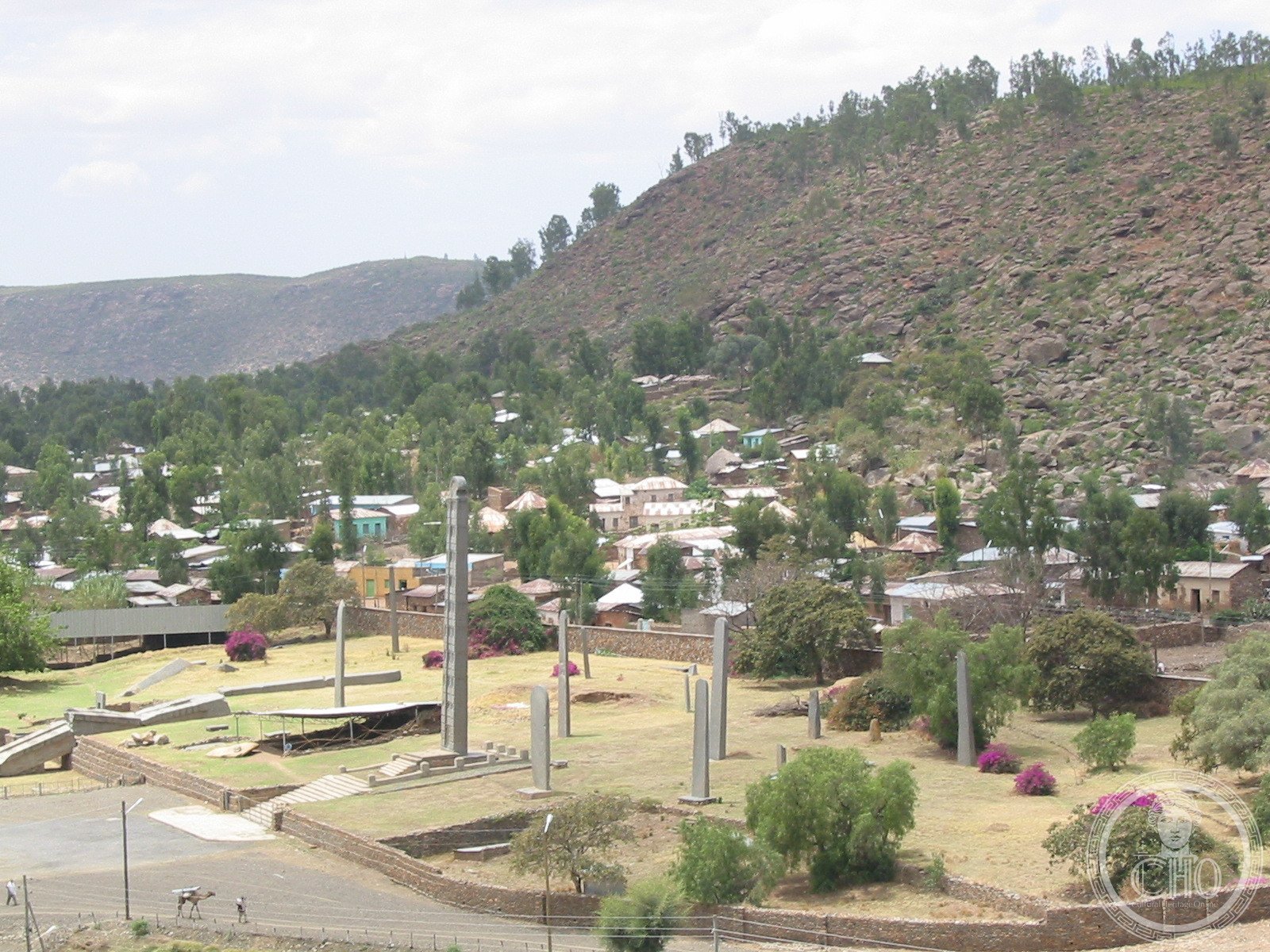
The ancient capital of the Aksumite Empire, Axum remains one of Africa’s most significant archaeological sites, marked by towering stelae and ruins that testify to a once-powerful trading civilization.
At a glance
Axum stands at 2,131 metres in the Tigray Region of northern Ethiopia, surrounded by the Adwa mountains. Today a town of roughly 67,000 residents, it preserves the physical remnants of an empire that once dominated the Red Sea trade routes and rivalled Rome and Persia in influence.
History
Axum served as the capital of the Aksumite Empire, a major Mediterranean and Indian Ocean trading power from the 1st to 10th centuries. The city’s prosperity derived from its control of Red Sea commerce and the export of luxury goods across three continents. The empire’s decline came gradually as trade routes shifted and regional powers rose. Archaeological evidence shows continuous settlement and cultural significance across many centuries.
What you see
The site is dominated by monumental stone stelae—tall carved obelisks that mark royal graves and commemorate the power of Axumite rulers. The largest stelae reach heights of over 33 metres, though some lie broken. Scattered foundations, tombs, and remnants of palaces reveal urban planning and craftsmanship. The Church of St. Mary of Zion, built in later centuries, stands within the archaeological zone. Stone tools, pottery, and inscriptions in Ge’ez script document daily life and administration.
Cultural significance
Axum represents a pinnacle of pre-Islamic African civilization and remains central to Ethiopian national identity and Orthodox Christian heritage. The stelae express a sophisticated understanding of monumental sculpture and symbolism. The site’s inscriptions provide crucial written evidence of one of Africa’s earliest literate empires. UNESCO recognition in 1980 confirmed its universal archaeological and historical value.
Key facts
- Location: Axum, Tigray Region, Ethiopia
- Coordinates: 14.12°N, 38.73°E
- Elevation: 2,131 metres (6,991 feet)
- UNESCO World Heritage Site: designated 1980
- Population (2015): 66,900
Practical information & getting there
Axum lies in the Central Zone of Tigray, accessible by road from Mekelle. The site’s archaeological museum provides context for the stelae and artefacts. Before planning a visit, verify current conditions; the region was affected by conflict beginning in 2020. Local guides at Axum offer interpretation of the major monuments and excavation sites.
Sources & resources
Find it on the map
See this place and what’s around it →📷 Become a Cultural Heritage Online photographer
Share your photos of places: they stay published under your name as the author. The more they're seen, the more you get noticed — and soon a contest will reward the most appreciated photos.
Log in or sign up free to add a photo