
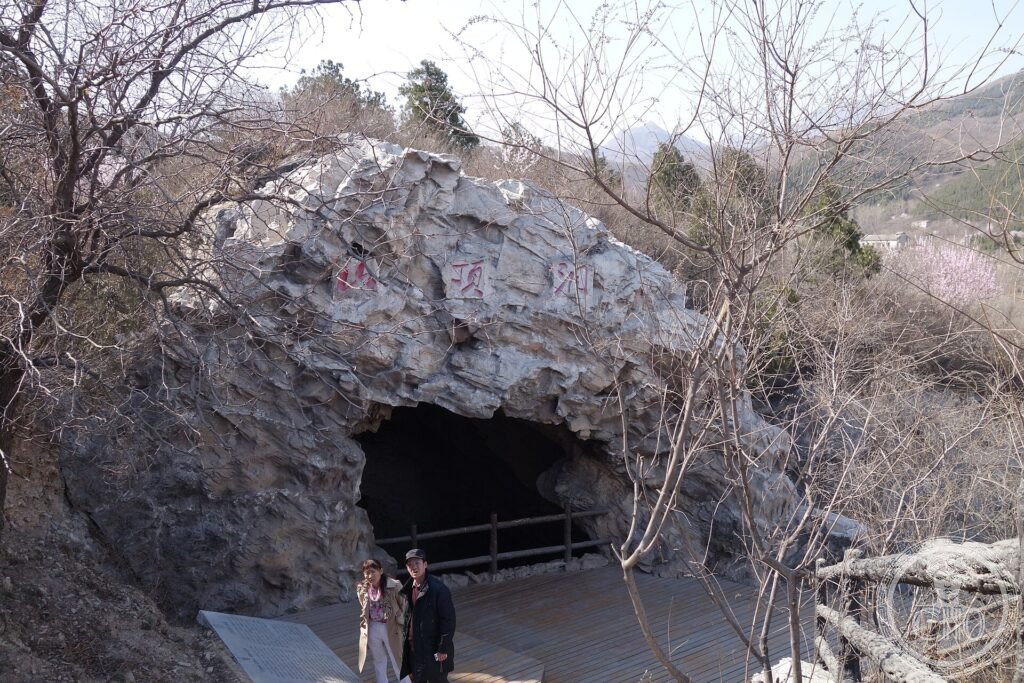
Zhoukoudian (Homo erectus): la grotta dell’Uomo di Pechino
In una collina calcarea a sud-ovest di Pechino, dentro un sistema di grotte, sono stati trovati i resti dell'”Uomo di Pechino”, un Homo erectus vissuto centinaia di migliaia di anni fa. Zhoukoudian è uno dei siti più importanti per la storia dell’evoluzione umana, dove si studiarono il fuoco e gli strumenti dei nostri lontani antenati.
At a glance
Zhoukoudian, in the hills south-west of Beijing, is one of the most important sites in the study of human evolution. In its limestone caves were found the fossil remains of “Peking Man”, a population of Homo erectus who lived here several hundred thousand years ago, together with evidence of stone tools and the possible use of fire. The caves also yielded remains of later, modern humans. This key palaeoanthropological site was inscribed by UNESCO in 1987.
Key facts
- UNESCO: World Heritage since 1987 (Peking Man Site at Zhoukoudian)
- Peking Man: Homo erectus pekinensis, several hundred thousand years old
- Cave system: fossils found in limestone caves and fissures
- Human evolution: a landmark site in palaeoanthropology
- Tools and fire: stone tools and possible early use of fire
- Upper Cave: also yielded remains of later modern humans
History
Excavations at Zhoukoudian from the 1920s revealed skull caps, teeth and bones of an extinct human population that came to be known as Peking Man, classified as Homo erectus and dated to hundreds of thousands of years ago. Alongside the fossils were stone tools, animal bones and ash layers interpreted by many as evidence of the use of fire, making the site central to debates about early human behaviour.
Most of the original Peking Man fossils were lost during the Second World War, but casts, later finds and ongoing excavation keep Zhoukoudian at the heart of the study of human origins in East Asia. The site and its museum were inscribed by UNESCO in 1987.
What you see
The site preserves the excavated caves and fissures in the limestone hill where the fossils were found, with walkways and markers explaining the layers. A museum displays casts of the Peking Man skulls, stone tools, animal remains and the story of the excavations and of human evolution.
The setting, a quiet hill near the edge of the Beijing plain, belies its importance to the human story.
Practical information
- Site: the cave localities and a museum are open to visitors
- Time needed: 1–2 hours
- Note: a day trip from Beijing
- Setting: in Fangshan district, south-west of Beijing
Getting there
Zhoukoudian is in Fangshan district, about 50 km south-west of central Beijing, China. It is reached by road from the city. GPS: 39.69° N, 115.92° E.
Nearby
- Beijing — the Chinese capital, to the north-east
- Fangshan — the district’s hills and temples
- Marco Polo Bridge — the historic bridge on the way to the city
Sources
- UNESCO World Heritage Centre — “Peking Man Site at Zhoukoudian” (ref. 449)
- Zhoukoudian Site Museum — official body
- Encyclopaedia Britannica — Peking man; Zhoukoudian
Find it on the map
See this place and what’s around it →📷 Diventa un fotografo di Cultural Heritage Online
Condividi le tue foto dei luoghi: restano pubblicate con la tua firma come autore. Più vengono viste, più ti fai conoscere — e presto un concorso premierà le foto più apprezzate.
Accedi o registrati gratis per aggiungere una foto