
The Roman city the dam drowned, and the face they saved
What It Is
Zeugma is a former Greco-Roman city on the west bank of the Euphrates River in southeastern Turkey, near the modern city of Gaziantep. Founded around 300 BC by Seleucus I Nicator — one of Alexander the Great’s generals — as a strategic river crossing point (the name Zeugma means "bridge" or "crossing" in Greek), it grew into a major Roman garrison city and trade hub where the Silk Road crossed the Euphrates. At its height the city had approximately 80,000 inhabitants and was one of the most prosperous cities in the Roman East.
The Dam and the Desperate Rescue
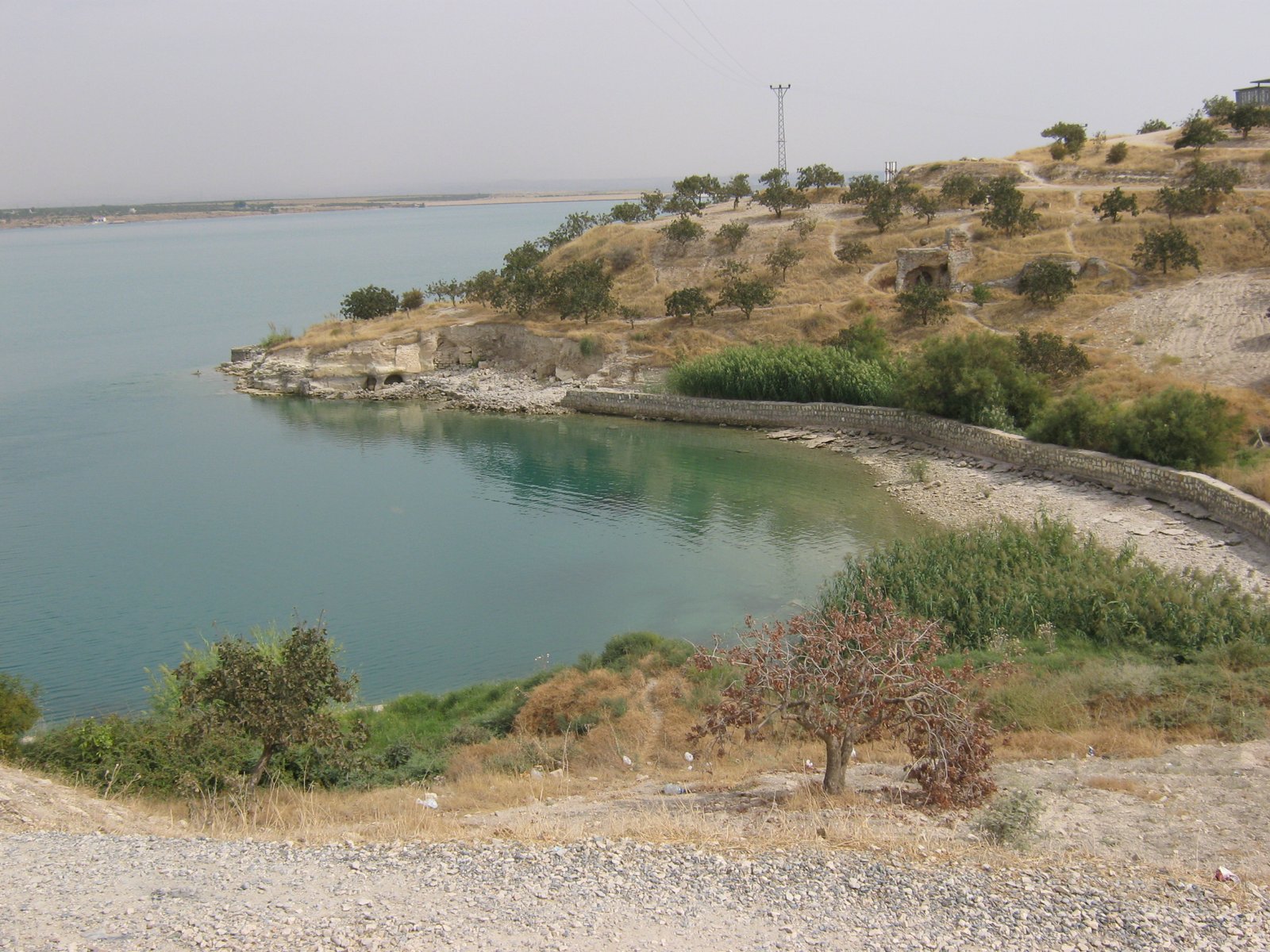
In 2000, the Birecik Dam reservoir began filling — and approximately 30 percent of the ancient city of Zeugma went underwater permanently. What followed was one of the most dramatic archaeological rescue operations in modern history. In the months before the waters rose, international teams excavated at extraordinary speed, knowing that everything left in the ground would be inaccessible for centuries. The most famous object saved in this race against time was a 2nd-century AD Roman mosaic portrait of a young woman with dark, slightly melancholy eyes and windswept hair — now known worldwide as the "Gypsy Girl" mosaic, officially the Commagene mosaic. Her face, extracted from the rising waters and restored, became one of the most widely reproduced images in modern archaeology.
The Mosaics: Why Zeugma Matters
Zeugma contained more than 200 mosaic floors, and what was excavated before the flooding represents one of the largest and finest collections of Roman mosaic art ever found in a single site. These are not merely decorative floor coverings: they are large-scale narrative compositions depicting scenes from Greek mythology with extraordinary sophistication — Achilles at the court of Lycomedes, the Nine Muses, the love story of Eros and Psyche, Dionysus and his companions. The quality rivals anything found at Pompeii. The Zeugma Mosaic Museum in Gaziantep, opened in 2011 and one of the largest mosaic museums in the world, now houses the rescued pieces. The Gypsy Girl mosaic is displayed there and has become the emblem of Turkish archaeological heritage.
What Lies Underwater
The submerged portion of Zeugma contains an estimated 50,000 square metres of ancient buildings, including what archaeologists believe were the most elaborate residential districts of the city — the sections most likely to have contained the richest mosaics. When the reservoir level drops during dry years, the tops of ancient walls protrude from the water surface, offering a ghostly glimpse of the drowned city. Ongoing research includes underwater robotic survey, but the conditions are difficult: the reservoir water is not clear, and systematic excavation of a submerged site of this scale would require resources that have not been committed. The greatest treasures of Zeugma may still be underwater.
Zeugma as a Silk Road Node
Before the dam, before the mosaics, Zeugma’s significance was strategic and commercial. It controlled one of the most important river crossings in the ancient Near East — the point where major trade routes converged to cross the Euphrates. This made it a meeting point of cultures: Hellenistic Greek, Parthian, Roman, Semitic, and later Arab. The city’s prosperity was built on transit trade and the Roman military garrison that protected the eastern frontier. The mosaics themselves reflect this cultural richness: their mythological programs draw on Greek literature while their aesthetic execution shows both Roman and local Syrian artistic traditions.
What Remains Above Water
Approximately 70 percent of the ancient city remains above the reservoir level, and excavations continue on the uphill portions of the site. The excavated zone is open to visitors but infrastructure is modest compared to major Turkish heritage sites. The visible ruins include residential structures with in-situ mosaic floors (some covered for protection), parts of the street grid, storage areas, and the foundations of civic buildings. The experience is that of an active dig site rather than a packaged museum visit: scaffolding, tarpaulins, and ongoing work are part of the landscape.
The Zeugma Mosaic Museum
The most rewarding way to engage with Zeugma is to visit the Zeugma Mosaic Museum in Gaziantep, 55 kilometres to the west. Opened in 2011, it has a total exhibition area of approximately 30,000 square metres and holds the largest collection of Roman mosaics in the world after the Bardo National Museum in Tunis. The Gypsy Girl mosaic is displayed in a dedicated room. The museum also houses statues, fresco fragments, and everyday objects recovered during the pre-flooding rescue excavations. Gaziantep itself is one of Turkey’s most interesting cities for food and historic street life, and the museum pairs well with a full day in the city.
Getting There
The Zeugma archaeological site is located near the town of Belkis, approximately 55 kilometres east of Gaziantep. Gaziantep has an international airport with connections to Istanbul and other Turkish cities. From Gaziantep, the site is reachable by car (approximately one hour on the road toward the Birecik Dam) or by arranged local taxi. There is no regular public bus to the archaeological site itself. The Zeugma Mosaic Museum in Gaziantep is far easier to reach and is highly recommended as the primary Zeugma experience; the site at Belkis supplements the museum visit for visitors with a specific archaeological interest.
Find it on the map
See this place and what’s around it →📷 Become a Cultural Heritage Online photographer
Share your photos of places: they stay published under your name as the author. The more they're seen, the more you get noticed — and soon a contest will reward the most appreciated photos.
Log in or sign up free to add a photo