
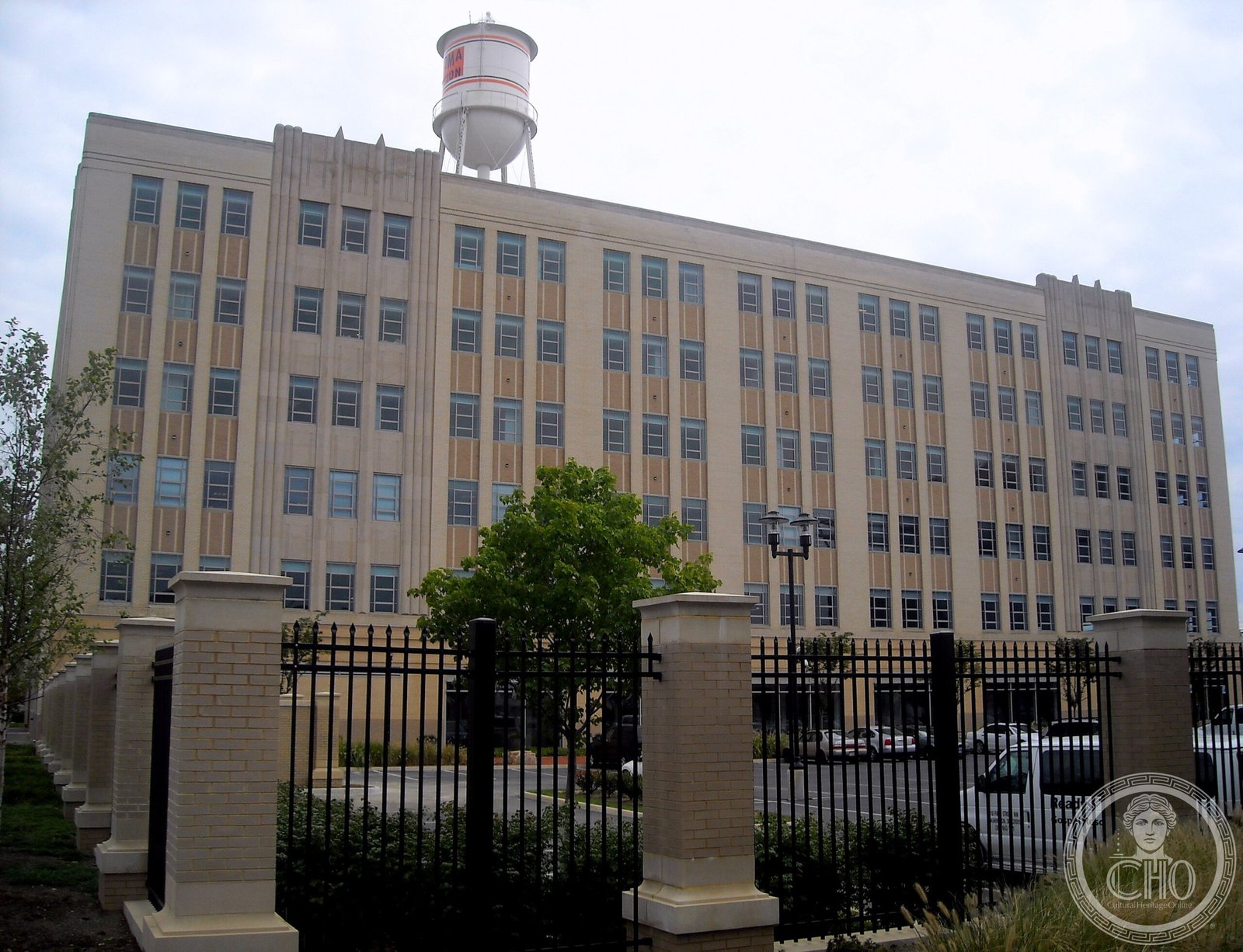
A historic warehouse in Washington’s emerging NoMa neighborhood, this utilitarian structure reflects the city’s commercial heritage and remains visible from the modern metro system it now adjoins.
At a glance
The Woodward & Lothrop Service Warehouse is a District of Columbia Historic Landmark and National Register property, designated for its architectural and historical significance to the NoMa district.
History
Originally constructed to serve the Woodward & Lothrop department store operations, the warehouse exemplifies the commercial infrastructure that once supported Washington’s retail sector. It was recognized as a Historic Landmark by the District in 1993, and subsequently listed on the National Register of Historic Places in 2005—acknowledgment of its role in the neighborhood’s urban fabric.
What you see
The building’s functional design speaks to its warehouse purpose. Today it stands as a visible landmark from the NoMa–Gallaudet U Metro station, making it an accessible reference point for understanding the area’s industrial and commercial past alongside its contemporary redevelopment.
Cultural significance
The warehouse represents the infrastructure layer often overlooked in urban histories. Its preservation documents the logistics networks that sustained major retailers and reflects how Washington evolved from a mercantile center into a modern city.
Key facts
- Country: United States
- City: Washington, D.C.
- District of Columbia Historic Landmark: 1993
- National Register of Historic Places: 2005
- Coordinates: 38.9055, −77.005
- Visible from: NoMa–Gallaudet U Metro station
Practical information & getting there
The warehouse is located in the NoMa neighborhood and is easily accessible via the NoMa–Gallaudet U Metro station on the Red Line. The building remains an active presence in the district, now part of a rapidly transforming area balancing historic preservation with new development.
Sources & resources
Find it on the map
See this place and what’s around it →📷 Become a Cultural Heritage Online photographer
Share your photos of places: they stay published under your name as the author. The more they're seen, the more you get noticed — and soon a contest will reward the most appreciated photos.
Log in or sign up free to add a photoIs this page about you?
This page is read by travellers and heritage enthusiasts who find it on Google. Tell us how you are connected to this place and we will take it from there.