

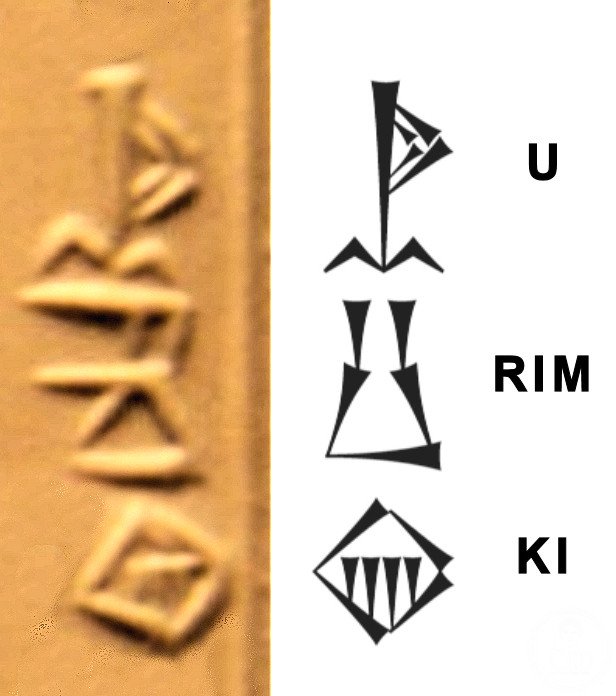
One of the world’s oldest cities, Ur was a powerful Sumerian city-state whose patron moon god Nanna inspired its name. Today, the Ziggurat of Ur—partially restored after 1930s excavations—rises from the desert as a testament to ancient Mesopotamian ambition.
At a glance
Ur was a major Sumerian city-state located in southern Mesopotamia, dating from around 3800 BC. Although originally situated near the mouth of the Euphrates on the Persian Gulf, coastal shifts have left the site inland, 16 km southwest of modern Nasiriyah. The city was recorded in written history from the 26th century BC, with Mesannepada as its first documented king.
History
Ur’s origins trace to the Ubaid period around 3800 BC, but the city emerged as a significant power during the 26th century BC. The temple dedicated to Nanna, the moon god, was constructed in the 21st century BC under Ur-Nammu’s reign. Later, Nabonidus, the last king of Babylon, rebuilt the temple in the 6th century BC—one of history’s final acts of Mesopotamian restoration before Persian conquest.
What you see
The Ziggurat of Ur dominates the archaeological site. This monumental stepped temple, excavated extensively in the 1930s, once housed the shrine of Nanna. Partial restoration has stabilized the structure, revealing the architectural sophistication of Sumerian religious centers. The staged design and commanding presence exemplify the engineering prowess of ancient Mesopotamian civilizations.
Cultural significance
Ur stands as one of the world’s earliest urban centers and a cornerstone of Mesopotamian civilization. The city’s development from settlement to city-state illuminates the rise of complex societies, writing systems, and religious institutions. The Ziggurat endures as a symbol of Sumerian achievement and the continuous spiritual importance of the moon god Nanna across millennia.
Key facts
- Country: Iraq
- Coordinates: 30.9617, 46.1051
- Modern location: Tell el-Muqayyar, 16 km southwest of Nasiriyah
- Founding: c. 3800 BC (Ubaid period)
- First recorded king: Mesannepada (26th century BC)
- Ziggurat built: 21st century BC (Ur-Nammu)
- Ziggurat rebuilt: 6th century BC (Nabonidus)
Practical information & getting there
Ur Tourist City, a modern heritage and tourism district, has been developed adjacent to the archaeological site to welcome visitors and pilgrims. The site lies in Dhi Qar Governorate in southern Iraq. Contact local tourism authorities in Nasiriyah for current access conditions and visiting information.
Sources & resources
Find it on the map
See this place and what’s around it →📷 Become a Cultural Heritage Online photographer
Share your photos of places: they stay published under your name as the author. The more they're seen, the more you get noticed — and soon a contest will reward the most appreciated photos.
Log in or sign up free to add a photoIs this page about you?
This page is read by travellers and heritage enthusiasts who find it on Google. Tell us how you are connected to this place and we will take it from there.