
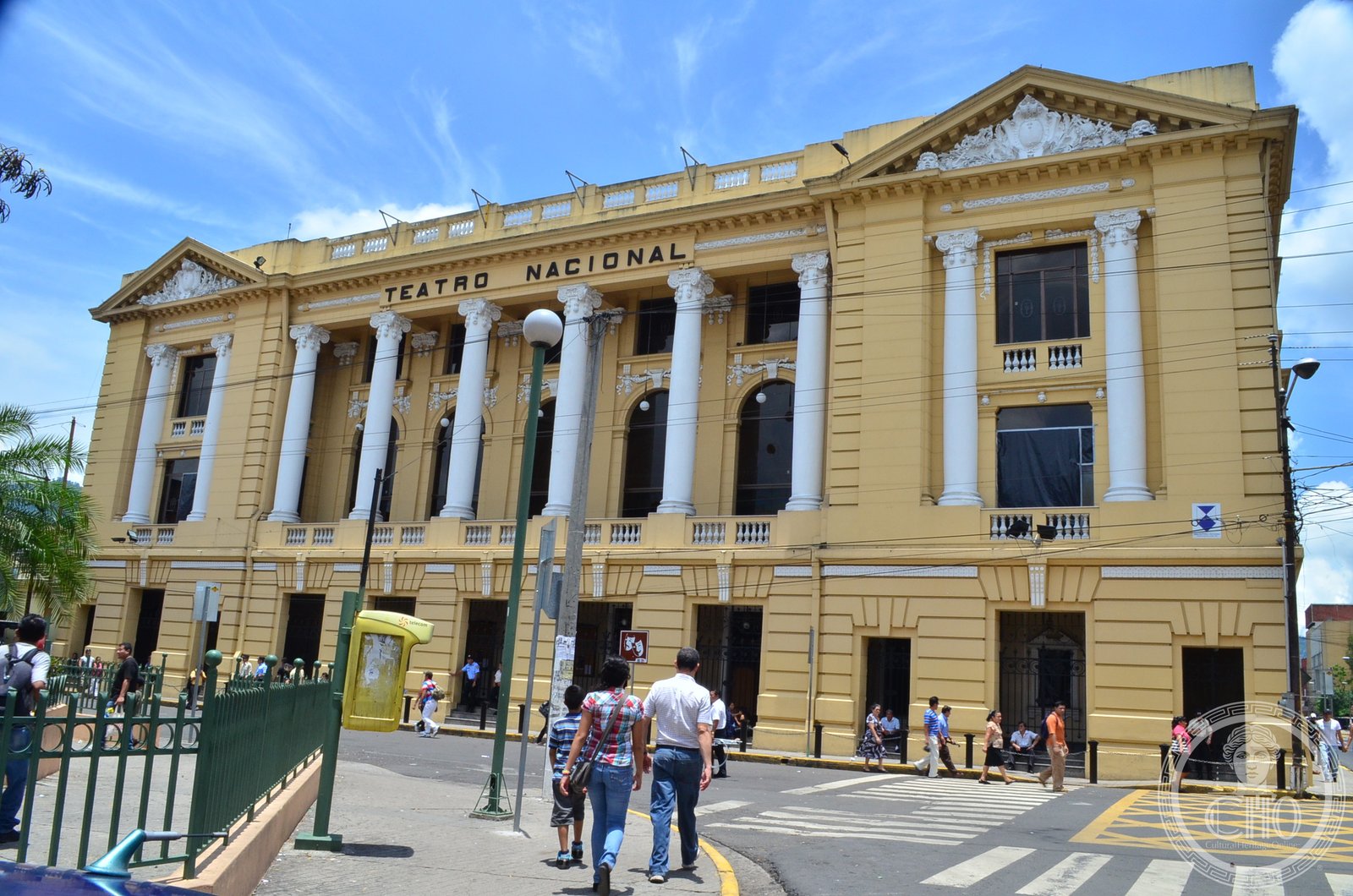
A jewel of French Renaissance architecture in Central America, this grand theatre opened in 1917 as a triumph of Parisian design and Italian decoration.
At a glance
El Salvador’s National Theatre stands as one of the region’s most architecturally refined public buildings. Its Great Hall ranks among Central America’s finest interior spaces, combining French elegance with modern sensibilities.
History
Construction began November 3, 1911, under the direction of French architect Daniel Beylard. The theatre was inaugurated on March 1, 1917, after six years of meticulous work. Italian architect Lucio Cappellaro oversaw its interior decoration, bringing continental sophistication to San Salvador’s cultural life.
What you see
The building exemplifies French Renaissance style with contemporary touches, reflecting early twentieth-century architectural ambitions. The interior decoration by Cappellaro created spaces of notable elegance. The Great Hall itself—lavishly appointed and acoustically refined—remains the theatre’s masterpiece.
Cultural significance
The Teatro Nacional represents El Salvador’s investment in cultural infrastructure during a period of modernization. It established a new standard for theatre design across Central America and continues to function as the nation’s premier venue for performing arts and cultural events.
Key facts
- Country: El Salvador
- City: San Salvador
- Coordinates: 13.69861111, −89.19027778
- Architect: Daniel Beylard (French)
- Interior decoration: Lucio Cappellaro (Italian)
- Construction began: November 3, 1911
- Inaugurated: March 1, 1917
- Architectural style: French Renaissance with modern elements
Practical information & getting there
The Theatre is located in central San Salvador. For current opening hours, performance schedules, and visitor information, consult the theatre’s official channels or local tourism resources.
Sources & resources
Find it on the map
See this place and what’s around it →📷 Become a Cultural Heritage Online photographer
Share your photos of places: they stay published under your name as the author. The more they're seen, the more you get noticed — and soon a contest will reward the most appreciated photos.
Log in or sign up free to add a photoIs this page about you?
This page is read by travellers and heritage enthusiasts who find it on Google. Tell us how you are connected to this place and we will take it from there.