
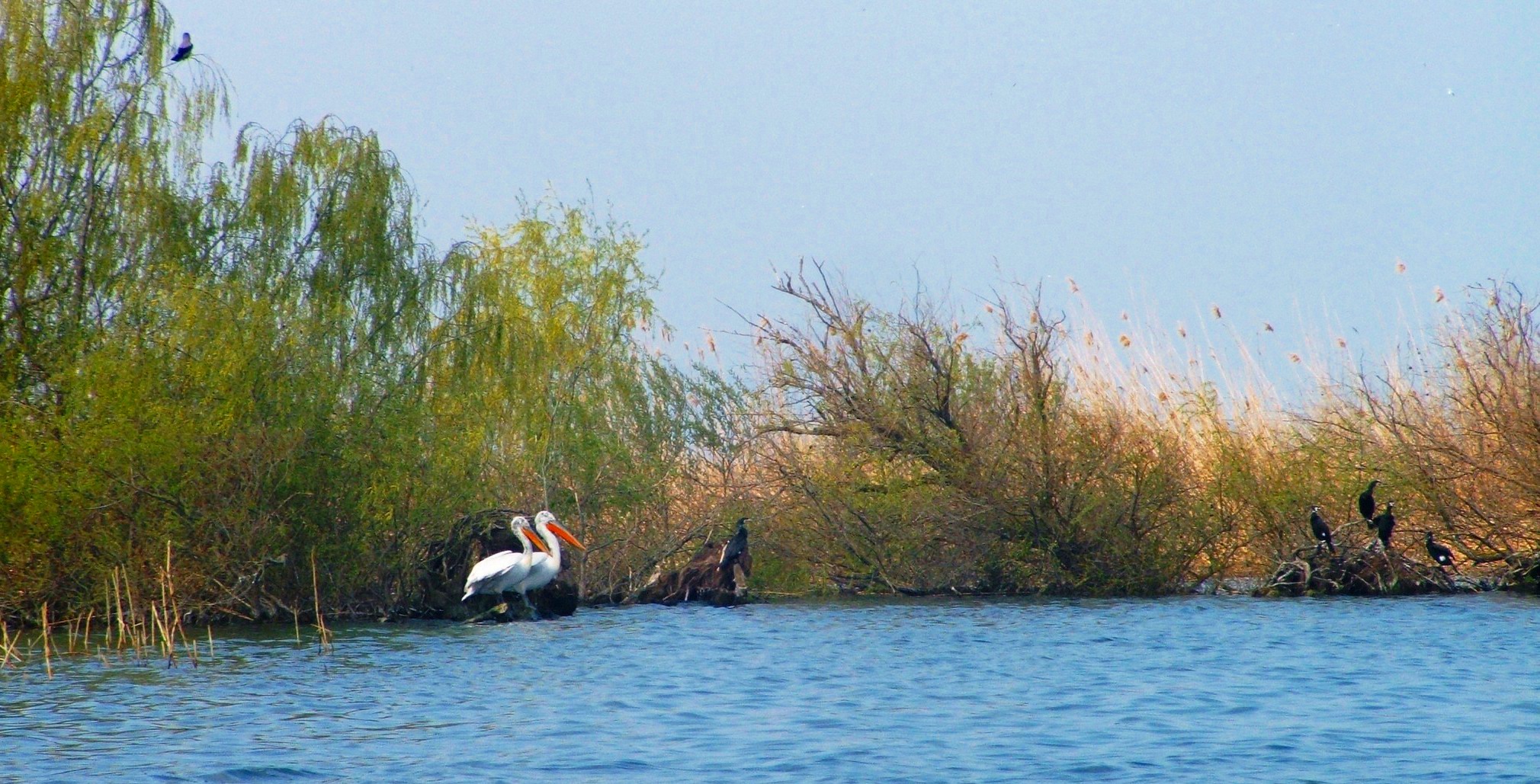
A vital wetland sanctuary on the Danube’s southern bank, Srebarna protects one of Europe’s most important bird migration corridors and provides refuge for endangered species traveling between African and European breeding grounds.
At a glance
Lake Srebarna and its surrounding wetlands form a 6-square-kilometer protected area in northeastern Bulgaria’s Southern Dobruja region, positioned strategically on the Via Pontica bird migration route. The shallow lake—averaging one to three meters in depth—creates ideal habitat for dozens of endangered avian species. A museum on-site displays specimens representative of the reserve’s wildlife.
History
The reserve was established to protect one of the Danube’s most ecologically significant wetland systems. Its designation reflects international recognition of the Via Pontica’s critical importance to global bird populations.
What you see
The landscape is defined by shallow water, reed beds, and marshy margins ideal for wading birds and waterfowl. A museum building contains taxidermied species typical of the reserve’s fauna, offering visitors insight into the area’s avian diversity without disturbing nesting populations.
Cultural significance
Srebarna represents a crucial link in the ancient Via Pontica flyway, where millions of birds depend on the wetland’s resources during spring and autumn migrations. Its protection exemplifies modern conservation priorities—preserving natural corridors essential to species survival across continents.
Key facts
- Location: Near Srebarna village, 18 kilometers west of Silistra, 2 kilometers south of the Danube
- Protected area: 6 square kilometers (main reserve); 5.4 square kilometers (buffer zone)
- Lake depth: 1–3 meters
- Country: Bulgaria
- Coordinates: 44.11°N, 27.08°E
- UNESCO World Heritage Site: Yes
Practical information & getting there
The reserve lies in the Danube floodplain near the Bulgarian-Romanian border. From Silistra, head 18 kilometers west toward Srebarna village. Access to sensitive nesting areas may be restricted during breeding season; consult the museum or local authorities for current visiting conditions and guided-tour availability.
Sources & resources
Find it on the map
See this place and what’s around it →📷 Become a Cultural Heritage Online photographer
Share your photos of places: they stay published under your name as the author. The more they're seen, the more you get noticed — and soon a contest will reward the most appreciated photos.
Log in or sign up free to add a photo