
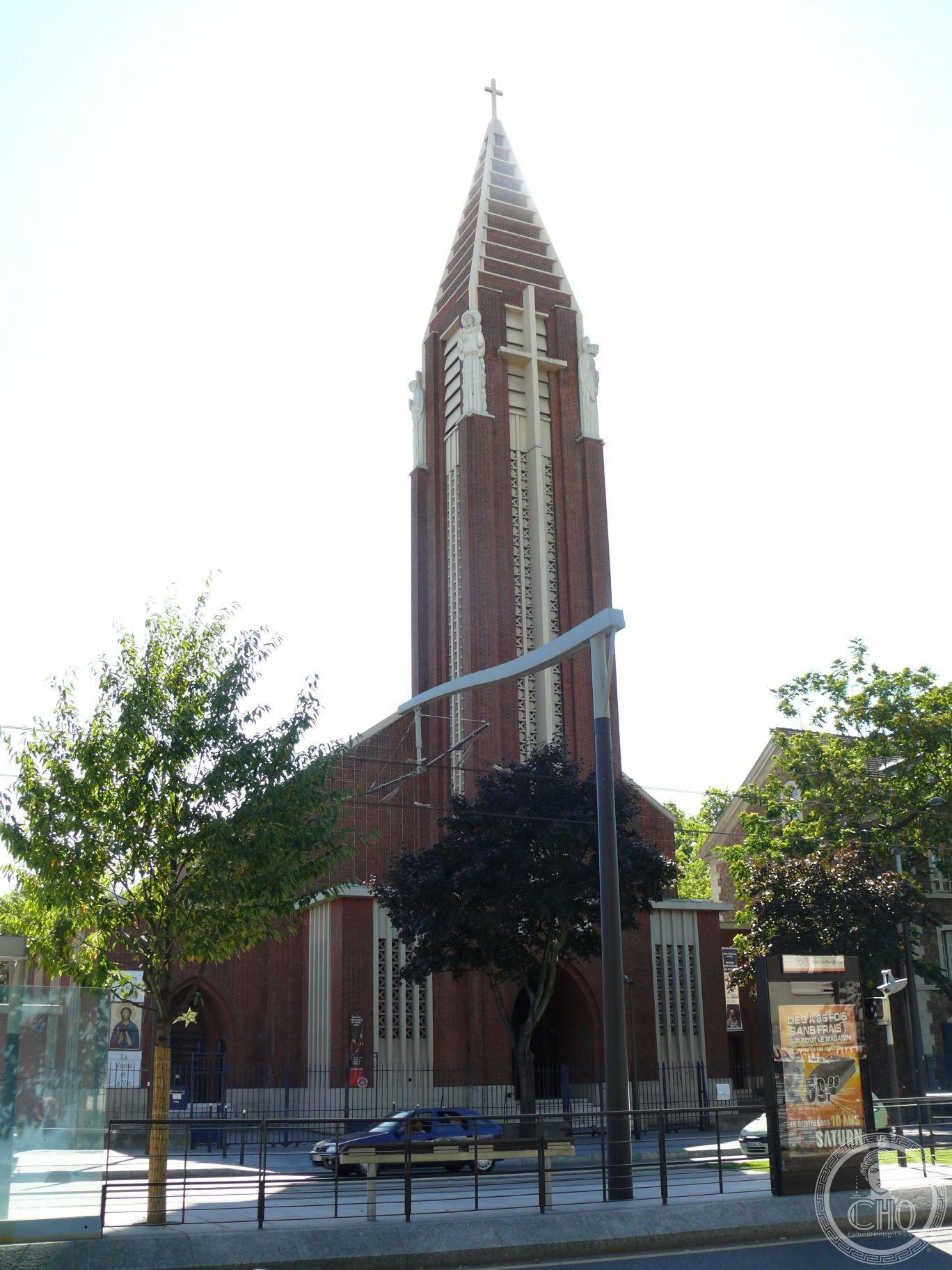
A masterwork of Art Deco sacred architecture, this Paris church exemplifies the movement’s geometric elegance and modern materials applied to religious space.
At a glance
Built on Boulevard Lefebvre in the 15th arrondissement, the Church of Saint-Antoine-de-Padoue stands as one of Paris’s finest expressions of Art Deco design. Architect Léon Azéma created a building that merged contemporary aesthetics with Catholic tradition, earning it recognition among the city’s most significant twentieth-century churches.
History
Construction took place between 1933 and 1935 under the direction of architect Léon Azéma. The church emerged during the height of the Art Deco movement, a period when modernism was reshaping Parisian architecture across residential, commercial, and institutional building types.
What you see
The church embodies Art Deco principles through its geometric forms, streamlined façade, and innovative use of materials. Interior design elements showcase the movement’s hallmark features—clean lines, stylized ornamentation, and an integration of modern craft techniques that create an atmosphere of refined spirituality.
Cultural significance
Saint-Antoine-de-Padoue represents a pivotal moment when sacred architecture embraced modernism. Rather than reviving historical styles, Azéma demonstrated that contemporary design could honor religious function while advancing architectural innovation—a statement that influenced church design across Europe.
Key facts
- Country: France
- City: Paris, 15th arrondissement
- Architect: Léon Azéma
- Built: 1933–1935
- Coordinates: 48.82983, 2.29437
Practical information & getting there
The church is located on Boulevard Lefebvre in the 15th arrondissement. For current visiting hours and services, consult the church directly or local Paris tourism resources.
Sources & resources
Find it on the map
See this place and what’s around it →📷 Become a Cultural Heritage Online photographer
Share your photos of places: they stay published under your name as the author. The more they're seen, the more you get noticed — and soon a contest will reward the most appreciated photos.
Log in or sign up free to add a photoIs this page about you?
This page is read by travellers and heritage enthusiasts who find it on Google. Tell us how you are connected to this place and we will take it from there.