
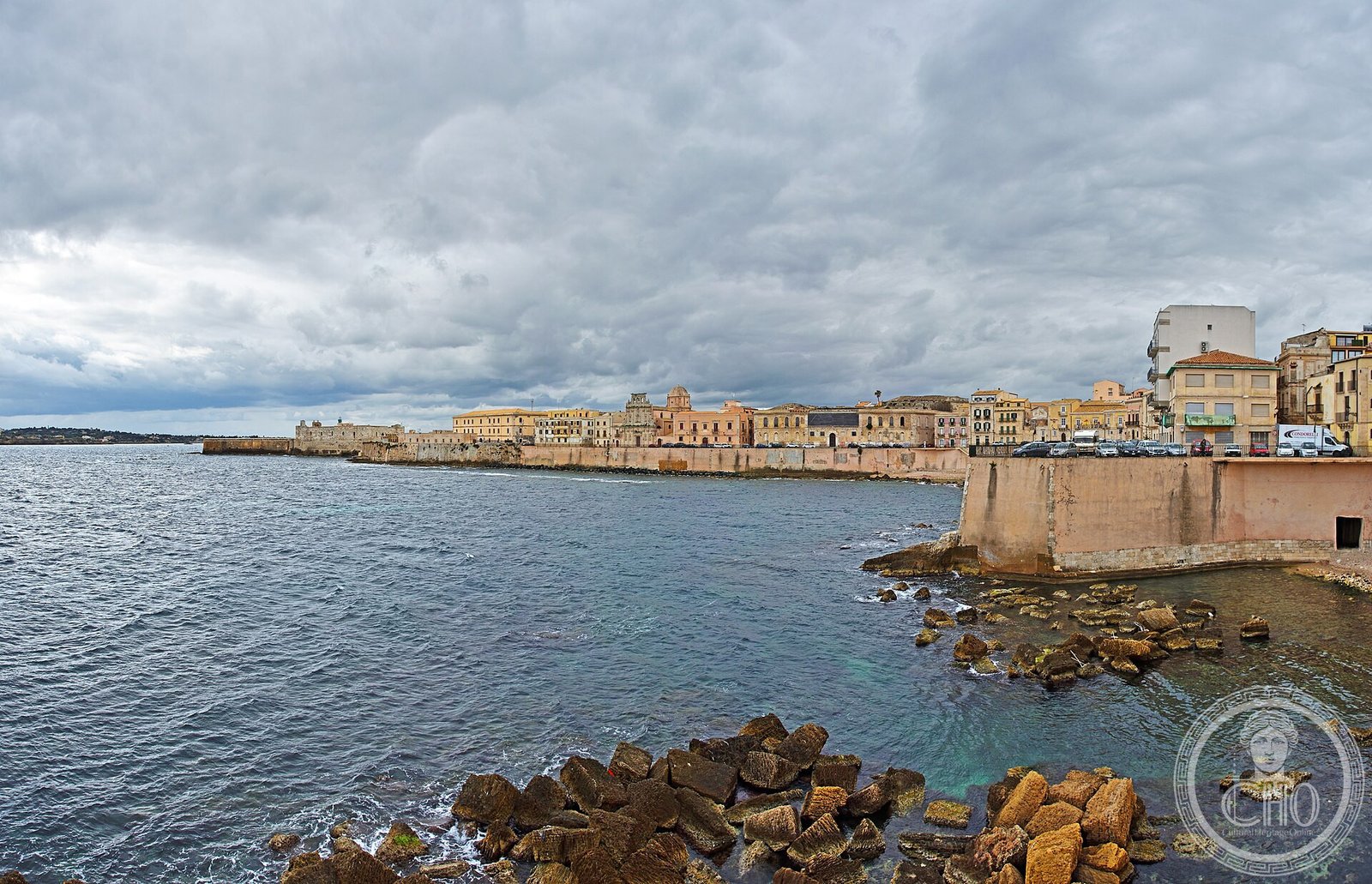
A small island cradling the ancient heart of Syracuse, Ortygia—the Città Vecchia or Old City—preserves centuries of Sicilian history within its compact boundaries.
At a glance
Ortygia is the historical centre of Syracuse, Sicily, an island district known as the Città Vecchia. Its layered architecture and monuments reflect the region’s Greek, Roman, and later European heritage.
History
The island’s name derives from the Ancient Greek órtyx (ὄρτυξ), meaning “quail.” For millennia, Ortygia served as Syracuse’s urban and ceremonial core, witnessing waves of conquest and cultural exchange that shaped Mediterranean civilization.
What you see
Ortygia contains many historical landmarks spanning multiple periods. Narrow streets wind past baroque façades, ancient temples, and medieval fortifications—a palimpsest of stone testament to successive rulers and eras.
Cultural significance
As the original nucleus of Syracuse, Ortygia remains central to understanding Sicily’s layered past. The island exemplifies how Mediterranean cities evolved across millennia, absorbing influences while retaining distinct architectural identity.
Key facts
- Location: Syracuse, Sicily, Italy
- Also known as: Città Vecchia (Old City)
- Coordinates: 37.059°N, 15.293°E
- Etymology: From Ancient Greek órtyx, meaning “quail”
Practical information & getting there
Ortygia is accessible by foot from central Syracuse. The island’s compact scale makes it ideal for walking exploration. Visit the local tourist office for guided tours and current information on monuments and opening hours.
Sources & resources
Find it on the map
See this place and what’s around it →📷 Become a Cultural Heritage Online photographer
Share your photos of places: they stay published under your name as the author. The more they're seen, the more you get noticed — and soon a contest will reward the most appreciated photos.
Log in or sign up free to add a photo