
A modern institution dedicated to Korea’s distinctive alphabetical writing system, exploring Hangul’s linguistic structure, history, and cultural significance through exhibitions and scholarship.
At a glance
The National Hangeul Museum occupies over 11,322 square metres in Seoul’s Yongsan District. It stands near the National Museum of Korea, serving as a focal point for understanding one of the world’s most scientifically designed writing systems.
History
Established in 2014, the museum emerged from South Korea’s commitment to preserving and contextualizing Hangul within the nation’s cultural and political narrative. The institution documents how this alphabetical system developed and transformed across centuries of Korean history.
What you see
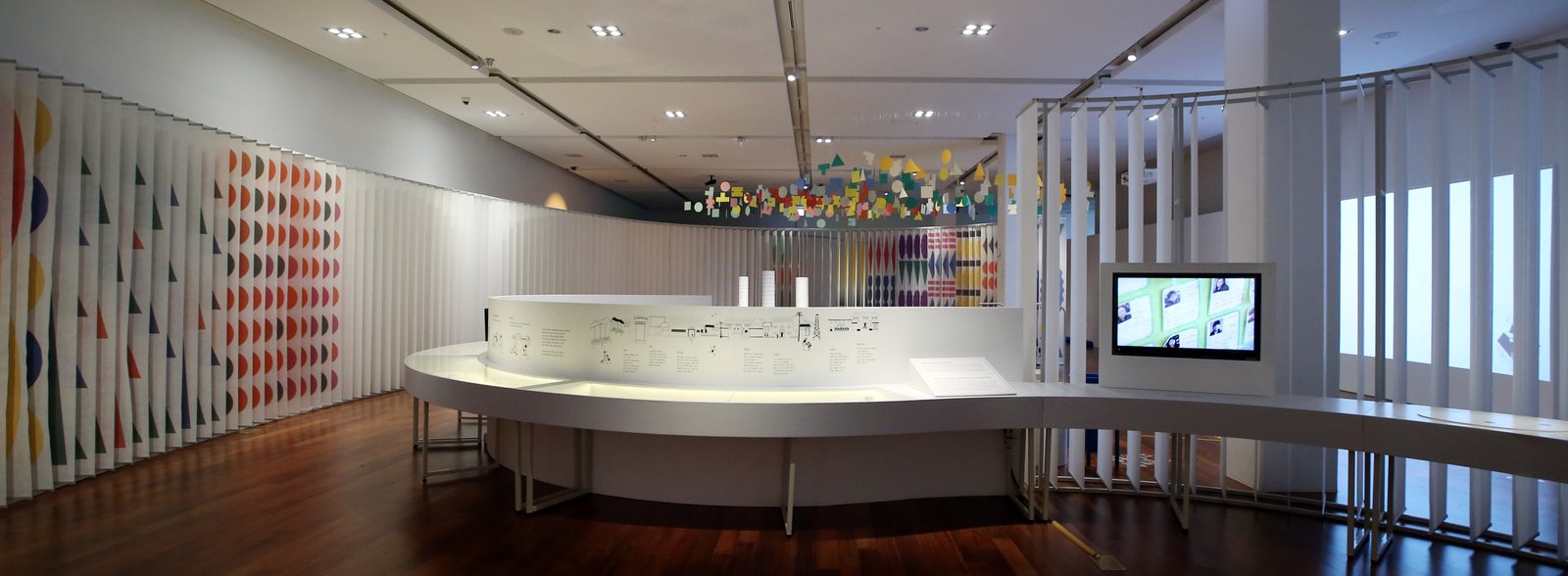
The museum’s contemporary structure provides extensive gallery space for thematic exhibitions. Its design accommodates both permanent displays and rotating presentations that trace Hangul’s evolution and contemporary applications.
Cultural significance
Hangul represents a remarkable achievement in linguistic design, created with systematic principles that make it uniquely accessible and phonetically precise. The museum examines how this writing system shaped Korean identity and communication. Educational initiatives and research activities deepen public understanding of Hangul’s role in Korean culture and beyond.
Key facts
- Country: South Korea
- City: Seoul (Yongsan District)
- Established: 2014
- Area: 11,322 square metres (121,870 sq ft)
- Coordinates: 37.521174, 126.980938
Practical information & getting there
Located in Yongsan District near the National Museum of Korea, the museum is accessible by public transport in central Seoul. Consult the museum’s official channels for current hours, admission details, and exhibition schedules before your visit.
Sources & resources
Find it on the map
See this place and what’s around it →📷 Become a Cultural Heritage Online photographer
Share your photos of places: they stay published under your name as the author. The more they're seen, the more you get noticed — and soon a contest will reward the most appreciated photos.
Log in or sign up free to add a photoIs this page about you?
This page is read by travellers and heritage enthusiasts who find it on Google. Tell us how you are connected to this place and we will take it from there.