
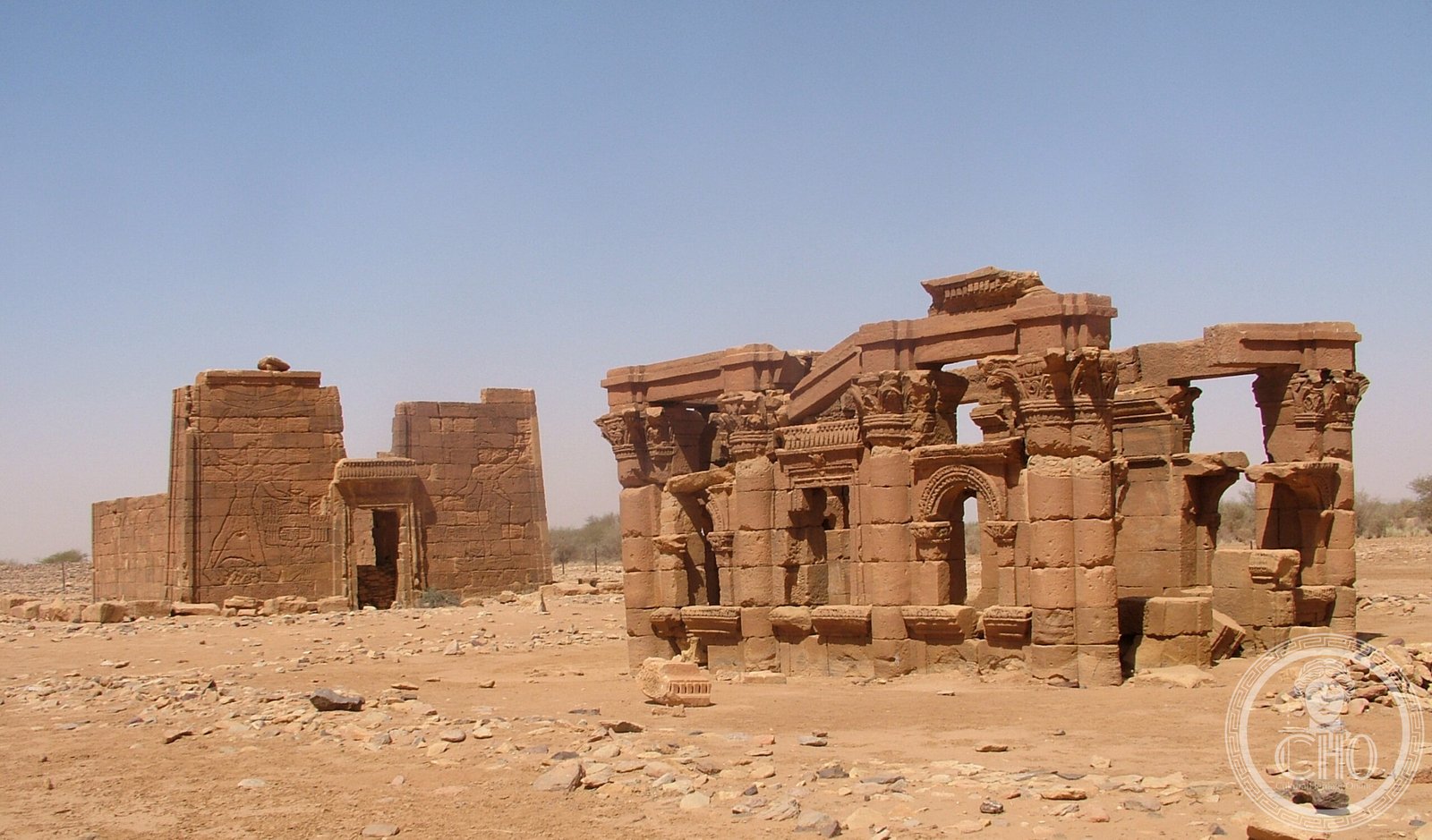
A ruined city of the Kushite Kingdom of Meroë, Naqa stands as one of Sudan’s largest archaeological sites, featuring temples devoted to Amun and Apedemak that testify to its former importance as a commercial and religious center.
At a glance
Naqa lies approximately 170 kilometers northeast of Khartoum, positioned strategically near the Wadi Awateib in Sudan’s Butana plateau region. Though situated 50 kilometers east of the Nile River, the site was only a short camel or donkey journey from the river, making it an ideal trading station and caravan stop along the trade routes to the east.
History
Naqa served as one of the principal centers of the Kingdom of Meroë, a powerful Kushite state that functioned as a cultural and commercial bridge between the Mediterranean world and sub-Saharan Africa. The city’s location on vital trade routes—positioned where smaller wadis converge with the Wadi Awateib before its junction with the Nile at Wad ban Naqa—underscores its strategic significance in ancient commerce and regional networks.
What you see
The site preserves two notable temples in remarkably recognizable form. One temple was dedicated to Amun, the chief deity of the Kushite religious pantheon. A second temple honors Apedemak, the Kushite lion god, and stands near a Roman kiosk, reflecting the cultural exchanges between Meroë and the Roman world. These structures represent the architectural and religious sophistication of the ancient city.
Cultural significance
Naqa ranks among Sudan’s most important archaeological sites, indicating a substantial urban center of considerable influence. Together with Meroë and Musawwarat es-Sufra, it forms part of the collectively recognized Island of Meroe—a region of exceptional historical importance in African and ancient Mediterranean history.
Key facts
- Country: Sudan
- Coordinates: 16.27°N, 33.28°E
- UNESCO World Heritage Site (inscribed 2011, as part of the Island of Meroe)
- Distance from Khartoum: approximately 170 km northeast
- Distance from Nile River: approximately 50 km east
Practical information & getting there
The site remains largely unexcavated, presenting significant research opportunities. Access involves travel from Khartoum across Sudan’s Butana region. You should arrange transportation and, if possible, local guides familiar with the remote location. Current conditions and security should be verified before planning a visit.
Sources & resources
Find it on the map
See this place and what’s around it →📷 Become a Cultural Heritage Online photographer
Share your photos of places: they stay published under your name as the author. The more they're seen, the more you get noticed — and soon a contest will reward the most appreciated photos.
Log in or sign up free to add a photo