
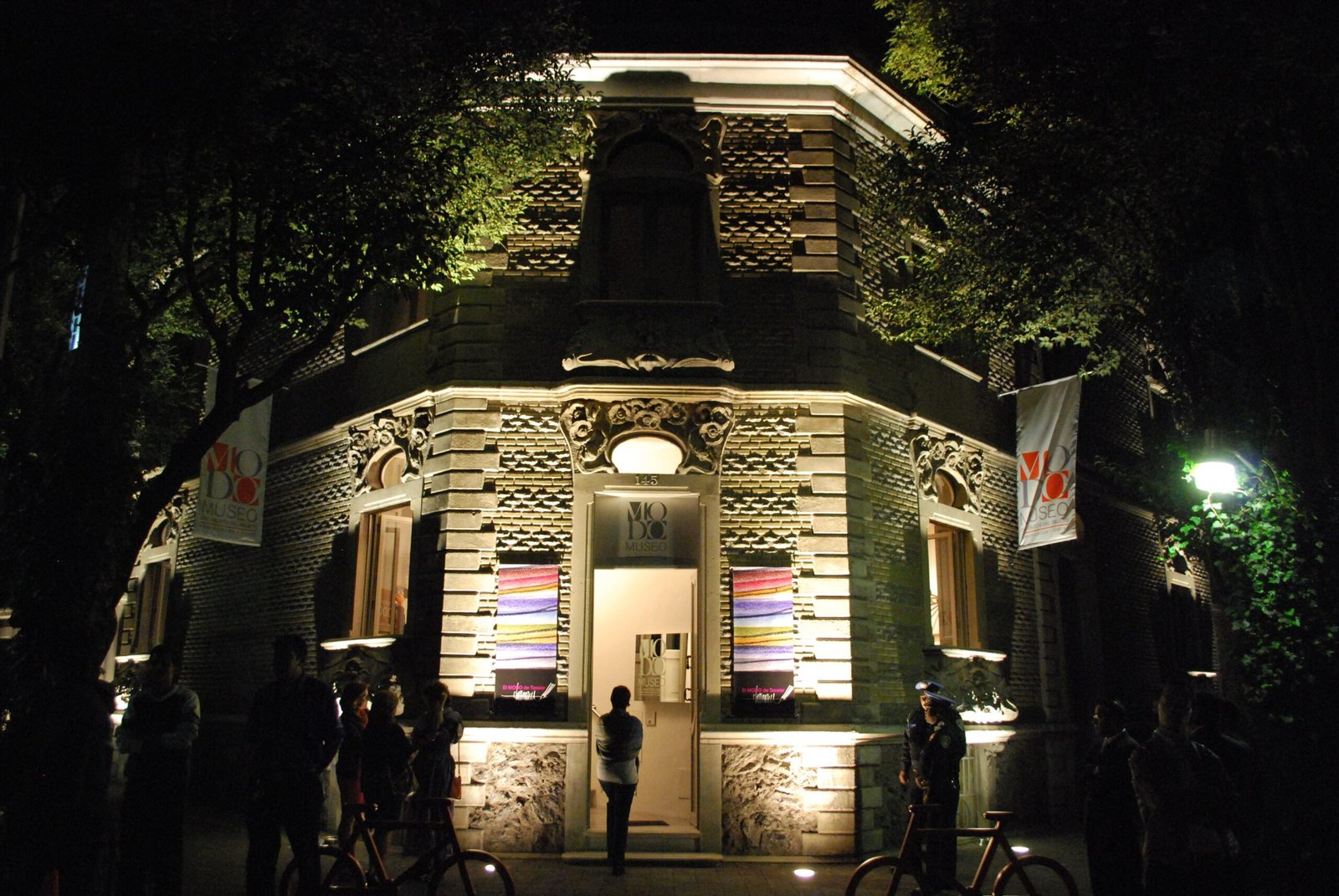
Mexico’s first museum dedicated to design and communications, preserving over three decades of commercial and cultural artifacts in a sprawling collection of 30,000 objects spanning two centuries.
At a glance
The Museo del Objeto del Objeto (MODO) charts the visual language of everyday life. Its permanent collection traces design and communications history through packaging, advertising, graphic arts, and common devices—material culture that shapes how we understand ourselves and our time.
History
Collector Bruno Newman assembled this museum’s foundation over more than 40 years, amassing commercial and cultural objects dating back to 1810. The museum opened in 2010, establishing Mexico’s first institutional focus on design history and communications as subjects worthy of preservation and scholarly study.
What you see
The museum does not occupy a historic monument but functions as a contemporary repository for design history. Visitors encounter objects arranged to illuminate how commercial packaging, advertising materials, and everyday devices reflect evolving aesthetic principles and cultural values across two centuries.
Cultural significance
MODO fills a gap in Mexican museum practice by treating design and communications as primary subjects of cultural inquiry. The collection demonstrates how commercial objects embody the creativity, technical innovation, and visual thinking of their eras—forms of knowledge often overlooked in traditional art-historical frameworks.
Key facts
- Location: Cuauhtémoc, Mexico City, Mexico
- Opened: 2010
- Collection size: Over 30,000 items
- Temporal scope: 1810 to present
- Coordinates: 19.42027, −99.15914
Practical information & getting there
The museum is located in the Cuauhtémoc borough of Mexico City. For current hours, admission fees, and visitor guidelines, consult the museum’s official resources or local tourism information before planning your visit.
Sources & resources
Find it on the map
See this place and what’s around it →📷 Become a Cultural Heritage Online photographer
Share your photos of places: they stay published under your name as the author. The more they're seen, the more you get noticed — and soon a contest will reward the most appreciated photos.
Log in or sign up free to add a photoIs this page about you?
This page is read by travellers and heritage enthusiasts who find it on Google. Tell us how you are connected to this place and we will take it from there.