
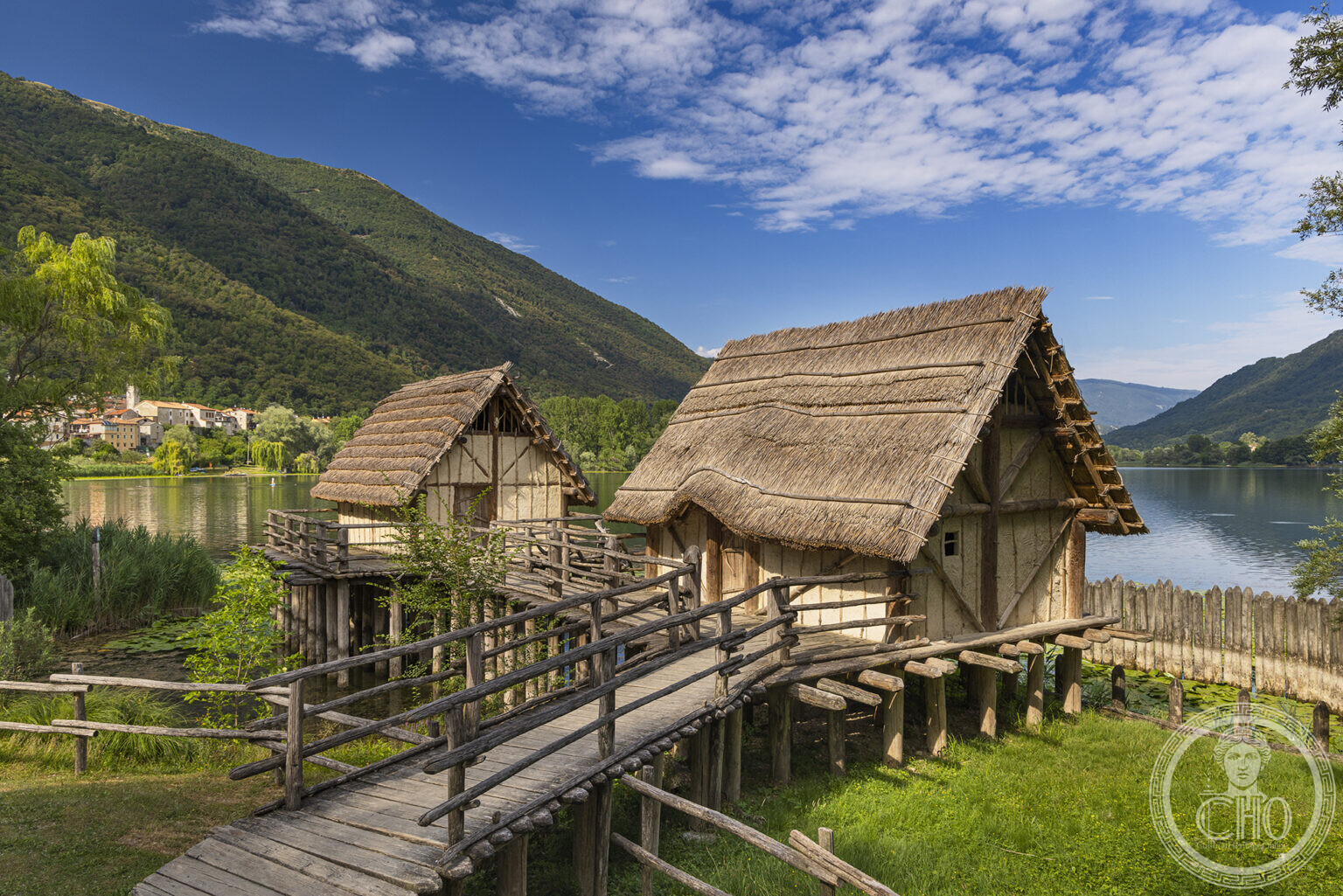
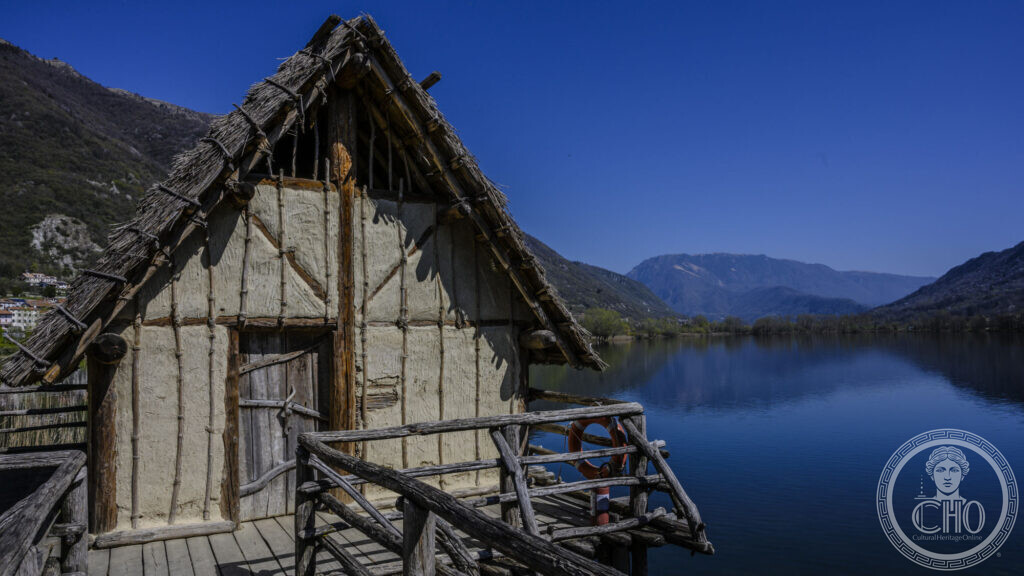
Parco Archeologico Didattico del Livelet is an archaeological open-air museum located on the shores of Lago lake, in the Province of Treviso, Veneto Region. The aim of the museum is to showcase the daily life of prehistoric lake-dwelling communities from the Neolithic to the Bronze Age (6,000–3,500 years ago).
At a glance
- Type
- Open-air archaeological and ethnographic museum
- Period
- Neolithic, Copper Age and Bronze Age lake-dwelling cultures (c. 6,000–3,500 years ago)
- Style
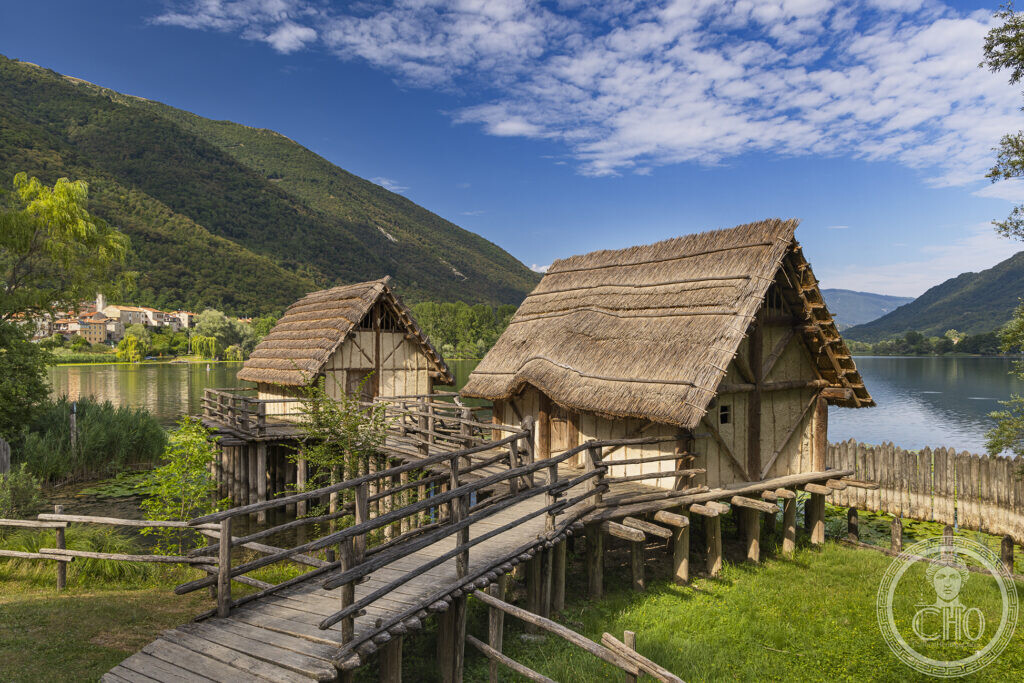
- Three reconstructed pile-dwellings (palafitte) on a lake shore
- Location
- Revine Lago, Province of Treviso, Veneto Region, Italy
- Coordinates
- 45.9829° N, 12.2115° E
Overview
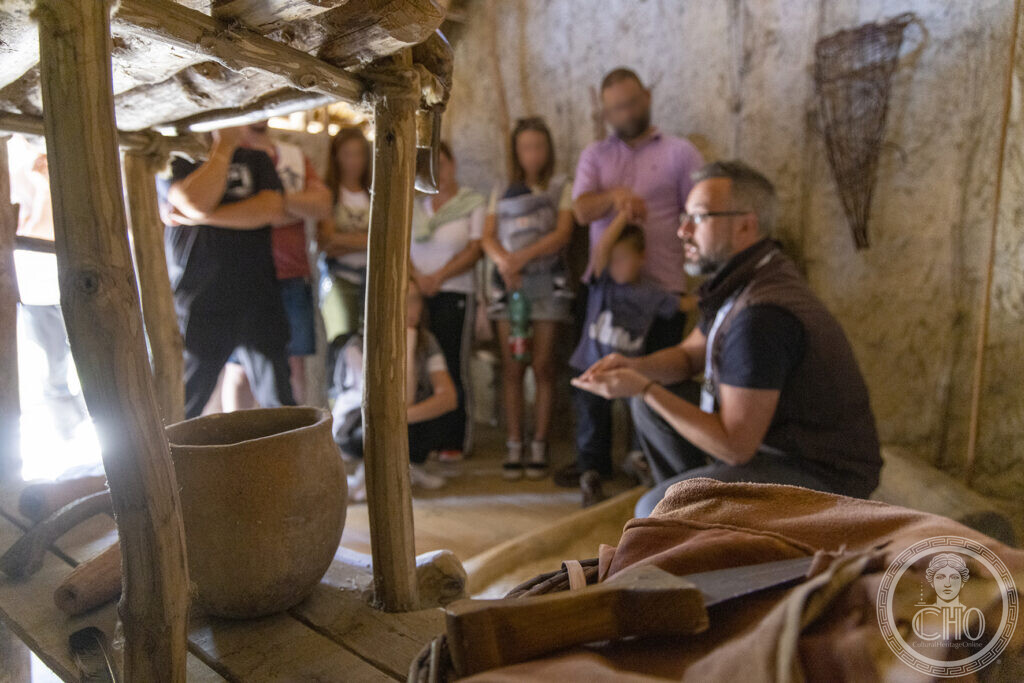
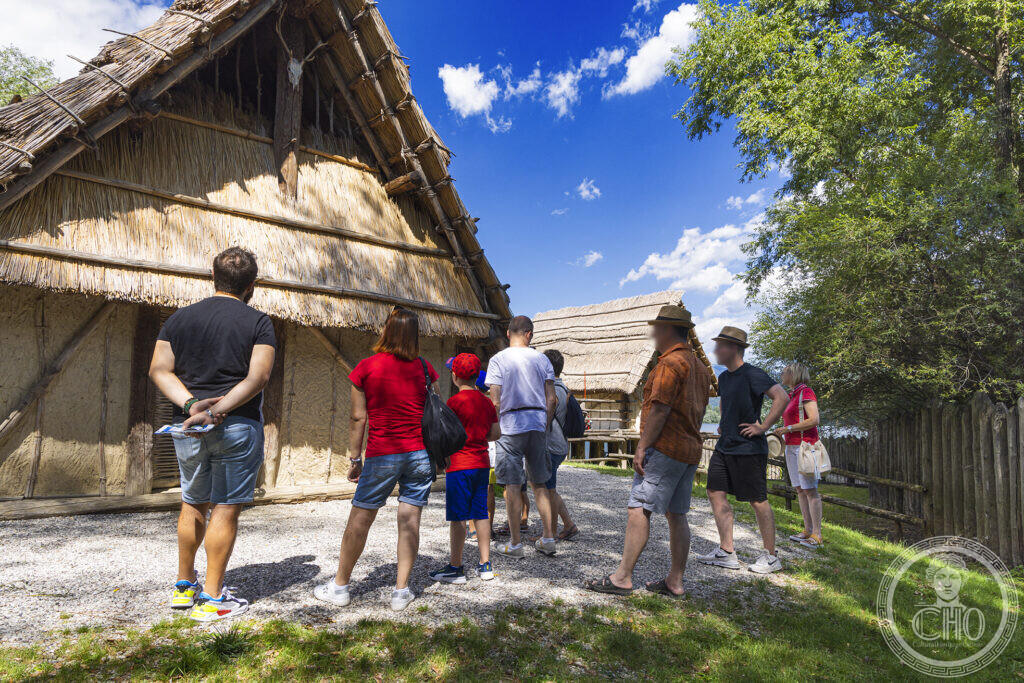
The heart of the museum consists of three full-scale replicas of pile-dwellings, built using the information collected during the excavations of the nearby archaeological site of Colmaggiore di Tarzo and other Prehistoric Pile Dwellings sites around the Alps. The museum is open to tourists and families every Sunday and holiday from March to November. During the week, from February to November, it is open by reservation for groups and schools. The didactic activities include guided tours, demonstrations of ancient technology, living history, and workshops. The site is part of the broader cultural landscape “Laghi della Vallata”, a protected natural area located inside the buffer zone of the UNESCO World Heritage Site “The Prosecco Hills of Conegliano and Valdobbiadene”.
Photo gallery
Practical information
- Address
- Via Carpenè, Località Lago, 31020 Revine Lago TV
- Opening hours
- Open to visitors every Sunday and holiday from March to November; on weekdays, from February to November, by reservation for groups and schools
- Admission
- See the official website for tickets; reduced rates for children and families
- Events
- Calendar of the park’s events
Getting there
Revine Lago is situated approximately 40 km north of Treviso along the SP635 road toward Vittorio Veneto. By car, take the A27 motorway toward Belluno and exit at Vittorio Veneto Nord, then follow signs toward Revine Lago. No direct rail connection reaches the lake; the nearest train station is Vittorio Veneto (Trenitalia), from which local buses or a taxi cover the remaining distance. The lakeside location is best explored on foot or by bicycle.
Sources & resources
- Parco Archeologico Didattico del Livelet — official website
- Texts provided and revised September 2026 by the park’s education coordinator.
See the place
Find it on the map
See this place and what’s around it →📷 Become a Cultural Heritage Online photographer
Share your photos of places: they stay published under your name as the author. The more they're seen, the more you get noticed — and soon a contest will reward the most appreciated photos.
Log in or sign up free to add a photo