
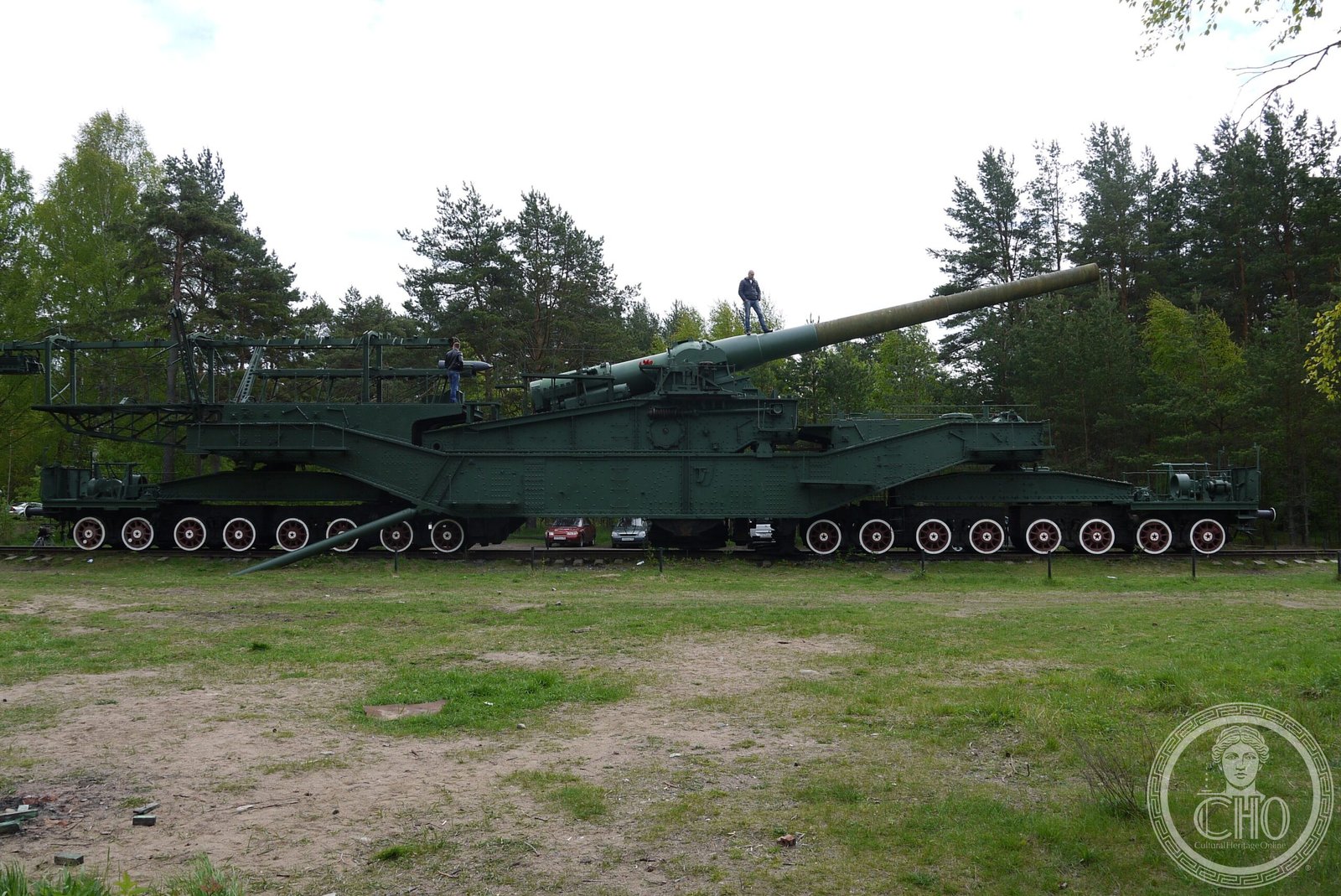
A coastal artillery fortress commanding the Gulf of Finland, positioned to defend Russia’s Baltic Fleet headquarters at Kronstadt.
At a glance
Krasnaya Gorka—meaning “Red Hill” in Russian—stands on the southern shore of the Gulf of Finland in Leningrad Oblast. Built as a coastal artillery fortress, it guards the waters opposite Kotlin Island, where Russia’s strategic Baltic Fleet base remains anchored at Kronstadt.
History
Historical information about the fortress’s construction and military campaigns is not detailed in available sources. Its strategic position opposite Kronstadt underscores its importance to Russia’s Baltic naval defenses.
What you see
Krasnaya Gorka is designed as a coastal artillery fortress, built to mount guns and defend against approaching naval threats. Its placement on the southern Gulf shore maximizes command of the waterway toward Kronstadt.
Cultural significance
The fortress represents Russia’s long military engagement with the Baltic—a strategic waterway contested across centuries. It stands as a monument to 19th and 20th century naval engineering and geopolitical ambition in Northern Europe.
Key facts
- Location: Lomonosovsky District, Leningrad Oblast, Russia
- Coordinates: 59.972°N, 29.333°E
- Type: Coastal artillery fortress
- Strategic position: Opposite Kotlin Island and Kronstadt naval base
Practical information & getting there
The fortress is located in Lomonosovsky District, accessible from the St. Petersburg region. Contact local tourism authorities for visiting hours and access information, as the site may have restricted areas due to its military significance.
Sources & resources
- Krasnaya Gorka fort – Wikipedia
- Cultural Heritage Online
Find it on the map
See this place and what’s around it →📷 Become a Cultural Heritage Online photographer
Share your photos of places: they stay published under your name as the author. The more they're seen, the more you get noticed — and soon a contest will reward the most appreciated photos.
Log in or sign up free to add a photoIs this page about you?
This page is read by travellers and heritage enthusiasts who find it on Google. Tell us how you are connected to this place and we will take it from there.