
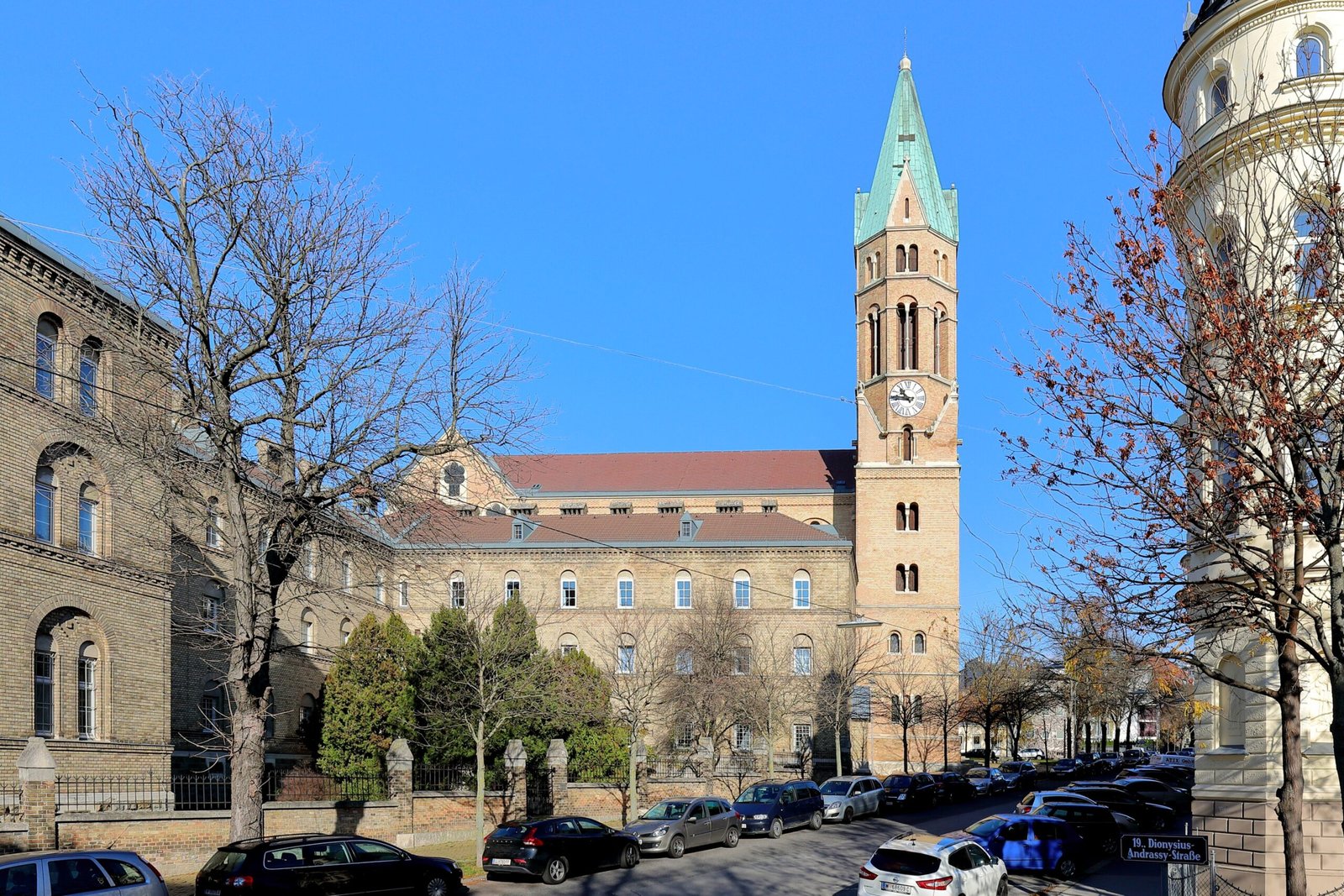
A monastery of the Discalced Carmelites in Vienna’s Unterdöbling district, representing the reformed branch of the Carmelite Order established by Spanish saints Teresa of Ávila and John of the Cross.
At a glance
The Döbling Carmelite Monastery belongs to the Teresian Carmelites, a reformed monastic community within the larger Carmelite tradition. The monastery occupies a significant place in Vienna’s religious landscape, situated in the leafy 19th district alongside a Roman Catholic church.
History
The Teresian Carmelites emerged from the 16th-century reform of the Carmelite Order initiated by two Spanish saints: Teresa of Ávila and John of the Cross. This reform movement created the Discalced Carmelites (Ordo Carmelitarum Discalceatorum), a stricter observance emphasizing contemplative life and spiritual discipline. The Döbling monastery represents this reformed tradition in the Austrian capital.
What you see
The monastery stands adjacent to a Roman Catholic church in the Unterdöbling neighbourhood. The complex reflects the austere aesthetic characteristic of reformed Carmelite architecture.
Cultural significance
As a Discalced Carmelite community, the monastery embodies the spiritual renewal that reshaped Catholic monastic practice from the 16th century onward. The presence of such communities across Europe, including Vienna, demonstrates the far-reaching influence of Teresa of Ávila and John of the Cross’s vision of contemplative reform.
Key facts
- Country: Austria
- City: Döbling (19th district of Vienna)
- Affiliation: Discalced Carmelites (Teresian Carmelites)
- Coordinates: 48.2475, 16.3497
Practical information & getting there
The monastery is located in Unterdöbling in Vienna’s 19th district. Visitors should contact ahead regarding access, as active monastic communities typically maintain restricted visiting hours to preserve their contemplative environment.
Sources & resources
Find it on the map
See this place and what’s around it →📷 Become a Cultural Heritage Online photographer
Share your photos of places: they stay published under your name as the author. The more they're seen, the more you get noticed — and soon a contest will reward the most appreciated photos.
Log in or sign up free to add a photoIs this page about you?
This page is read by travellers and heritage enthusiasts who find it on Google. Tell us how you are connected to this place and we will take it from there.