
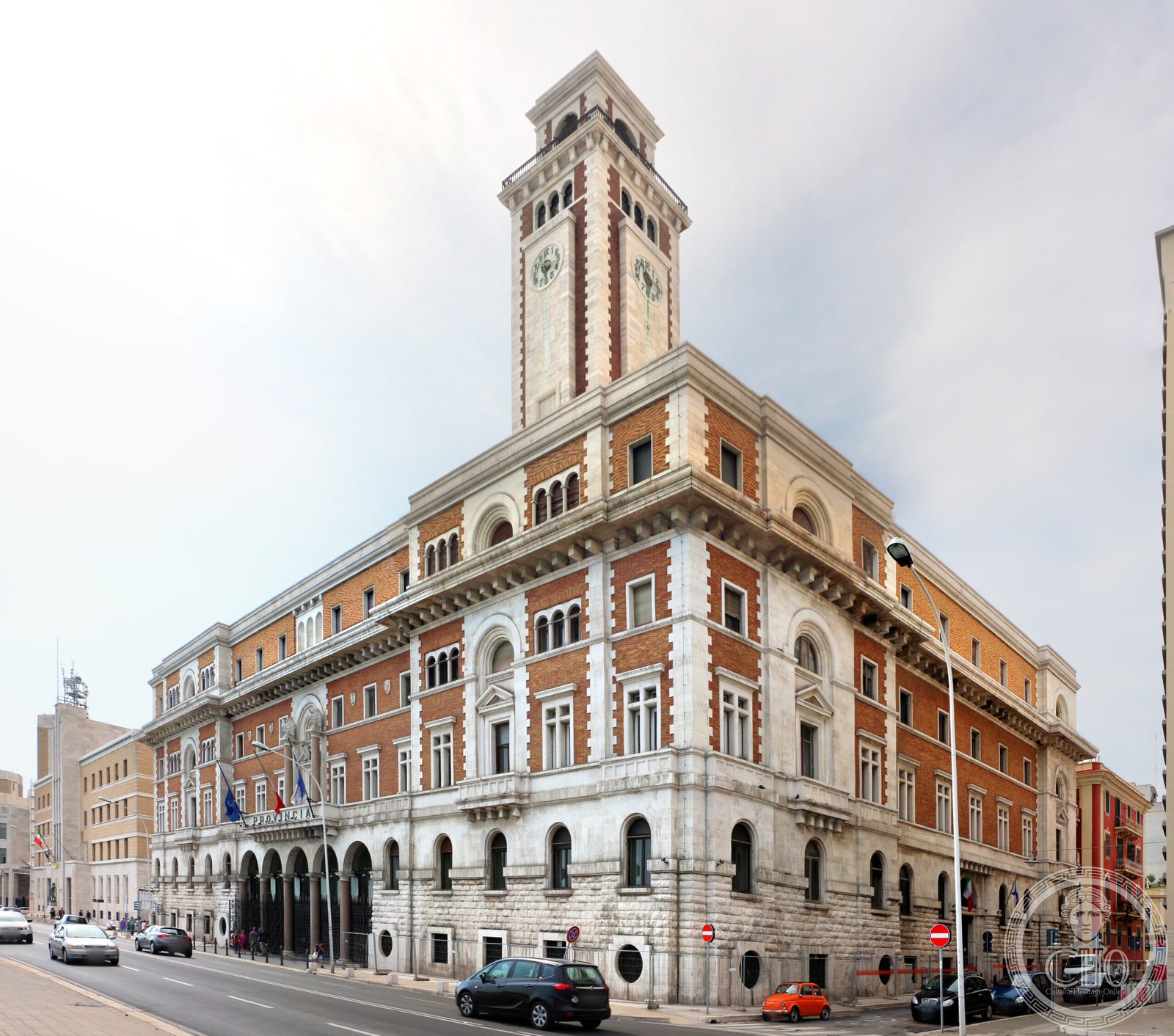
A major repository of Apulian and Italian painting from the medieval period to the twentieth century, assembled through convent collections, acquisitions, and significant private donations.
At a glance
Bari’s Pinacoteca documents over nine centuries of regional and national artistic production. The gallery houses medieval sculptures and icons, Venetian Renaissance works, Neapolitan paintings of the sixteenth to eighteenth centuries, and an exceptional nucleus of nineteenth-century Italian art, including works by the Macchiaioli movement.
History
The gallery was officially founded on July 12, 1928, drawing on paintings previously housed in the Pinacoteca annexed to the Provincial Archaeological Museum (established 1875). Its core came from artworks transferred following suppression of convents in the second half of the nineteenth century.
Two major donations transformed the collection. In 1957, the De Gemmis donation brought a significant nucleus of Apulian majolica from the seventeenth and eighteenth centuries. A year later, the Caleno nativity scene—comprising approximately 500 pieces spanning the thirteenth to twentieth centuries—expanded the holdings substantially.
In 1985, engineer Luigi Grieco bequeathed fifty Italian paintings from the nineteenth and early twentieth centuries, emphasizing the Macchiaioli movement. The 2000 loan agreement with Banco di Napoli added twenty-three further works, ranging from the fifteenth century onward.
What you see
The collection is organized chronologically and thematically. Medieval holdings include eleventh- to fifteenth-century sculptures and twelfth- to fourteenth-century Apulian icons. Venetian painting is well represented by works of the Vivarini brothers, Giovanni Bellini, Paolo Veronese, Jacopo Tintoretto, and Paris Bordon.
Apulian painting of the fifteenth and sixteenth centuries includes works by Tuccio d’Andria, Constantine of Monopoli, and Andrea Bordone. The Neapolitan school (sixteenth to eighteenth centuries) features paintings by Francesco Solimena, Luca Giordano, and Marco Pino, among others. A dedicated section preserves works by Corrado Giaquinto himself.
The Grieco donation showcases twenty-four Macchiaioli paintings, including Fattori’s Return of the cavalry (1888) and works by Lega, Abbati, and Signorini. Later nineteenth-century and twentieth-century works encompass landscape painting, with examples by Giorgio Morandi, Mario Sironi, and Giorgio De Chirico. Seventeenth- and eighteenth-century Apulian majolica and the Caleno nativity scene provide decorative and devotional context.
Cultural significance
The Pinacoteca serves as essential documentation of Apulian artistic identity across more than eight centuries. Its medieval icons and sculpture reflect the region’s position between Byzantine and Latin traditions. The concentration of Venetian and Neapolitan works illustrates historical cultural exchanges, while the Macchiaioli holdings position Bari within broader Italian nineteenth-century modernism.
The Grieco collection reflects disciplined connoisseurship focused on figurative representation, offering insight into private taste-making of the early twentieth century. Recent conservation efforts—particularly the restoration of works previously attributed to Gaspar Lopez, revealed as later imitations—demonstrate ongoing scholarly engagement with questions of attribution and authenticity.
Key facts
- Founded July 12, 1928
- Address: via Spalato, 19 / Lungomare Nazario Sauro, 27 (4th floor), Bari
- Coordinates: 41.12135580127294, 16.881592869758606
- Phone: +39 080 541 2420
- Website: http://www.pinacotecabari.it
Practical information
Opening hours and admission fees are not listed in available sources; consult the official website or contact the gallery directly for current details.
Getting there
The gallery occupies the fourth floor of a building on Lungomare Nazario Sauro in central Bari. Public transport and parking information are available through local Bari tourism resources.
See the place
Sources & resources
Find it on the map
See this place and what’s around it →Historical events at this place (2)
📷 Become a Cultural Heritage Online photographer
Share your photos of places: they stay published under your name as the author. The more they're seen, the more you get noticed — and soon a contest will reward the most appreciated photos.
Log in or sign up free to add a photoDo you manage this place?
This page is read by travellers and heritage enthusiasts who find it on Google. Keep it accurate — and make it work for you. Free for non-profit heritage institutions.