
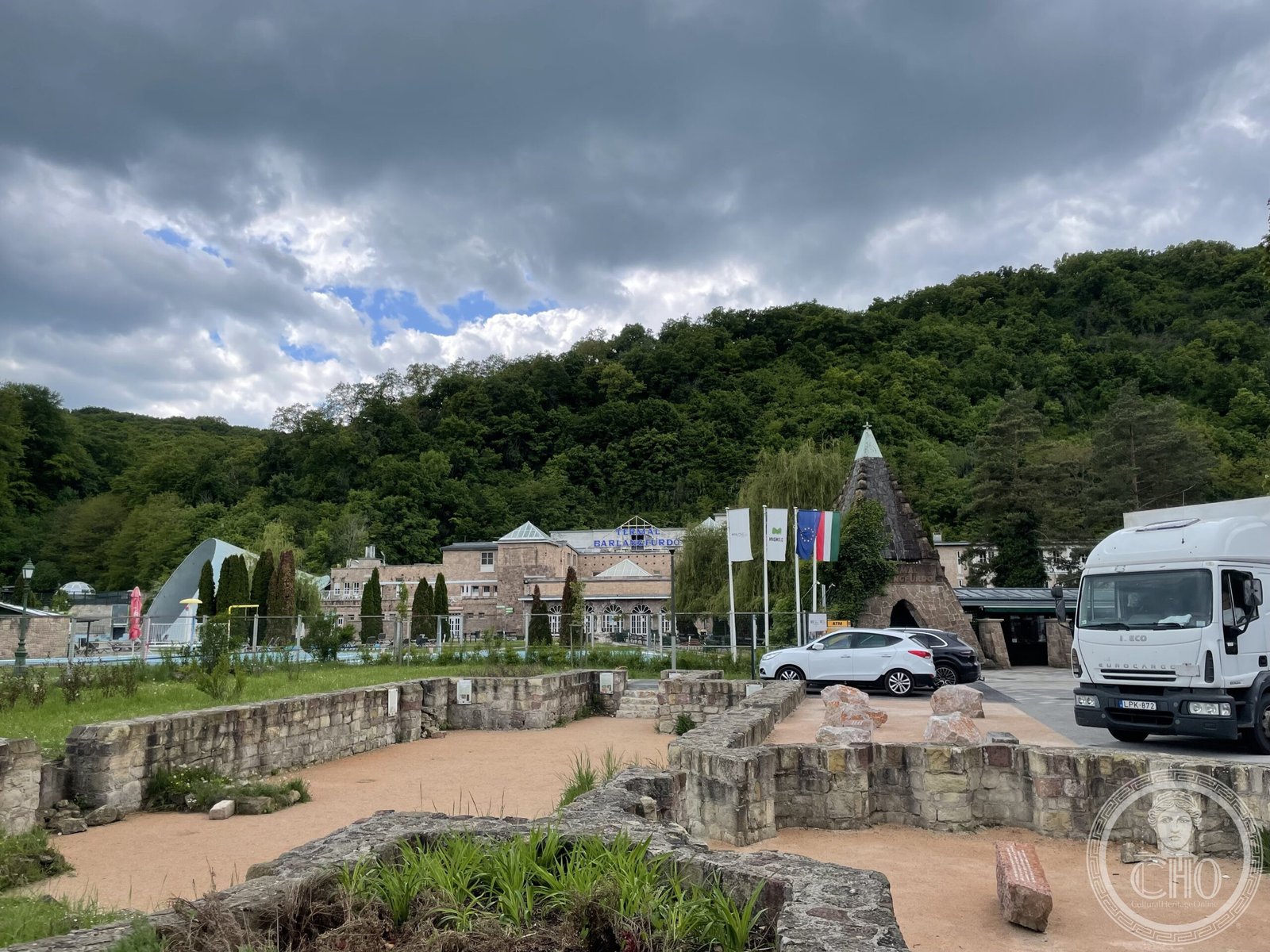
A thermal bath sheltered within a natural cave, where warm mineral waters at 30°C have attracted bathers for centuries. The cave itself opened to the public in 1959, marking the culmination of a complex history tied to religious institutions, Ottoman occupation, and Miskolc’s transformation into a modern spa destination.
At a glance
The Cave Bath offers year-round thermal bathing (closed January only) in naturally heated spring water with therapeutic properties. Its lower salt content—around 1,000 mg/liter—permits extended immersion without the limitations of saltier thermal waters. Multiple pools at varying temperatures (30°C to 36°C) accommodate different preferences and wellness needs.
History
The cave and thermal spring were known since ancient times, but Tapolca emerged as a popular bathing destination only after the 16th–17th century Ottoman occupation of Hungary. In 1711, an abbot of the Greek Orthodox abbey of Görömböly envisioned developing the site; he imported physicians from Kassa (modern Košice, Slovakia) to study the water’s medicinal properties. Three pools and an inn opened in 1723.
Popularity waned by the mid-18th century, leaving structures in ruin by the 19th. An 1837 restoration brought the first indoor pool, reserved for wealthy patrons. When Miskolc expanded rapidly in the early 20th century, the city purchased the area from the Orthodox Church, valuing both the thermal spring and its supply of fresh drinking water.
Official spa-town status came in 1934. Construction of a new bathhouse began in 1939, uncovering archaeological artifacts and a previously unknown spring at 31.5°C. The thermal bath opened in 1941; the cave bath itself on 14 May 1959. A distinctive seashell-shaped roof and outdoor pool were added in 1969. The 1980s brought warmer pools (34°C and 36°C), followed by further expansions starting in 1998.
What you see
The complex centers on a natural cave housing thermal pools. The 1969 outdoor pool predates a characteristic seashell-shaped roof structure. Interior corridors and rooms built from the 1980s onward provide access to pools at multiple temperatures, allowing visitors to choose their preferred warmth and therapeutic intensity.
Cultural significance
The Cave Bath represents Hungary’s long engagement with thermal wellness, from Ottoman-era discovery through modern spa culture. It anchors Miskolc’s tourism economy and supplies half the city’s drinking water. The site embodies layers of religious stewardship, urban development, and technological adaptation across four centuries.
Key facts
- Country: Hungary
- City: Miskolc (Miskolctapolca district)
- Coordinates: 48.0608, 20.7456
- Water temperature: 30°C (86°F), with secondary spring at 31.5°C
- Salt content: approximately 1,000 mg/liter
- Cave bath opened: 14 May 1959
Practical information & getting there
The Cave Bath is accessible year-round except January. As of September 2024, a fire caused closure, with reopening scheduled for early summer 2025. Before visiting, confirm current opening status and hours online or contact Miskolc tourism directly, as major renovations are underway.
Sources & resources
Find it on the map
See this place and what’s around it →📷 Become a Cultural Heritage Online photographer
Share your photos of places: they stay published under your name as the author. The more they're seen, the more you get noticed — and soon a contest will reward the most appreciated photos.
Log in or sign up free to add a photoIs this page about you?
This page is read by travellers and heritage enthusiasts who find it on Google. Tell us how you are connected to this place and we will take it from there.