
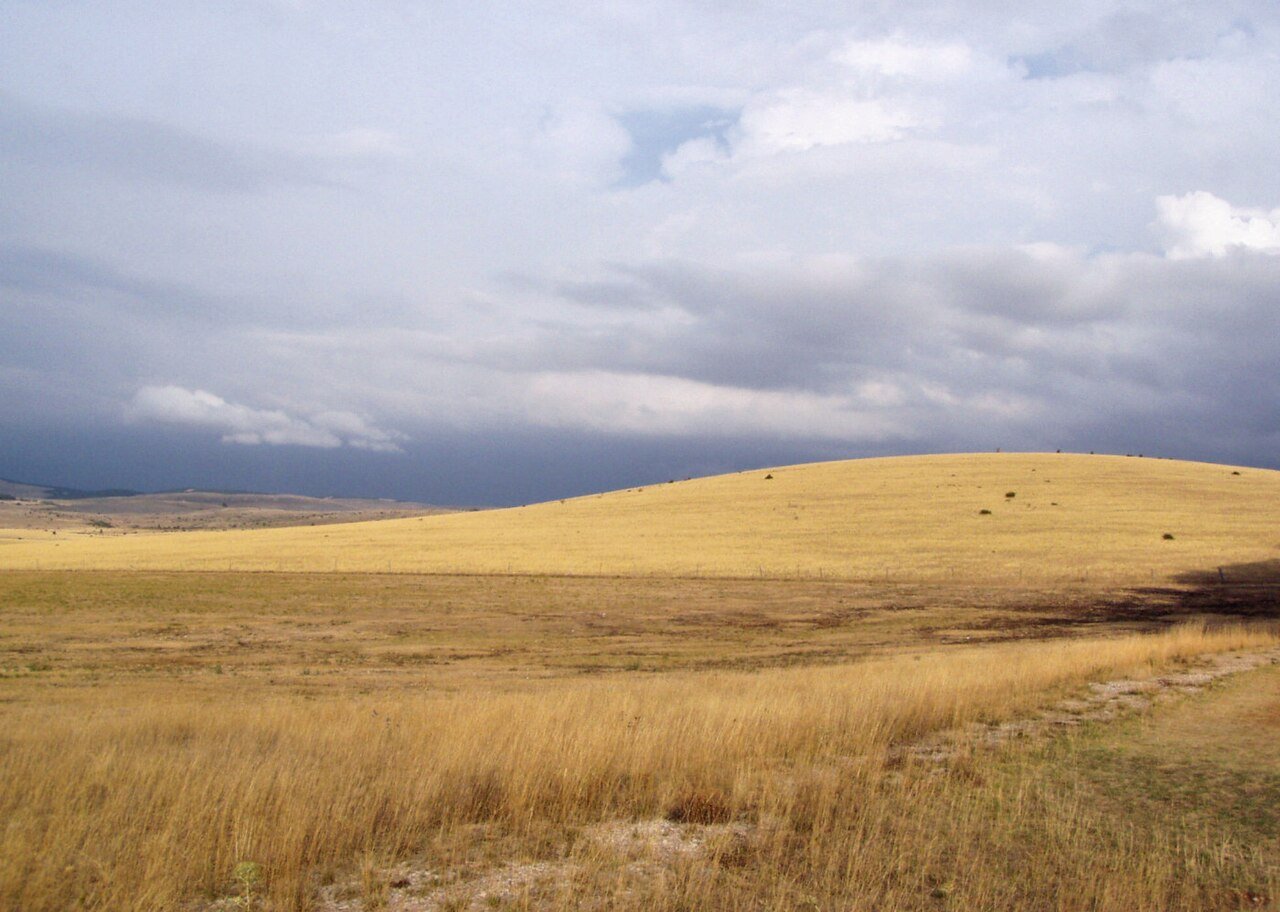
A Landscape Carved by Millennia of Transhumance
The Causses and the Cévennes form one of Europe’s largest and best-preserved Mediterranean agro-pastoral landscapes, inscribed by UNESCO in 2011 as a mixed cultural and natural site. For at least 3,000 years, herders have driven their flocks between the limestone plateaux (causses) in summer and the lowland valleys in winter — a practice called transhumance that has sculpted both the terrain and the culture of southern France’s Massif Central.
Geology: Limestone Plateaux and Granite Ridges
The site encompasses two contrasting geological worlds. The causses — Grand Caussé, Causse Noir, Causse du Larzac, and others — are flat-topped limestone plateaux riddled with caves, sinkholes (avens), and underground rivers. To the east, the granitic schist ridges of the Cévennes rise steeply, their south-facing slopes (adrets) supporting a Mediterranean microclimate distinct from the windswept plateaux above.
The Gorges: Tarn, Dourbie, and Jonte
Rivers have cut spectacular gorges through the limestone heart of the Causses. The Gorges du Tarn — up to 500 metres deep — is among the most dramatic canyon landscapes in Europe, accessible from the village of Millau. The Gorges de la Jonte and the Gorges de la Dourbie complete a trio of chasms that attract hikers, climbers, and kayakers while sheltering rare vulture populations, including the restored Griffon and Black vulture colonies.
The Drailles: Ancient Drove Roads
Transhumance left its mark on the land in the form of drailles — wide, sunken drove roads worn deep into the plateau surface by centuries of livestock movement. These ancient paths, some still in seasonal use, connect summer pastures on the causses to lowland grazing in the Hérault and Gard valleys. Drystone shepherd huts (capitelles) dot the landscape as silent witnesses to this mobile pastoral economy.
Roquefort and the Economy of the Causses
The pastoral traditions of the causses gave rise to one of France’s most celebrated cheeses. Roquefort — made exclusively from the milk of Lacaune ewes and aged in the natural limestone caves of Combalou near the village of Roquefort-sur-Soulzon — is inseparable from the transhumant sheep culture of this landscape. The cheese cellars (caves) exploit the natural circulation of cold, humid air through the rock fissures (fleurines) to ripen the blue-veined rounds.
The Cévennes: Protestant Memory and Camisard Heritage
The Cévennes carried a distinct religious and political history. In the early 18th century, Protestant Huguenots known as the Camisards waged a guerrilla resistance against Louis XIV’s dragonnades from these remote valleys. The landscape of hidden paths, isolated farms, and deep gorges served as sanctuary. The Musée du Désert at Mialet and the commemorative sites along the Cévennes ridge preserve this memory of conscience and endurance.
Biodiversity: A Mediterranean Crossroads
The site shelters exceptional biodiversity at the climatic crossroads of Atlantic, Mediterranean, and continental influences. The Cévennes uplands host significant populations of otter, beaver, and eagle owl. The limestone grasslands of the causses — maintained by grazing — contain rare orchids, gentians, and the Apollo butterfly. The Cévennes National Park, created in 1970, covers much of the inscribed area and is France’s only inhabited national park, with over 600 permanent residents within its core zone.
Visiting: Millau, the GR70, and the Viaduct
The regional hub of Millau sits at the confluence of the Tarn and Dourbie gorges; the Millau Viaduct — the world’s tallest cable-stayed bridge (343m at its highest pier) — is itself a contemporary landmark crossing the valley. Walkers can follow the GR70 (Stevenson Trail), tracing the route that Scottish author Robert Louis Stevenson walked in 1878 with his donkey Modestine, from Le Puy-en-Velay to Saint-Jean-du-Gard — a 12-day traverse through the heart of this UNESCO landscape.
Find it on the map
See this place and what’s around it →📷 Become a Cultural Heritage Online photographer
Share your photos of places: they stay published under your name as the author. The more they're seen, the more you get noticed — and soon a contest will reward the most appreciated photos.
Log in or sign up free to add a photo